
Are you feeling stuck because your website isn’t running as smoothly as it should? Or perhaps you’re experiencing some technical glitches that leave you scratching your head?
Don’t worry, you’re not alone. Many website owners find themselves in this predicament, and there’s a simple fix that often goes overlooked: restarting your web hosting cPanel server. Imagine hitting the refresh button on your browser, but for your entire hosting environment.
It sounds technical, but it’s a straightforward process that can breathe new life into your website’s performance. By restarting your server, you can resolve many common issues, improve speed, and ensure your site is running at its best. In this guide, we’ll walk you through the steps of restarting your cPanel server, breaking it down into easy-to-follow instructions. You don’t need to be a tech guru to follow along. By the end of this article, you’ll feel empowered to take control of your web hosting and get your site back on track. Let’s dive in and get your website running smoothly again!
Credit: brianshim.com
Prerequisites For Server Restart
Always backup your data before restarting the server. Use the Cpanel to create a backup. Save important files to your computer or cloud. Check that all files are copied correctly. Keep backups in a safe place. This helps if something goes wrong.
Verify updates are installed before restarting. Go to the update section in Cpanel. Install any pending updates. Updates keep the server safe and running well. Restarting without updates can cause problems. Always update first to avoid issues.
Accessing The Cpanel
First, you need your username and password. These are your login credentials. Keep them safe. Without these, you can’t access Cpanel. Type them carefully. Mistakes can lock you out. If you forget, contact your hosting provider. They can help. Always use a strong password. This keeps your account safe.
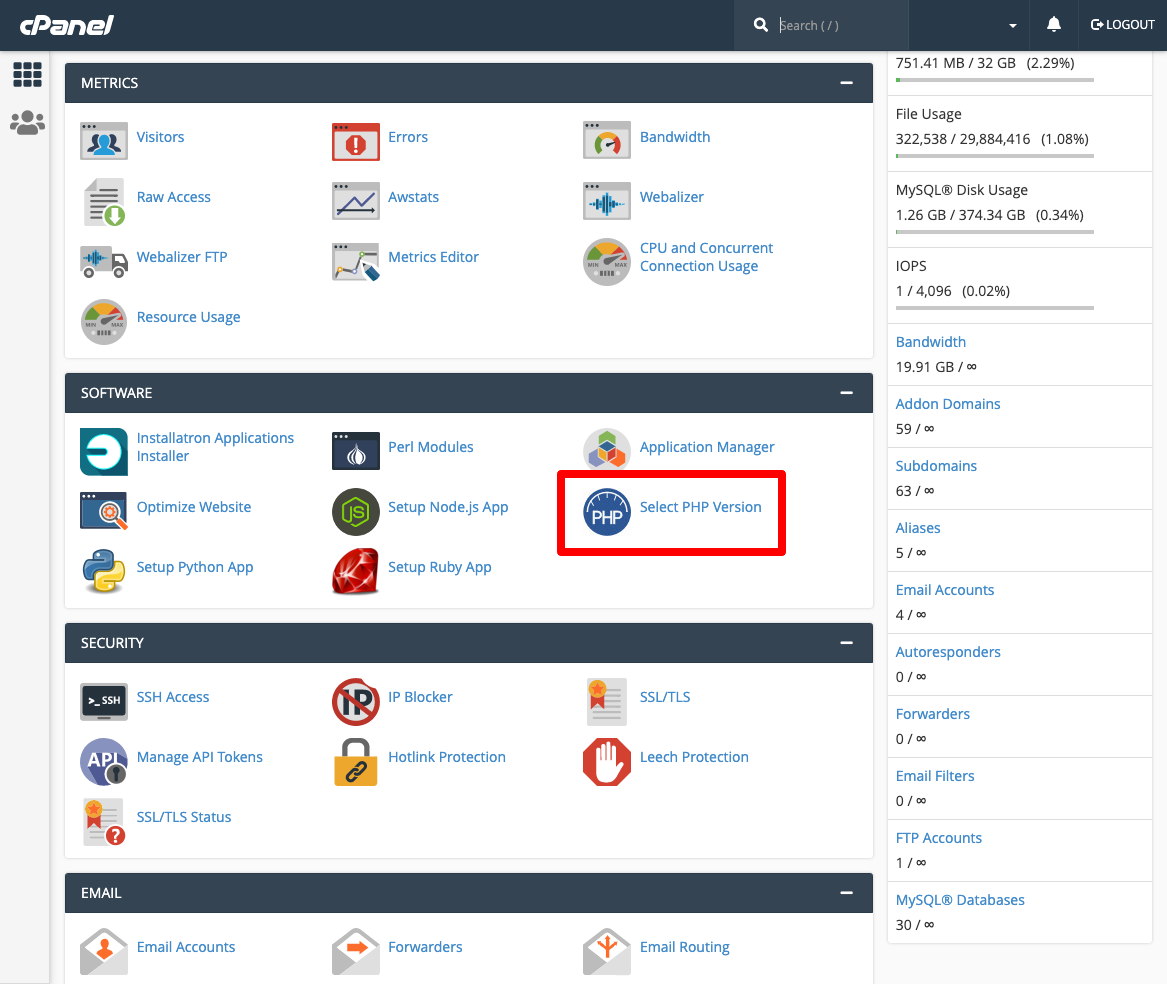
The dashboard is full of tools. Each tool has a name. Read the names. Find the one you need. Click it to open. Simple icons help you. They show what each tool does. Explore slowly. Take your time. You will soon learn where everything is. Practice makes it easier. Always log out when done. This keeps your account secure.
Identifying Server Issues
Servers can have many issues. Slow performance is common. Sometimes, the website does not load. Other times, the email stops working. These problems can make users unhappy. Security breaches also happen. They can cause data loss. It’s important to find problems fast.
Check the server status first. Is it online? Look for error messages. They give clues. Restart the server if needed. This can solve many problems. Update software regularly. It keeps things running smoothly. Contact support if the problem is big. They can help.

Credit: www.interserver.net
Restarting The Server
A soft restart is gentle on the server. It stops services but keeps the server running. Most times, it fixes small issues. This restart is quick. Only a few seconds are needed. Users might not notice the change. No data is lost during a soft restart.
A hard restart is more intense. It turns the server off and on again. Use this when the server is frozen. It can solve big problems. Data might be lost if not saved. Users will notice downtime. This restart takes a bit longer. It is like pressing the reset button.
Post-restart Checks
Check if the server is up and running smoothly. Use control panel tools to see server status. Make sure there are no error messages. Server health is very important. It ensures websites work well.
Visit your website to see if it loads correctly. Test links to ensure they work. Ensure images and videos appear properly. If something breaks, fix it quickly. A smooth website keeps users happy.
Preventive Measures
Regular maintenance keeps your server running smoothly. Check for updates weekly. This includes software and security updates. Back up your data often. Backups protect against data loss. Clean up unnecessary files. This frees up space. Always monitor server performance. Early issues are easier to fix.
Use monitoring tools to watch your server. They help spot problems fast. Tools like Nagios and Zabbix are useful. They show server health and performance. Alerts warn you of issues. This helps prevent downtime. Monitoring tools are like a server’s health checkup.

Credit: manage.accuwebhosting.com
Frequently Asked Questions
How To Restart Webserver Cpanel?
To restart the webserver in cPanel, log into WHM, navigate to “Restart Services,” and select “HTTP Server (Apache). ” Confirm the action to restart. This process ensures your web server operates smoothly, optimizing website performance efficiently.
How Do I Restart My Website Hosting?
Log in to your hosting control panel. Locate the “Restart” or “Reboot” option. Click to restart your hosting server. Wait for the process to complete. Contact your hosting provider if you encounter issues.
How To Reset A Cpanel Server?
Access WHM, navigate to “System Reboot,” and click “Graceful Server Reboot. ” Ensure all processes are saved.
How To Restart A Localhost Server?
To restart a localhost server, first stop the server using the command line or interface. Then, start the server again using the appropriate command for your server type. Ensure all necessary services are running. Check server status to confirm successful restart.
Conclusion
Restarting your web hosting cPanel server can be simple. Follow the steps carefully. Ensure all data is backed up. Check for any server errors before rebooting. This prevents potential issues. Regular maintenance keeps your server running smoothly. A restarted server can improve performance.
Remember to monitor server activity post-restart. It helps catch any problems early. Keep your hosting environment secure and efficient. Proper server management is key to success. Now, you’re ready to manage your server with confidence. Practice regularly for best results.
A well-maintained server ensures a seamless online experience.


