
Are you thinking about transferring your WordPress website to a new web host but feeling overwhelmed by the process? You’re not alone.
Many website owners find themselves in this predicament, eager to improve their site’s performance, security, or cost-effectiveness but unsure of how to proceed without risking downtime or data loss. The good news is that transferring your WordPress web hosting doesn’t have to be a daunting task.
In this guide, you’ll discover step-by-step instructions that simplify the entire process, ensuring a smooth transition for your site. You’ll learn the secrets to safeguarding your data, minimizing downtime, and boosting your site’s performance—all while gaining the confidence to handle future hosting changes like a pro. So, if you’re ready to take control of your website’s destiny and unlock its full potential, keep reading to find out how easy it can be to transfer your web hosting.
Credit: www.isitwp.com
Preparing For The Transfer
Transferring your WordPress web hosting requires careful preparation. Back up your website files and database first. Then, choose a reliable new host and update your domain settings. This ensures a smooth transition with minimal downtime.
Backup Your Website
It’s vital to keep a backup. Save all your files and data. Use plugins for easy backups. Store them on your computer. Also, cloud storage is a good option. Backups help if things go wrong. Regular backups are smart.
Check Current Hosting Details
Know your hosting details. Find your server’s IP address. Check your login info. Know the database settings. Write them down. Make sure all details are correct. You need them for the transfer. Keep them safe.
Credit: www.elegantthemes.com
Choosing A New Hosting Provider
Finding the right host is important. Start by comparing hosting plans. Look at the cost and storage space. Check if they offer unlimited bandwidth. Some plans include free SSL certificates. This keeps your site safe. Also, compare prices. Choose a plan that fits your budget.
Good support is helpful. Check if they offer 24/7 customer service. Some providers have live chat. Others provide support tickets. Also, see if they have a knowledge base. It helps solve problems yourself. Look for extra features. Some hosts offer website builders. Others give free domain names. Choose what suits your needs best.
Migrating WordPress Site
Exporting the database is a key step. Access your hosting control panel. Look for phpMyAdmin. Click it. Once inside, find your WordPress database. Select it. Click on the Export tab. Choose the Quick Export method. It is easy and fast. Save the file on your computer. This file is crucial. Do not lose it.
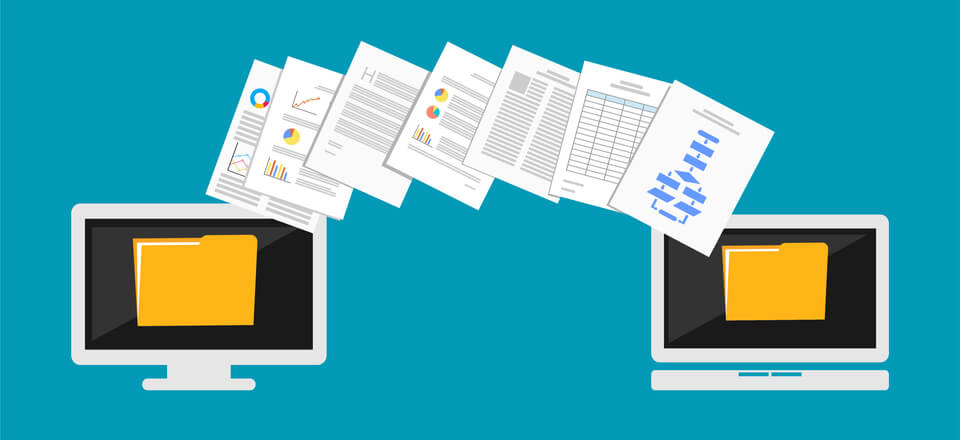
FTP stands for File Transfer Protocol. Use an FTP client like FileZilla. It helps move files. Connect to your old host with FTP. Enter your credentials. Find your WordPress files. Select all files. Then, download them to your computer. This includes themes, plugins, and uploads. Make sure every file is safe. Now, connect to your new host. Upload all files there. This step needs patience. Be careful with each file.
Configuring New Server
Begin by exporting the database from your old server. Use tools like phpMyAdmin. Save the file on your computer. On the new server, open phpMyAdmin. Click on the Import tab. Choose the file you saved. Click Go to start the import. Wait for a success message.
Find the wp-config.php file in your WordPress folder. Open it with a text editor. Update the database name, username, and password. These should match your new server details. Make sure to save changes. Upload this file to the new server. Use FTP or a similar method. This helps your site connect to the new database.
Testing And Troubleshooting
Check if the website loads. Click on each page. Ensure all links work. Test forms by submitting dummy data. Verify images and videos display correctly. Ensure text is readable. Access the website on different devices. Check for mobile and tablet views. Test in various browsers. Confirm consistent appearance. Check loading speed. Slow speed affects user experience. Fix errors if any are found.
Address broken links. Update links if needed. Resolve missing images. Check paths and upload again. Fix style issues. Adjust CSS if layout breaks. Correct text errors. Look for typos or wrong information. Resolve plugin conflicts. Disable unnecessary plugins. Ensure database connections. Check settings and credentials. Improve site speed. Optimize images and scripts. Ensure server settings are correct. Contact hosting support if needed.
Updating Domain And Dns Settings
First, log into your domain registrar account. Find the section for domain management. It may be under “My Domains” or a similar name. You need to locate the settings to update your domain. Look for options like DNS settings or Name Servers. These settings help direct your domain to the right server. It is important to change these correctly. Incorrect settings can cause your site to go down.
To modify DNS records, find the DNS section in your registrar account. You might see terms like A Record, MX Record, or CNAME. These are the building blocks of your domain’s address. Change the A Record to point to your new hosting server’s IP address. This tells the internet where your site lives now. Remember to save any changes you make.
Post-transfer Optimization
Transferring WordPress web hosting involves careful planning to ensure a smooth transition. Optimize your new server settings for speed and security. Regularly update plugins and themes to prevent issues.
Monitor Website Performance
Keep an eye on your website’s speed and uptime. Use tools like Google PageSpeed Insights. Identify issues that slow down your site. Address them quickly to maintain user satisfaction. Check your site’s loading times regularly. Fast websites keep visitors happy. Monitor server response time too. A slow server can affect site speed. Regular checks ensure your site runs smoothly. Keep your audience engaged with a fast site.
Implement Security Measures
Install security plugins to protect your site. Keep your WordPress and plugins updated. Updates fix security issues. Use strong passwords and change them often. Limit login attempts to prevent attacks. Backup your site regularly. Backups help if something goes wrong. Consider a firewall for extra protection. A secure site keeps visitors safe. Protect your data and your visitors’ data. Secure sites build trust with users.

Credit: m.youtube.com
Frequently Asked Questions
How Do I Transfer A WordPress Website To A New Hosting?
Transfer a WordPress site by backing up files and databases. Upload them to the new host. Update DNS settings to point to the new server. Ensure all links and configurations work correctly. Use plugins like Duplicator for simplified migration.
How Do I Transfer A WordPress Website To Another Owner?
Transfer a WordPress website by changing ownership in the admin panel. Update the user’s email and password. Transfer domain registration and hosting account access. Ensure all necessary permissions are granted. Communicate with the new owner for a smooth transition.
How Do I Transfer My Web Hosting From One Company To Another?
To transfer web hosting, back up your website files and databases. Choose a new host and set up the account. Upload your files to the new server. Update your domain’s DNS settings to point to the new host. Test your website to ensure everything works smoothly.
How To Migrate A WordPress Site All-in-one Migration?
Install and activate the All-in-One WP Migration plugin. Export your site using the plugin. Download the export file. Install WordPress on the new server. Import the file using the same plugin. Ensure permalinks and settings are correct. Check everything works properly after migration.
Conclusion
Transferring your WordPress hosting might seem challenging. But it’s manageable with the right steps. Start with a full backup. This keeps your data safe. Choose a reliable new host. They ensure smooth operation. Follow the migration process carefully. This avoids errors.
Test your site once transferred. It confirms everything works well. Seek help if needed. Many hosts offer support. A successful move improves your site’s performance. It also enhances user experience. Embrace the change confidently. Your site deserves the best care.


