
Imagine you’re building your dream home. You’ve got the perfect design, the best materials, and all the furnishings in mind.
But what if you picked the wrong land to build it on? Just like choosing the right plot for your house, selecting the right web hosting provider for your website is crucial. It can determine whether your site thrives or struggles.
You might wonder, how do you know which provider is right for you? With so many options, it can feel overwhelming. But don’t worry—by the end of this article, you’ll have a clear understanding of how to choose the perfect web hosting provider tailored to your needs. Let’s make sure your digital home has a solid foundation.
Types Of Web Hosting
Shared hosting is a simple way to start. Many websites use the same server. It’s the most affordable option. But, it can be slow. Traffic spikes affect everyone. Good for small sites.
VPS offers more control and resources. It divides a server into parts. Each part acts like a small server. It’s faster and more secure than shared hosting. Great for growing sites.
This is for big sites with lots of visitors. You get a whole server to yourself. It’s very powerful and customizable. But, it’s also expensive. Best for large businesses.
Cloud hosting uses many servers. It offers scalability and flexibility. You pay for what you use. It’s reliable even if one server fails. Perfect for sites with changing traffic.
Key Features To Consider
Choosing a web host needs careful thoughts on bandwidth. This is how much data moves from your site to users. More visitors mean more bandwidth. Storage is also key. It shows how much space you have for files. Text, images, and videos need space. Check if upgrades are easy. Growth means you need more room.
Websites need to be up all the time. Uptime guarantee shows how often your site stays online. A good host promises 99.9% uptime. This means your site is rarely down. Downtime can upset users. It can also hurt trust. Make sure you check the uptime record of the provider.
Keeping your site safe is vital. Security measures protect data and stop attacks. Look for SSL certificates. They keep data safe between users and your site. Firewalls are also key. They block harmful traffic. Regular backups are a must. They help if your data is lost.
Customer support is vital if problems arise. Quick help can save time. Look for 24/7 support. It means help is always there. Check if support is by chat or call. Friendly and helpful staff make a difference. Good support can solve issues fast.
Pricing Models
Monthly plans often offer more flexibility. They are good for short-term projects. Annual plans usually come with discounts. They save money over time. Think about your budget and needs. Some people prefer to pay once a year. Others like monthly bills. Check for any commitment terms with both plans.
Hidden costs can surprise you. They may include setup fees. Also, renewal rates might be higher. Read the terms carefully. Some providers charge for extra storage. Others may charge for support. Always ask for a full cost breakdown. This helps avoid surprises later.
Free hosting can be tempting. It is best for beginners. But there are limits. Limited storage and bandwidth are common. Ads might appear on your site. Also, customer support is often lacking. Consider these factors carefully. Free is not always the best choice.

Credit: www.hostinger.com
Performance And Reliability
Fast servers are important for your website. They help pages load quickly. Slow websites can upset visitors. They may leave and not come back. Choose a host with high-speed servers. This will make your site quicker. Check reviews to see what others say about speed.
As websites grow, they need more space. Scalability means your host can handle more visitors. Good hosts offer flexible plans. Check if you can upgrade easily. This helps when your site gets bigger. Look for hosts with many options.
Backups keep your site safe. Things can go wrong sometimes. A good host will have backup plans. Ask how often they save your data. Automatic backups are best. This means you don’t have to do it yourself. Always know where your data is stored.
User Reviews And Reputation
Customer reviews are very important. They help you understand the service quality. Look for common themes. Are people happy with the support? Do they complain about downtime? This gives a clear picture. Choose providers with more positive reviews.
Awards show a provider’s excellence. Check if they have won any industry awards. These awards mean they are recognized for their good service. Providers with awards often have a good reputation. They are likely to offer better services.
Complaints highlight problems. Look for frequent issues mentioned. Are users unhappy with customer service? Do they complain about hidden fees? These red flags should not be ignored. Choose a provider with fewer complaints.
Technical Support And Service
Availability of Support is crucial. Choose a host that offers 24/7 help. Your website may need help anytime. Problems can happen day or night.
Types of Support matter too. Look for email, phone, and chat options. Each type helps differently. Email for detailed problems. Phone for urgent help. Chat for quick questions.
Response Time is key. Fast replies solve issues quickly. Slow responses can hurt your website. Check reviews for response speed. Happy customers mean quick help.
Additional Features And Tools
A good web host gives a simple control panel. This helps manage your site. Look for panels like cPanel or Plesk. These are easy to use. They help even beginners. You can add or remove features easily. Check if the control panel has backup tools. Backups keep your data safe. A clear panel makes web hosting less scary.
Some hosts offer website builders. These tools help create sites quickly. Builders like WordPress or Wix are popular. They have templates and drag-and-drop features. This makes designing fun and easy. Anyone can make a site. No coding needed. Ensure your host offers a builder. It saves time and effort.
Email hosting is important for business. A good host provides email services. You get a custom email address. It looks professional. Check if they offer spam filters. Spam can be a problem. Also, see if they allow multiple email accounts. You might need more than one. Good email hosting keeps communication smooth.
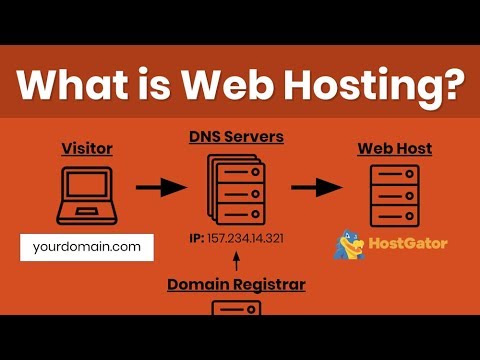
Credit: www.youtube.com
Assessing Your Needs
First, think about your website’s type. Is it a blog, an online store, or a personal site? Different types need different hosting features. Blogs might need simple hosting. Online stores need more power and security. Choose hosting that fits your website type.
Next, estimate your site’s traffic. Will many people visit each day? High traffic sites need strong hosting. Low traffic sites can use basic hosting plans. Think about peak times. Busy times need extra resources. Choose hosting that matches your traffic needs.
Think about your site’s future. Will it grow soon? Growing sites need flexible hosting. Plans should allow easy upgrades. Ensure your hosting can handle growth. Future changes need hosting that adapts. Choose a provider that supports your growth plans.
Choosing The Right Provider
Picking a web hosting provider is important. Look at price and features. Some offer free domains. Others have extra storage. Read reviews from users. Check for customer support. Is it 24/7? Compare speed and reliability. Slow sites can lose visitors.
Many providers offer a trial period. This is a good way to test the service. Try their features and speed. Make sure you like the control panel. It’s okay to change if you are not happy.
Read the contract terms carefully. Know the renewal prices. Some start low and rise later. Understand the refund policy. Can you get your money back? Check for any hidden fees. Choose a plan that fits your budget.

Credit: www.hostinger.com
Frequently Asked Questions
How To Find The Hosting Provider Of A Website?
Use online tools like WhoIs or Hosting Checker to find a website’s hosting provider. Enter the website URL and get details instantly. Another method is to check the website’s IP address using command prompt tools like ‘ping’ or ‘nslookup’ and search for the associated hosting service.
How Do I Know What Platform My Website Is Hosting?
Check your website’s dashboard or admin panel for hosting details. Use online tools like BuiltWith or WhatCMS to identify the platform. Alternatively, contact your website developer or hosting provider for information.
What Is The Name Of My Hosting Provider?
You can find your hosting provider’s name in your account dashboard or billing statement. Check your email confirmation after purchase. If unsure, contact your website administrator or IT support for assistance.
What Is An Hosting Provider For A Website?
A hosting provider offers services to store and manage website files on servers. It ensures your website stays online and accessible. Choose a reliable provider for better performance, security, and customer support.
Conclusion
Choosing the right web hosting provider is crucial. Your website’s success depends on it. Consider features like speed, security, and support. Research customer reviews for honest feedback. Compare different providers to find the best fit. Check pricing plans for budget-friendly options.
Remember, reliable hosting enhances website performance. Make an informed decision. Your website deserves the best foundation. Keep these tips in mind. You’ll choose wisely. Empower your online presence with the right host. Happy hosting journey!


