
Imagine a place where privacy is paramount, and anonymity is the norm. You’re likely thinking about the dark web—a hidden realm of the internet that operates away from the prying eyes of traditional search engines.
Hosting a site on the dark web might sound daunting, but it’s more accessible than you think. You might want to explore this mysterious part of the internet for various reasons, from privacy concerns to niche interests. As you delve into this guide, you’ll discover the step-by-step process to establish your presence on the dark web safely and securely.
Whether you’re a privacy enthusiast or a curious explorer, this article will empower you with the knowledge to navigate and create in the shadows. Keep reading to unveil the secrets of hosting a site on the dark web and unlock the potential that lies within its encrypted layers.
Understanding The Dark Web
The Dark Web and Surface Web are different. Most people use the Surface Web. It is easy to access and includes sites like Google and Facebook. The Dark Web is hidden and needs special tools to access. It is not indexed by search engines. This makes it more private.
Many think the Dark Web is only for bad things. This is not true. It is also used for privacy and free speech. Some people believe it is illegal to use. But it is not. Being careful is important. Some sites may be dangerous. But not all of them are. Staying informed helps keep you safe.
Setting Up Your Environment
Hosting a site on the dark web needs special hardware. A strong computer helps. Speed matters. Choose a device with good RAM and CPU. This makes tasks fast. Avoid old computers. They are slow. Also, ensure your hard disk is large. You need space for files. Good hardware keeps your site secure. It also makes it stable. Think about your internet connection. Choose one that is fast. This is very important.
Software is key for hosting. Start with Tor browser. It is needed for dark web. Install it carefully. Always update it. This keeps it secure. You need a web server software too. Apache or Nginx are popular choices. They help in serving your site. Make sure to configure them well. Security is vital. Use firewalls. Protect your data. Regularly check for software updates. This is important for safety.
Configuring Tor Network
The Tor Browser is key to accessing the dark web. Go to the official Tor website. Download the browser for your computer. Follow the setup instructions. Make sure your internet connection is stable. This will help the download process.
After downloading, install the browser. Open it and connect to the network. This will ensure privacy and security. Now, you are ready for the next step.
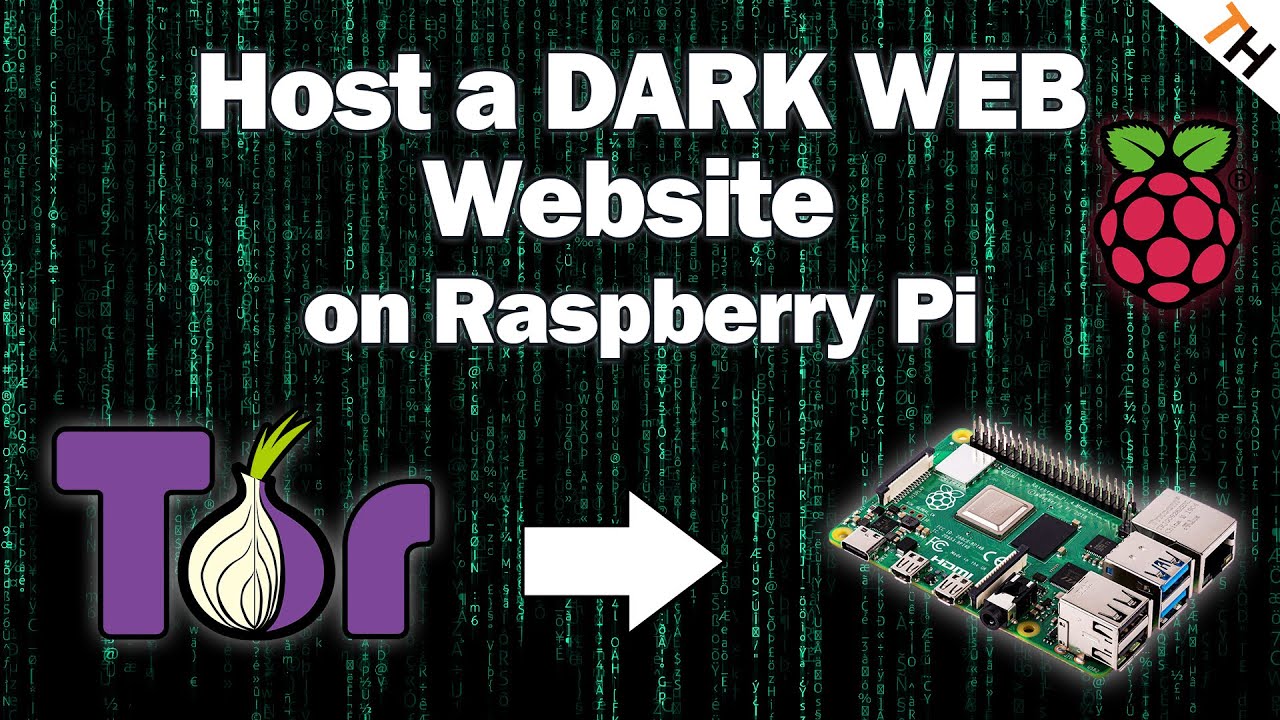
Hidden services allow your site to be accessible. First, locate the torrc file in the Tor folder. Open it with a text editor. Find the section for hidden services. Add a new line with this format: HiddenServiceDir /path/to/hidden/service.
Then, specify the port with HiddenServicePort. Save your changes. Restart the Tor service. This will create a hidden service. You will receive a unique .onion URL. This URL is your site’s address on the dark web.
Credit: www.youtube.com
Creating Your Dark Web Site
Every site needs a clear structure. Start with a simple layout. Use HTML for structure. CSS styles the site. Plan your pages. Think about what you want to share. Organize content in sections. Each section has a purpose.
HTML is the foundation of your site. It creates headings, paragraphs, and lists. CSS adds color and style. It makes your site look nice. Use CSS for fonts and spacing. Keep designs simple and clear. Test your site often. Ensure it works well and looks good.
Hosting Considerations
Hosting a site on the Dark Web involves using special software like Tor to ensure anonymity. Choose a reliable hosting provider that supports. onion domains for secure and discreet browsing. Prioritize security measures to protect sensitive information and maintain privacy online.
Choosing A Hosting Provider
Choosing the right hosting provider is important. Your site needs to be safe and fast. Some providers offer special services for the Dark Web. They know how to keep sites private. Look for providers who care about security. They should have a good reputation. Check reviews and ask questions. Make sure they understand Dark Web needs. A good provider will help you stay safe.
Ensuring Privacy And Security
Privacy and security are key on the Dark Web. Use strong passwords for all accounts. Keep your data safe with encryption. This makes it hard for others to read your data. Turn on two-factor authentication for extra safety. Always update your software. New updates fix old problems. Stay anonymous by hiding your real IP address. Use tools like Tor to browse safely. Be careful with what you share online.

Credit: di-marco.net
Security Measures
Using strong encryption techniques is crucial. It keeps your data safe. Data travels through many nodes. Without encryption, data can be exposed. SSL/TLS certificates help secure data. They create a secure tunnel. Always keep your encryption methods updated. Old methods can be weak. Encryption protects both you and your users.
Be aware of common security vulnerabilities. Hackers often exploit them. Use strong passwords. They should be long and unique. Update your software regularly. Old software can have bugs. Bugs make your site weak. Regular scans can help find problems. Fix issues quickly to stay safe. Use firewalls to block attacks.
Maintaining Your Site
Regular updates keep your site safe and fresh. Old code can make your site weak. New updates fix these weak spots. They also add new features. Always check for updates. Update your site often. This helps your site stay protected.
Knowing who visits your site is key. Traffic monitoring tools help track visitors. They show how many people visit. They show what people do on your site. Use these tools to understand your audience. Watch for unusual traffic. Strange spikes can mean trouble. Keep your site safe by watching traffic patterns.
Legal Implications
Hosting a site on the dark web involves many legal risks. Some actions could be illegal. It’s important to know the laws in your country. Not all countries have the same rules. Some allow certain activities. Others do not. Breaking laws can lead to serious trouble. Jail time or fines are possible. Always understand the rules first. This can help avoid problems later.
Following rules is called compliance. You must comply with laws when hosting a site. Regulations are rules set by the government. They help keep things safe and fair. Not following them can be dangerous. Sometimes, you need a license to host a site. Check if this is true in your area. Always stay updated on rules. They can change often. Being aware keeps you safe.
Credit: medium.com
Frequently Asked Questions
Is It Illegal To Go On Dark Web Sites?
Accessing the dark web is not illegal, but engaging in illicit activities there is. Users should exercise caution and avoid illegal content. It is crucial to protect privacy and use safe browsing practices. Always ensure compliance with legal guidelines while exploring the dark web.
How To Create A .onion Site?
To create a. onion site, install Tor and set up a web server. Configure the Tor service with a hidden service. Find your. onion address in the Tor configuration file. Secure the site using privacy-focused practices.
Can Police Track You On The Dark Web?
Police can track you on the dark web using advanced tools and techniques. They monitor illegal activities and collaborate with cybersecurity experts. Staying anonymous is difficult due to sophisticated tracking and surveillance. Engaging in illegal activities increases the risk of detection and prosecution by authorities.
How Do I Put A Website On Tor?
Install Tor and configure it correctly. Set up a web server and a. onion domain. Ensure your content complies with Tor’s guidelines. Use the Tor Project documentation for detailed instructions. Secure your site to protect user privacy and data.
Conclusion
Exploring the dark web requires caution and knowledge. Hosting a site there involves unique steps. Secure your connection and protect your identity. Choose the right hosting service carefully. Make sure your content is legal. The dark web offers privacy but also risks.
Always stay informed and follow best practices. Remember, safety comes first. It’s crucial to know the rules and stay safe online. Hosting a site on the dark web isn’t for everyone. It demands responsibility and understanding. Take your time to learn and decide wisely.


