Imagine you have a tool that can transform your ideas into vibrant online conversations, connect you with like-minded individuals, and amplify your voice across the digital landscape. You’re probably familiar with social media giants like Facebook, Instagram, and Twitter.
But have you ever considered that WordPress might play a similar role? Yes, you heard it right! WordPress is not just a blogging platform or a website builder. It has the potential to act as a dynamic social media hub.
Curious to know how? As you read on, you’ll discover the hidden social media features within WordPress that could revolutionize how you interact online. This isn’t just about building a website; it’s about creating a thriving online community. Are you ready to unlock the full potential of WordPress as a social media powerhouse? Let’s delve into the details.

Credit: wpmultiverse.org
WordPress Basics
WordPress is a tool to make websites. It is easy and popular. Many people use it. You can make a blog with WordPress. Or a shop. It helps you share ideas. It is free. You can change how it looks. Use themes to do this. Add plugins for more features. WordPress is flexible. You can use it on any device. It works on computers and phones. You need no coding to use WordPress. It is simple for everyone. Anyone can start a website today.
WordPress started in 2003. It was a small project. Now, it is huge. Many people work on it. It began as a blogging tool. Now, it is much more. It is used for many websites. Shops, news sites, and more. WordPress gets better each year. Updates make it safe and fast. The community helps improve it. They add new features. WordPress is always changing. It grows with the internet. Many languages are supported now. Everyone can use it.
Credit: smashballoon.com
WordPress As A Content Management System
WordPress is a popular platform for creating websites. It helps users build sites without coding. Anyone can use it. Bloggers, businesses, and schools love it. WordPress allows adding text, images, and videos easily. It offers many themes and plugins to make sites unique. Users can change the look of their site quickly. It provides tools to manage content well. Users can post blogs and update pages with ease.
Other CMS platforms exist too. Some popular ones are Joomla and Drupal. WordPress stands out for its user-friendly interface. It’s easier for beginners to learn. Joomla is more complex. Drupal offers more customization. WordPress is known for its large community. There are many forums and help sites. It is easier to find solutions and support.
WordPress In The Social Media Landscape
WordPress is a powerful tool for sharing content online. It lets you create blogs and websites. People use it to write and share stories. It is like a big library where you can find many topics. This platform helps writers reach people all over the world. You can share your thoughts with everyone. Readers can comment and share your posts. This makes WordPress an interactive place. It’s easy to connect with others.
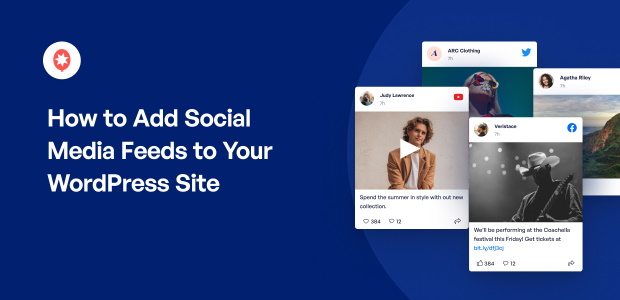
WordPress works well with social media. You can link your posts to Facebook and Twitter. Share your WordPress content on these platforms. This helps you reach more people. You can use plugins to do this easily. These tools let you share with just one click. Your friends can see your posts on their social media. This makes WordPress a good choice for content creators. It is easy to use and connect with others.
User Engagement On WordPress
WordPress is more than a blogging tool. It builds communities. Users share ideas. They connect through posts and comments. This creates a sense of belonging. People come together over shared interests.
Comments are important on WordPress. They start conversations. Users react to posts. This interaction boosts engagement. People love sharing thoughts. Writers reply to comments. This makes readers feel valued. They return to read more.
Customization And Personalization
WordPress offers many themes and plugins. You can change the look of your site easily. Themes help make your site pretty. Plugins add new features. This makes your site more fun. You can choose from many options. Some themes are free. Some plugins cost money. Pick the ones you like best.
Enhancing user experience is key. Themes and plugins make the site more interactive. Users can find what they need quickly. This makes them happy. Happy users visit more often. They spend more time on your site.
WordPress For Businesses
WordPress helps businesses share their stories. You can write blogs and share them with many people. It lets you connect with your audience. Your business can grow with good content. People read and learn about your products. WordPress tools make it easy to add pictures and videos. This makes your content look nice. Social sharing buttons help spread your message. This makes your content reach more people.
WordPress supports online shopping. Businesses can sell products easily. You can add a shopping cart to your website. This helps customers buy items. Payment systems can be set up on WordPress. It is safe and easy for users. Plugins make adding new features simple. You can track sales and see how well products do. Customer reviews can help improve your sales. WordPress makes managing an online store easy.
Future Of WordPress In Social Media
WordPress is always changing and growing. New plugins help users share content. They make websites more social. People want to connect more. Developers create tools to help. New themes add social media buttons. This makes sharing easy. Users can comment and like posts. This helps build a community. More integrations with other platforms are coming. This means more ways to use WordPress.
Keeping up with changes is hard. New social media trends appear often. WordPress must adapt fast. Security is another concern. Protecting user data is important. Some plugins can be risky. They need regular updates. Users might find it hard to choose the right tools. Too many options can be confusing. Balancing simplicity with features is key. Developers work on making things easier.
Credit: www.juicer.io
Frequently Asked Questions
Is WordPress A Social Media Platform?
No, WordPress is not a social media platform. It’s a content management system primarily used for creating websites and blogs. While it can integrate social media functionalities, its main purpose is to manage and publish content online, allowing users to create and customize their own web presence.
Can WordPress Host Social Media Features?
Yes, WordPress can host social media features. Through plugins and themes, users can integrate social sharing buttons, comment sections, and user profiles. These tools enable interaction and engagement similar to social media, enhancing the website’s interactivity and connectivity with audiences.
Does WordPress Support Social Media Integration?
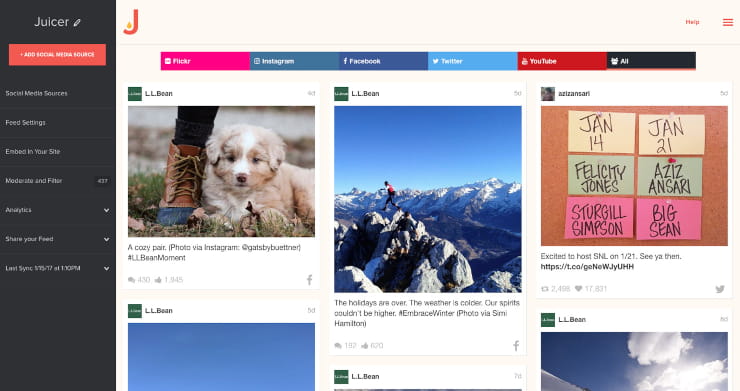
WordPress supports social media integration effectively. Users can connect their sites with platforms like Facebook, Twitter, and Instagram using plugins. These integrations allow automatic sharing of posts, embedding social feeds, and enhancing online presence, making it easier to reach broader audiences.
Can WordPress Be Used For Social Networking?
WordPress can be used for social networking through specialized plugins. Plugins like BuddyPress enable community features such as user profiles, messaging, and activity streams. This transforms a WordPress site into a social networking space, allowing users to connect and interact.
Conclusion
WordPress is not just a social media platform. It’s more versatile. People use it mainly for creating websites and blogs. It offers tools to share content and interact. But it lacks typical social media features. No friend requests or timelines.
It focuses on content creation and management. You can integrate social media plugins. This enhances interaction but doesn’t change its core function. WordPress remains a powerful tool for sharing ideas. Perfect for bloggers and businesses. It’s a space for creativity, not social networking.
Understand its purpose and use it effectively.