
Are you struggling to figure out where your website is hosted? Whether you’re a business owner, a blogger, or just someone curious about your online footprint, knowing your web hosting provider can offer valuable insights.
It can help you make informed decisions about performance, security, and scalability. Plus, it’s crucial if you’re considering a switch or need support. In this guide, you’ll learn simple, effective methods to uncover your web hosting provider. This knowledge not only empowers you but also ensures your website’s smooth operation.
Ready to demystify the mysteries of your web hosting? Let’s dive in and discover how you can easily pinpoint where your website resides!

Credit: hostarmada.com
Types Of Web Hosting
Many websites use shared hosting. Websites share one server. Costs are low. Performance may vary. Good for small websites. Not ideal for big traffic.
VPS means Virtual Private Server. More control than shared hosting. Good for growing sites. Offers better performance. Costs more than shared hosting.
One server for one website. High performance and control. Expensive option. Ideal for big sites. Large websites need dedicated hosting.
Scalable hosting option. Uses many servers. Handles traffic spikes well. Costs vary by usage. Good for unpredictable traffic.
Assessing Your Needs
Planning is key. Think about how many visitors you’ll have. More traffic needs a stronger server. Small sites can use shared hosting. Big sites may need dedicated servers. Predict growth to choose the right option.
Each website uses different resources. Some need more storage or bandwidth. Others need special software. Know what your site needs. This helps in choosing the right plan. Basic plans suit simple sites. Advanced plans fit complex needs.
Cost matters. Decide how much you can spend. Cheaper plans offer limited features. Expensive plans provide more control. Find a balance between cost and features. Make sure you get value for money.
Key Features To Look For
Check if your web host offers a strong uptime guarantee. This shows how often your site will be online. Good hosts offer at least 99.9% uptime. This means your site works almost all the time. A higher percentage is better for your visitors.
Customer support is very important. Your host should help you any time. Look for 24/7 support through chat or phone. Fast help means less worry for you. Friendly staff make fixing problems easier.
Scalability options allow your site to grow. Choose a host that lets you upgrade easily. As your site gets bigger, you need more space. Good hosts provide simple ways to expand.
Protecting your site is key. Look for hosts with strong security features. These include SSL certificates and firewalls. They keep your site safe from hackers. A secure site keeps your data private.

Credit: proximitymarketing.com
Comparing Hosting Providers
Check what others say about the hosting. Reputation matters a lot. Read user reviews on trusted sites. These reviews help you know the service. A good host has many happy users. Bad reviews? Avoid that host.
Look at the pricing for each host. Some are cheap, some are not. What does each plan offer? Compare features like space and speed. Choose what fits your budget and needs.
Some hosts offer a trial period. Test the service before you buy. A money-back guarantee is a safe choice. If not happy, get your money back. Make sure to read the terms first.
Evaluating Technical Aspects
Control Panel Options play a huge role in web hosting. Most hosts offer cPanel or Plesk. These panels help manage websites easily. Choose a panel that feels simple. Ensure it supports tasks you need.
Server Location affects website speed. Nearby servers load faster. Check where host’s servers are. Choose a location close to your audience. This helps your site run smoothly.
Bandwidth and Storage are crucial for site growth. Bandwidth is data transfer. Storage is space for files. Pick a host with enough bandwidth. Ensure storage meets your needs. Some hosts offer unlimited options. Compare plans wisely.
Understanding Hosting Costs
Initial costs are what you pay first. Often, they seem low. Hosting companies want to attract new customers. But renewal rates can be higher. Always check the renewal rates before you sign up. It’s important to budget for future costs. Planning ahead can save you money. Compare different hosting plans. Look at both initial and renewal rates. This helps you make a smart choice.
Hosting providers may charge extra fees. These can add up quickly. Look for fees for backups, security, or domain names. Some services are optional. Decide if you need them. It’s smart to ask about all costs upfront. Check if there are hidden charges. Transparency is key. Knowing all fees helps manage your budget better. Choose a provider with clear pricing.
Making The Final Decision
Choosing the right web hosting can be challenging. Consider factors like speed, reliability, and customer support. Compare different providers and read reviews to make an informed decision.
Shortlisting Providers
Create a list of web hosting providers. Choose those with good reviews. Check their pricing and plans carefully. Make sure they fit your needs. Look for providers with 24/7 customer support. Ensure they have reliable uptime. Compare the features they offer. This helps in narrowing down choices.
Reading The Fine Print
Always read the terms and conditions. Look for hidden charges. Understand the cancellation policy. Know about money-back guarantees. Check for renewal rates. Sometimes they are higher. Make sure you know all the details.
Seeking Recommendations
Ask friends or family for advice. They might have good suggestions. Join online forums related to web hosting. People there share their experiences. Read online reviews too. This helps in making a wise decision.
Setting Up Your Hosting
Your domain name is your website’s address. Choose a name that is simple. Make sure it reflects your site’s purpose. Buy the domain from a trusted provider. Check for available names using their search tool. Register your name to secure it. This step is vital for your online presence.
Moving your site to a new host is called migration. Backup your files before starting. Use the host’s migration tool for ease. Follow the instructions carefully. Double-check all the data. Ensure nothing is lost in the process. A smooth migration keeps your site safe.
Once set up, configure your hosting settings. Adjust the security options first. Set up email accounts linked to your domain. Manage your database settings. Control the bandwidth and storage limits. Review and tweak all settings regularly. This keeps your site running well.
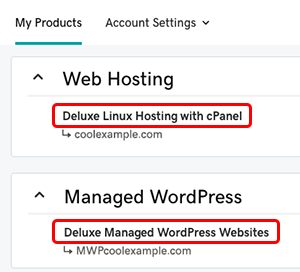
Credit: www.godaddy.com
Frequently Asked Questions
How Do I Know My Web Hosting Provider?
Check your website’s domain registration details for hosting information. Use tools like WHOIS lookup to identify your provider. Alternatively, contact your domain registrar for assistance. If you’re unsure, review billing statements or emails related to your hosting account for provider details.
How Can I Find Where My Website Is Hosted?
Use online tools like “Whois” to find your website’s hosting provider. Enter your domain name. The results will display hosting details. Alternatively, check your domain registrar’s account or contact support for hosting information.
How Do I Know What Platform My Website Is Hosting?
Check your website’s backend or admin panel for hosting information. Use online tools like Whois or BuiltWith. Look for hosting details in DNS records. Contact your web developer or hosting provider for specific platform information. Explore your website’s source code for hints on hosting platforms.
What Is Your Website Host?
Our website is hosted by Bluehost, a reliable provider known for excellent uptime and customer support. They offer various hosting plans to suit different needs, ensuring your site runs smoothly. With their intuitive interface, managing your website becomes easy, even for beginners.
Bluehost’s competitive pricing makes it a popular choice.
Conclusion
Choosing the right web hosting can feel overwhelming. Start by assessing your needs. Explore different hosting types. Consider budget and reliability. Check reviews and ratings. Look for good customer support. Compare features like bandwidth and storage. Don’t rush; take your time.
Your website’s success depends on this decision. Remember, a reliable host can save you future headaches. Invest wisely. Choose what fits your goals. With these tips, finding your web hosting becomes simpler. Enjoy building your online presence confidently.


