
Have you ever wondered what makes WordPress tick? As one of the most popular platforms for building websites, WordPress powers over 40% of the internet.
But what language does WordPress use to work its magic? Understanding the foundation of WordPress can unlock a new world of possibilities for you. Whether you’re a seasoned developer or a curious beginner, knowing the language behind WordPress can boost your web projects and creativity.
So, if you’re eager to enhance your knowledge and make the most of your website, stay with us. We’re about to dive into the core language that fuels WordPress and how it impacts your online presence.

Credit: www.gsplugins.com
Core Languages Of WordPress
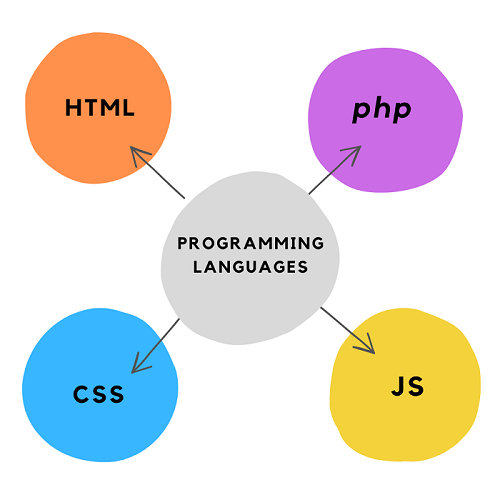
WordPress uses many languages for different tasks. The main language is PHP. PHP helps WordPress to work on the web. It handles the server-side of the site. Another important language is HTML. HTML builds the structure of web pages. It decides how content looks on a page.
CSS is also crucial. It styles the web pages. CSS makes them look nice and attractive. JavaScript adds interactivity. It makes web pages dynamic. Users can click buttons or view animations. These languages work together. They make WordPress powerful and flexible.
Credit: siteefy.com
Php: The Backbone
WordPress started with PHP 4 in 2003. It was simple then. Over time, it moved to PHP 7. This made WordPress faster and safer. PHP 8 is the latest version. It offers even better speed. WordPress keeps getting updates. These updates make it work well with PHP. New features come often. They help make websites better.
PHP is very popular. Many websites use it. It is open-source. This means it is free to use. Many developers work with PHP. This makes finding help easy. PHP is flexible. It can do many things. You can make websites interactive with it. PHP is also secure. It keeps your site safe. Updates help fix problems quickly. It’s easy to learn too. This makes it great for beginners.
Javascript: Enhancing Interactivity
JavaScript makes websites interactive. It is crucial for WordPress themes and plugins. Themes use JavaScript to add special effects. Animations and sliders are examples. Plugins use JavaScript too. They add features like contact forms. JavaScript helps make websites fun and engaging. It works with HTML and CSS. Together, they create dynamic web pages. JavaScript can change content without reloading the page. This keeps users happy and engaged. It is fast and efficient. Many developers love using JavaScript.
Role In WordPress Themes And Plugins
WordPress themes often use JavaScript. It makes them interactive. Plugins rely on JavaScript too. They need it for many features. For instance, galleries use JavaScript to display images. Forms use it to validate inputs. JavaScript makes themes and plugins dynamic. It is important for user experience. Websites feel lively with JavaScript. Developers use it to create effects. These effects are smooth and appealing. JavaScript is part of every modern website.
Javascript Libraries And Frameworks
Libraries like jQuery help simplify JavaScript coding. They provide ready-made functions. Developers use them for faster coding. Frameworks like React and Vue.js are popular. They help build complex interfaces. WordPress developers often use these tools. They make coding easier and faster. Libraries and frameworks are trusted by many. They are powerful tools for developers. With them, coding becomes less hard. They help create interactive and responsive sites.
Html And Css: Structuring And Styling
WordPress uses PHP as its primary language for server-side operations. HTML and CSS handle the structure and style of WordPress sites. These languages work together to create visually appealing and functional websites.
Html For Structure
HTML is like a skeleton for a website. It helps in organizing content. Every part of a webpage uses HTML. It tells browsers what to show. For example, headings, paragraphs, and images. Each element has a specific tag. Tags are like labels. They define parts of the content. HTML is easy to learn. Even kids can start with it. It’s like making a blueprint for your site.
Css For Presentation
CSS is the color and style of the website. It makes things look pretty. CSS changes text size, color, and font. It can move parts of the page. CSS helps in making websites responsive. This means it looks good on phones and computers. CSS works with HTML. HTML builds, and CSS decorates. Together, they make beautiful websites.
Mysql: Database Management
MySQL helps store data safely. It organizes data in tables. These tables make information easy to find. Retrieving data is quick with MySQL. Users can find what they need fast. This makes websites efficient and responsive.
MySQL works closely with WordPress. It stores all posts and pages. Themes and plugins also use MySQL. Users get a smooth experience. MySQL keeps everything in order. It ensures the site runs well. WordPress and MySQL are a strong team. They make sure content is ready and available.
Other Languages In WordPress Development
WordPress primarily uses PHP for its core development, while JavaScript enhances functionality. HTML and CSS shape the design and structure. These languages work together, creating a flexible and dynamic platform for building websites. Understanding their roles helps in customizing and optimizing WordPress sites effectively.
Xml And Json For Data Exchange
WordPress uses XML and JSON to share data. XML is like a big book with tags. It helps in organizing data. JSON is smaller and easier to read. It uses curly braces and colons. Both are important for moving data between systems. They help in making websites faster. Developers love using them. They are smart tools for data.
Role Of Sql In Custom Queries
SQL helps in talking to the database. It finds and shows data fast. Custom queries are special questions we ask the database. They help in getting specific information. SQL makes these questions easy. It is like asking a friend for help. The friend, SQL, knows the answers. It makes WordPress powerful and quick.
Tools And Resources For Learning
Online tutorials are helpful for learning WordPress. They offer step-by-step guides. These guides are easy to follow. Many websites provide free tutorial videos. Videos are great for visual learning. Some platforms offer paid courses. Paid courses often have detailed lessons. These lessons can help understand complex topics. Choose a course that suits your level. Beginners can start with basic tutorials. Advanced learners can explore in-depth courses.
WordPress forums are helpful for learners. People share tips and solutions. Users can ask questions anytime. Many experts visit these forums. They provide valuable advice. Forums are great for solving specific problems. Look for active communities. Active communities have many users. They respond quickly. Forums are free to join. They are a valuable resource for everyone.
Credit: siteefy.com
Frequently Asked Questions
What Programming Language Powers WordPress?
WordPress is primarily powered by PHP. PHP is a server-side scripting language. It enables dynamic content management. PHP handles WordPress core functionality. It’s essential for executing WordPress themes and plugins. This makes WordPress highly versatile and flexible.
Is WordPress Built With Html And Css?
Yes, WordPress utilizes HTML and CSS. HTML structures web content. CSS styles the appearance of WordPress sites. These technologies work with PHP. Together, they create visually appealing and functional websites.
Does WordPress Use Javascript?
Yes, JavaScript is integral to WordPress. It enhances interactivity and user experience. JavaScript powers dynamic elements on WordPress sites. It works alongside PHP, HTML, and CSS. This combination makes WordPress robust and dynamic.
Can WordPress Run On Any Server?
WordPress runs on servers with PHP and MySQL. PHP processes WordPress scripts. MySQL manages the database. These technologies are widely supported. This makes WordPress compatible with most web hosting services.
Conclusion
WordPress relies on PHP for its core operations. This language powers its functionality. MySQL handles the database tasks. HTML and CSS manage the website’s appearance. JavaScript adds dynamic features. These languages work together seamlessly. They create a smooth WordPress experience.
Understanding these basics aids in customization. It also helps in troubleshooting issues. WordPress’s language mix might seem complex. But learning them opens many possibilities. With practice, managing a WordPress site becomes easier. The open-source community offers endless resources. These tools support learning and growth.
Dive into WordPress with this knowledge. It’s a rewarding journey.


