
Starting a blog is an exciting adventure, but choosing the right web hosting company can feel like navigating a maze. You want something that’s reliable, affordable, and perfectly tailored to your needs.
But with so many options out there, how do you know which one is the best fit for you? Imagine a world where your blog runs smoothly, effortlessly attracting readers and growing your audience. Sounds perfect, right? In this guide, you’ll discover the secrets to selecting a web hosting company that will set the stage for your blogging success.
Dive in to find out how the right choice can make all the difference, turning your blogging dreams into reality.
Choosing The Right Hosting Provider
Understanding your blog’s needs is very important. Think about how much traffic your blog will have. More traffic means you need more resources. Consider the type of content you plan to post. Videos and images require more storage. Think about the budget. Some hosting plans are cheap, others are expensive. Decide what features are a must. Backups, security, and support are important. Each blog is unique, so list your specific needs.
Different companies offer different plans. Some are shared hosting, others are dedicated hosting. Shared hosting is cheaper but slower. Dedicated hosting is more expensive but faster. Look at the bandwidth and storage each plan provides. More is usually better. Check if they offer SSL certificates. SSL keeps your blog safe. Customer support is also important. Make sure they offer 24/7 help. Compare the prices and read reviews online.

Credit: wp101.com
Understanding Different Hosting Types
Shared hosting is like a big apartment. Many websites live in one server. It is cheap and easy to use. But, it is slow if a lot of websites are busy. Good for beginners who want to spend less money.
VPS hosting is a small house in a big building. You get more space and speed. It is safer than shared hosting. Costs more but better for bigger websites. Good for growing blogs.
Dedicated hosting is your own house. You have the whole server for your website. It is fast and secure. Best for big businesses. It costs a lot. But, you get full control.
Cloud hosting is like a magic cloud. It grows as you need more space. It is fast and flexible. Costs depend on how much you use. Great for websites with changing traffic.
Key Features To Consider
Storage is like a box. It holds your files. Bandwidth is like a road. It helps people visit your site. Both must be big enough. A small box or road can be a problem. Choose a host with enough storage and bandwidth.
Uptime means your blog is online. Reliability is about being online often. A good host has high uptime. This means fewer problems for your blog. People can see your site anytime.
Security keeps your blog safe. It stops bad people. Look for hosts with strong security. This includes SSL certificates. It protects data. Backups are also important. They save your work.
Customer support helps you. It’s like a friend. They answer questions. Good hosts offer 24/7 support. They are ready to help anytime. Fast help is important. It solves problems quickly.
Budgeting For Web Hosting
Choosing a web hosting plan can be tricky. Different companies offer different pricing structures. Some plans are cheap monthly. Others give discounts for long-term plans. It’s smart to read all details. Some plans have extra fees. Always check for hidden costs. Compare prices and services. Understand what each plan offers.
Getting the best value is key. Higher cost doesn’t always mean better service. Look for features that matter to you. Storage space and bandwidth are important. Check if customer support is good. Uptime guarantees are crucial too. A low-priced plan might lack these. Balance your budget with the features you need.
Setting Up Your Blog
Choose a unique domain name for your blog. Check if the name is available. Use a domain registrar to buy it. Many companies offer this service. Some popular ones are GoDaddy and Namecheap. Prices can vary. Look for discounts and deals.
Decide on a blogging platform. WordPress is very popular. Other options include Blogger and Wix. Follow the steps to install the platform. Many hosts offer one-click installs. This makes it easy for beginners. Once installed, you can start writing.
Set up your blog settings. Choose a theme that looks nice. Adjust the colors and fonts. Set the privacy settings. Decide who can see your blog. Add important plugins. These can help with security and design. Check your settings regularly.
Optimizing Blog Performance
Fast blogs keep visitors happy. Slow blogs make them leave. Use a content delivery network to load pages quicker. Compress images to make them smaller. Update plugins often. This keeps everything running fast.
Backing up your blog is important. It saves your work. Use tools to make backups easy. Choose a schedule. Daily or weekly is best. Store backups in a safe place. If something breaks, you can fix it quickly.
SEO helps people find your blog. Use keywords in your titles. Write clear and easy-to-read content. Link to other pages in your blog. This helps search engines understand your content better.
Managing Growth And Scaling
Starting a blog requires choosing the right web hosting company. Look for reliable services with good customer support. Consider scalability options to manage future growth effectively.
Upgrading Hosting Plans
Blog growth needs better hosting. Upgrading plans is key. Basic plans may slow your site. More space helps manage content. Extra bandwidth handles visitors. Advanced plans offer many features. Faster loading keeps readers happy. Security is improved too. Hosting providers offer tiered plans. Choose one that fits growth. Scalable plans adapt as needed. This helps site run smoothly.
Handling Increased Traffic
Traffic increase can strain your site. More visitors need more resources. Load times might get slower. Hosting upgrades help manage this. Choose a plan with higher bandwidth. More server power handles peaks. Traffic spikes need quick response. Monitoring tools track visitor numbers. These tools help spot problems. Cloud hosting offers flexibility. It adjusts to traffic needs. Reliable hosting keeps your site online.

Credit: masterblogging.com
Troubleshooting Common Issues
Starting a blog can be tricky with hosting companies. Identify common issues like slow loading times or server errors. Check hosting plans and customer support for quick solutions.
Resolving Downtime Problems
Downtime can frustrate anyone. Check your internet connection first. Sometimes, it’s the cause. Then, see if your hosting provider has issues. Visit their website or social media. Next, ensure your domain name is active. Expired domains stop websites. Finally, contact technical support. They help with server problems. Remember, patience is key.
Fixing Security Breaches
Security is important for blogs. Start by updating your software. Old versions have bugs. Use strong passwords for safety. Never use simple words. Install a firewall to block threats. Backup your site regularly. Data loss is terrible. Keep plugins updated too. They often have fixes. Stay alert, stay safe.
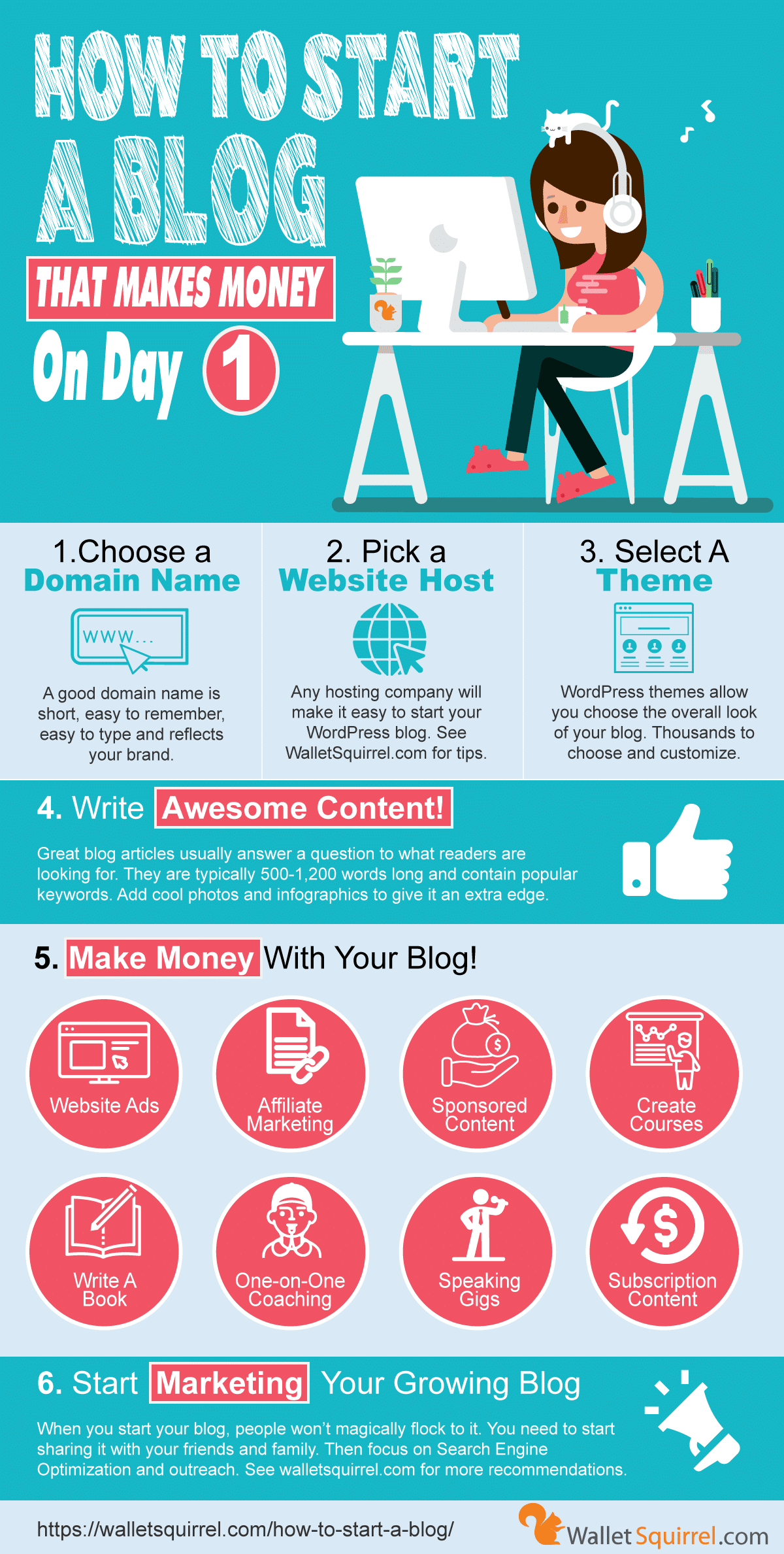
Credit: walletsquirrel.com
Frequently Asked Questions
How Long Does It Take To Make $1000 Per Month Blogging?
Earning $1000 monthly from blogging usually takes 6 months to 2 years. Success depends on niche, content quality, and marketing strategy. Consistent posting, SEO optimization, and audience engagement boost income potential. Patience and persistence are key in achieving financial goals through blogging.
Do You Need A License To Run A Blog?
No, you don’t need a license to run a blog. Blogging is usually free and open to everyone. Some countries may require permits for monetized blogs. Always check local regulations to ensure compliance.
Which Hosting Is Best For Blogging?
Choosing the best hosting for blogging depends on your needs. Consider Bluehost for reliability and WordPress integration. SiteGround offers excellent customer service and speed. Hostinger provides budget-friendly options with solid performance. Evaluate features, pricing, and scalability to find the perfect fit for your blog’s requirements.
Are Web Hosting Companies Profitable?
Web hosting companies can be profitable due to high demand for online services. They generate revenue through hosting plans, add-ons, and domain registrations. Success depends on efficient operations, competitive pricing, and customer service. Profitability varies, influenced by market trends and technological advancements.
Conclusion
Starting a blog is an exciting journey. Choosing the right web hosting is crucial. It impacts your blog’s performance and accessibility. Research different companies thoroughly. Consider factors like price, support, and reliability. Make sure the hosting matches your blog needs.
A solid foundation leads to successful blogging. Invest time in finding the best fit. This ensures your blog runs smoothly. With the right choice, your blogging adventure begins with confidence. Keep learning and adapting. Your blog can grow and thrive online.
Remember, the right host helps your content shine. Happy blogging!


