
Imagine a world where your website is not bound by traditional limits. A place where you can create seamless experiences across various platforms without the constraints of a typical content management system.
This is the promise of headless WordPress. If you’ve ever felt restricted by your current website setup or are curious about the latest innovations in web development, you’re in the right place. Headless WordPress offers you the flexibility to design and deploy your content in ways you might not have thought possible.
By the end of this article, you’ll have a clear understanding of what headless WordPress is, how it works, and why it could be the game-changer your digital strategy needs. Stay with us, and uncover how this approach can transform your online presence.
Credit: izooto.com
Headless WordPress Basics
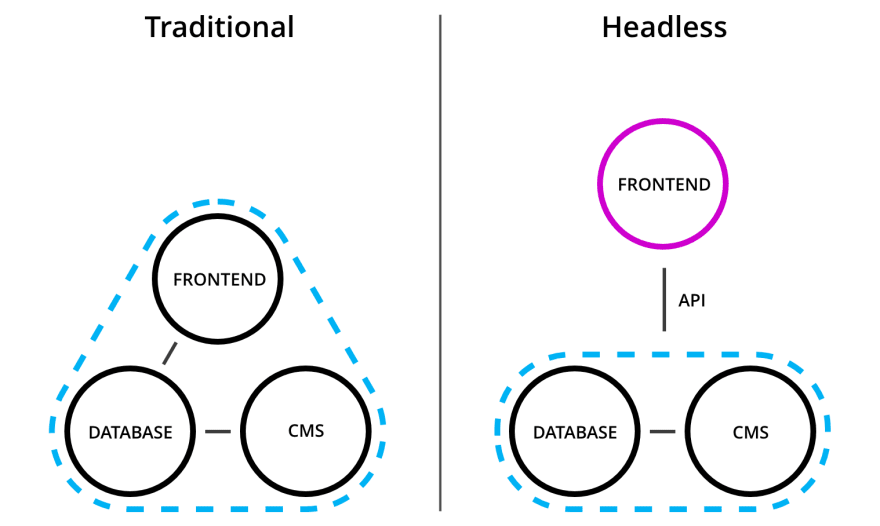
A headless WordPress is a type of website. It separates the backend and frontend. The backend is where data is stored. The frontend is what users see. In headless, both work separately. This gives more flexibility and control. Developers can use different tools for the frontend. This is different from traditional WordPress.
Traditional WordPress ties backend and frontend. Everything is connected. Changes in one affect the other. In headless, they are apart. This makes updates easier. Developers love this method. It offers more options. The website can be faster. It can also be more secure. This is why many choose headless now.
How Headless WordPress Works
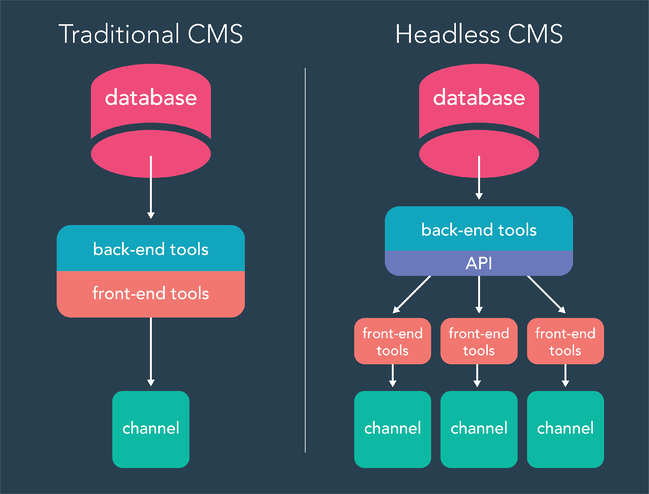
Headless WordPress separates the front-end and back-end. This means the content and presentation are not linked. The back-end is used for content creation. The front-end displays the content in various ways. This setup offers more flexibility.
APIs are used for content delivery. They send content to different platforms. This includes websites, apps, and more. The API acts as a bridge. It connects the back-end and front-end. This makes content delivery fast and efficient.
Benefits Of Headless WordPress
Headless WordPress offers great flexibility. Developers can customize content as needed. You can use any programming language. This makes it easy to build unique websites. Designers have more freedom too. They can create special layouts. This helps in making a distinctive site.
Websites become faster with Headless WordPress. It reduces loading times. Visitors will have a better experience. This is important for keeping them on the site. Faster sites also rank higher on search engines. Everyone likes a quick website.
Headless WordPress is highly scalable. It can handle more traffic easily. As your site grows, it adapts. You won’t face downtime issues. This means more visitors can enjoy your content. It’s a good choice for growing businesses.
Challenges And Considerations
Headless WordPress can be hard to set up. It needs strong coding skills. Not everyone can do it easily. Developers need to know JavaScript and APIs. These are key for headless systems. This makes it more complex than regular WordPress. The team must work closely together. Communication is very important. Good teamwork helps solve problems faster.
Keeping a headless WordPress site running is tough. Regular updates are necessary. Updates keep the site secure. Developers need to test each change. Testing takes time and effort. Bugs might appear after changes. Fixing bugs needs quick attention. This requires a team of skilled people. They should be ready to act fast.
Use Cases And Applications
Headless WordPress is useful for online stores. It allows smooth integration with various tools. Flexible design makes it easy to customize. You can create unique shopping experiences. Product display, checkout, and user profiles are easy to handle. Developers can choose the best front-end tech. This means better performance and faster sites. Security is also improved. No direct access to backend data. More control over the user journey.
With Headless WordPress, content goes to many channels. Websites, apps, and even smart devices. Publish once and reach everywhere. Content creators find it useful. No need to repeat work. The system manages content distribution. It adapts to the needs of each platform. Consistency across channels is easy. It saves time and resources. Engagement with audiences increases. A seamless experience for everyone.
Tools And Technologies
Next.js and Gatsby are popular frameworks. They help build fast websites. These frameworks use React. React is a library for building user interfaces. Vue.js is another choice. It works well with headless WordPress. These tools make websites quick and smooth. They support easy data fetching. Developers use them for creating modern websites.
Headless WordPress can connect to other systems. APIs allow this integration. They let data flow between different parts. GraphQL is a tool for fetching data. It helps get only needed information. REST API is another way to share data. These tools make integration simple. They help make websites smarter. Websites can show data from many places.
Future Of Headless WordPress
Headless WordPress is gaining popularity. It separates the front-end from the back-end. This allows more flexibility. Developers can choose their favorite technologies for the front-end. It improves performance by reducing load times. More websites are adopting this model.
More tools will support headless WordPress. API integrations will become easier. Developers will have more choices. Security features will improve. Content creators will find new ways to manage their sites. Headless WordPress offers endless possibilities for growth.

Credit: www.e2msolutions.com
Credit: blog.hubspot.com
Frequently Asked Questions
What Is Headless WordPress?
Headless WordPress is a setup where WordPress manages content, but a separate frontend framework displays it. This approach decouples the backend from the frontend, offering more flexibility. Developers can use technologies like React or Angular to create engaging user interfaces while leveraging WordPress’s content management capabilities.
Why Use Headless WordPress?
Headless WordPress offers enhanced performance, scalability, and flexibility. It allows developers to build custom frontends, improving user experience. By separating the backend and frontend, developers can utilize modern JavaScript frameworks. This architecture is ideal for complex, dynamic websites that require speed and seamless integration with various services.
How Does Headless WordPress Work?
In Headless WordPress, content is managed in WordPress but delivered via APIs. These APIs send data to a separate frontend application built with modern frameworks like React or Vue. js. This separation allows developers to create custom user experiences without being constrained by WordPress’s traditional theming system.
Is Headless WordPress Suitable For All Websites?
Headless WordPress is not ideal for all websites. It’s best for those needing high customization, performance, and scalability. Simple blogs or small business sites might not benefit from the added complexity. However, for large, dynamic sites, headless architecture can significantly enhance user experience and development flexibility.
Conclusion
Headless WordPress offers flexibility and speed for modern websites. It separates content management from the front-end. This means developers can use any technology for the user interface. Businesses benefit from faster loading times and better security. Content creators still enjoy WordPress’s easy-to-use backend.
Headless architecture is perfect for those needing a custom design. It allows seamless integration with other platforms. This approach is growing in popularity. Many companies are exploring its potential. Considering a headless WordPress? It could be the right choice for your digital needs.


