
Finding the right web host for your site can feel like searching for a needle in a haystack. With so many options out there, how do you know which one is the best fit for your needs?
Maybe you’ve been overwhelmed by technical jargon, or perhaps you’re worried about making a costly mistake. Don’t worry—you’re not alone in this. We’ll break down the essentials, helping you make an informed decision without the hassle. Imagine having a reliable and fast website that keeps your visitors engaged and your business growing.
Sounds great, right? Let’s dive in and explore how you can find the perfect web host to make that a reality.
Types Of Web Hosting
Shared hosting is a budget-friendly option. Many websites share one server. This means resources like CPU and RAM are shared. It’s good for small websites or blogs. Expect limited control over the server. Easy to use for beginners.
VPS stands for Virtual Private Server. It offers more control than shared hosting. Each site gets its own virtual space. This means better performance and security. Suitable for growing websites with more traffic. More expensive than shared hosting.
Dedicated hosting means one server for one site. This is the most powerful option. Offers full control over the server. Best for large businesses or sites with heavy traffic. Comes with a higher price tag. Provides the best performance and security.
Cloud hosting uses many servers. It provides reliable uptime. Resources can be scaled easily. Good for sites with fluctuating traffic. Pay only for what you use. Offers flexibility and scalability. A modern solution for web hosting needs.
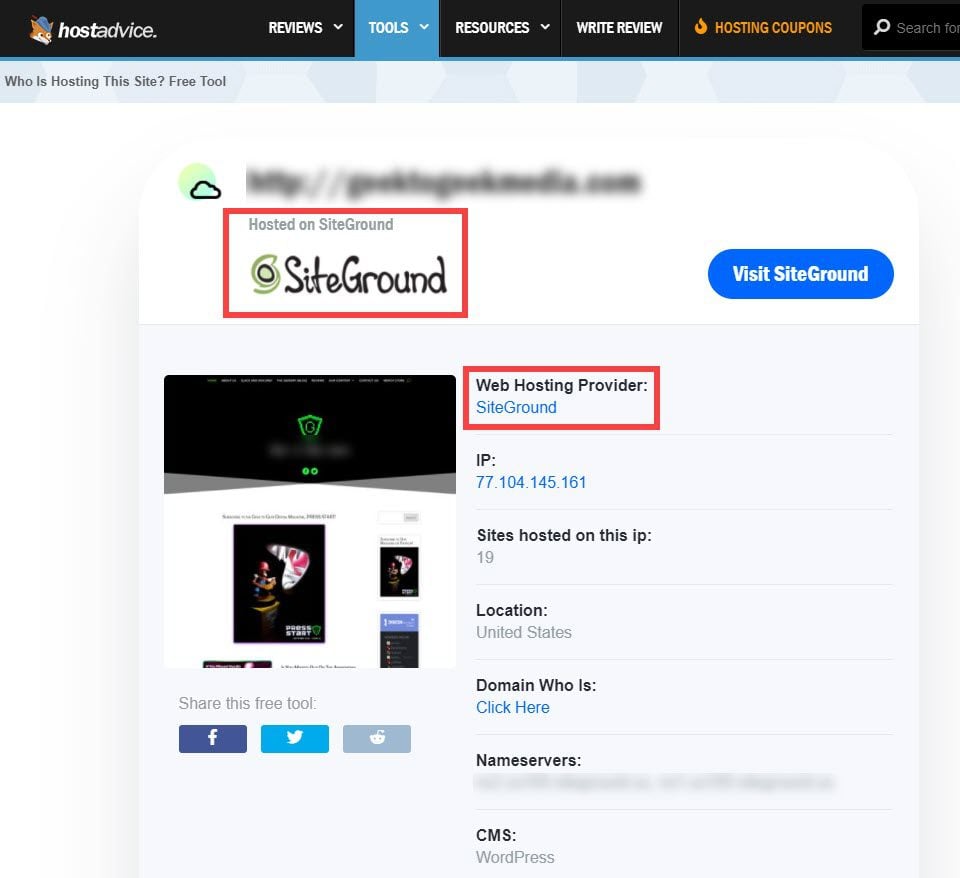
Credit: www.elegantthemes.com
Assessing Your Needs
Traffic expectations can affect your hosting choice. More visitors need more power. A shared host might work for small sites. Large sites may need a dedicated server. Predicting traffic can help you decide.
Thinking about your budget is key. Some hosts are cheap but offer less. Others might be pricey but give more features. Find a balance that fits your pocket and needs.
Consider your technical requirements. Some sites need special software. Others might need extra security. Check if the host supports these needs. This ensures smooth operation of your site.
Key Features To Look For
Bandwidth tells how much data you can send. Storage is where your files live. Both are very important. More bandwidth means more visitors can come. More storage means more files can be saved. Look for hosts offering unlimited bandwidth. This helps your site grow. Also, check if extra storage is easy to get. Always plan for more visitors and data.
Uptime shows how long your site stays online. Good hosts have 99.9% uptime. This means your site is rarely down. Always choose a host with a strong uptime guarantee. If your site is down, visitors can’t see it. This can make people unhappy. Reliable uptime makes sure visitors can always find you.
Customer support helps when things go wrong. Look for 24/7 support. This means help is there any time you need it. Good support is like a friend who always helps. Check if they offer chat, phone, or email support. This makes sure you get help fast. Happy support means happy site owners.
Comparing Hosting Providers
A good host is trusted by many. Check their online reviews. Positive feedback means happy users. Look for any negative comments. These can show problems. Trust a host with many good reviews. This shows they are reliable. A good reputation is important. It means they are likely to be trustworthy.
Hosting can be cheap or costly. Check different price plans. Some hosts offer basic plans. Others have more features for more money. Look for hidden fees. Always read the details. Some plans may look cheap but have extra costs. Choose a plan that fits your budget and needs.
Some hosts give extra help. This could be email services or website builders. Look for 24/7 support. It helps if you have issues. Some offer security features. These keep your site safe. Consider these when choosing a host. They can be very useful.
Security Considerations
SSL certificates keep your data safe. They create a secure link between your website and users. This means bad people cannot see the information. Always choose a host that offers free SSL certificates. It’s important for user trust.
Data protection is very important for websites. Good hosts keep your data safe. They have strong firewalls and good security systems. This stops hackers from getting your data. Always look for hosts that care about data protection.
Backup solutions help you keep your data safe. If something goes wrong, you can get your data back. Choose a host that offers regular backups. Daily backups are the best. This way, you don’t lose important data.

Credit: www.nameboy.com
Scalability Options
Choosing a host with flexible plans is important. Plans should grow with your site. A good plan lets you add more features. You can switch plans easily. This helps when your site needs more resources.
Efficient resource allocation is key. Hosts should offer enough RAM and storage. Bandwidth should match your needs. More resources mean faster load times. This keeps visitors happy.
Your site should have strong growth potential. Hosts must support future needs. Look for hosts with good upgrade options. This ensures your site can expand. Growth is crucial for success.
Evaluating Technical Support
24/7 Availability is crucial for a good host. You need help anytime. Not just during working hours. Always check if support is available all day. It ensures your site runs smoothly.
Various Support Channels are important. Live chat, phone, and email are common. Choose hosts with multiple options. They offer flexibility. Quick help is easier with more channels.
Response Times matter for technical support. Fast replies are a must. Slow responses can cause problems. Always check reviews. Look for hosts with quick support. Your site depends on it.
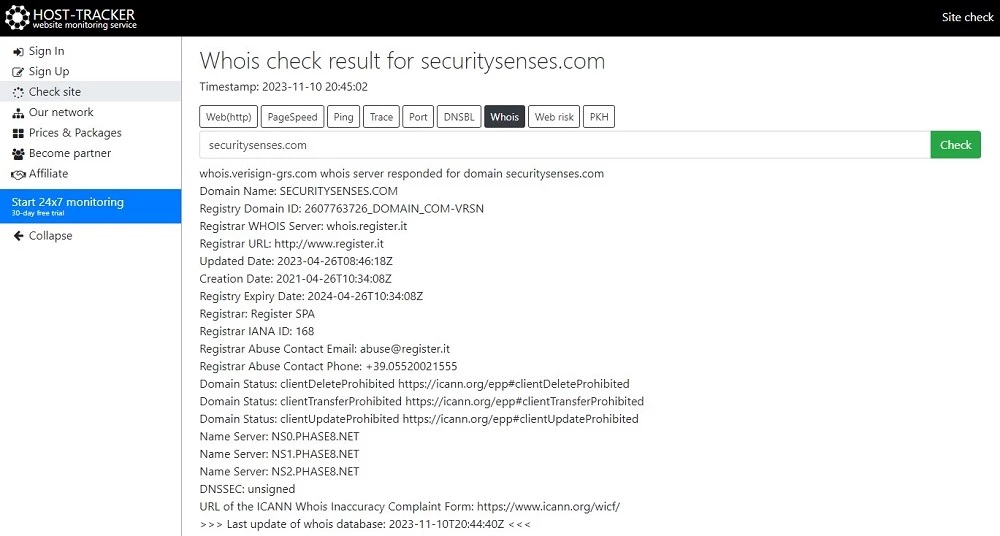
Credit: securitysenses.com
Making The Final Decision
Many hosting companies offer trial periods
Read the contract terms
Some hosts offer migration assistance
Frequently Asked Questions
How Do I Find Out Who Hosts My Website?
Use a WHOIS lookup tool to find your website host. Check domain registrar details for hosting information. Contact your domain provider for help. You can also use online tools like Hosting Checker for quick results.
What Is Your Website Host?
We host our website on Bluehost, known for reliable performance and excellent customer support. Bluehost offers affordable hosting plans. It provides easy WordPress integration, ensuring smooth website management. With secure servers and 24/7 assistance, Bluehost is a top choice for businesses and individuals seeking hassle-free hosting services.
How Do I Find Out What Platform A Website Is Hosted On?
Use online tools like BuiltWith or Netcraft to identify a website’s hosting platform. Check the site’s HTML source code for clues. Explore WHOIS databases for hosting details. These methods help you uncover the website’s hosting provider efficiently.
How To Find Out Who Owns A Website?
Use WHOIS search tools to find website ownership details. Check domain registrars like GoDaddy or Namecheap for information. Visit ICANN’s WHOIS lookup for accurate data. Some sites hide ownership using privacy services. Contact the website directly for further insights if needed.
Conclusion
Choosing the right web host is crucial. It affects site speed and reliability. Consider factors like cost and support. Compare different hosts. Read reviews from real users. Look for uptime guarantees. Test customer service quality. A reliable host boosts your site’s performance.
Ensures smooth access for visitors. Make an informed decision. Prioritize your site’s needs and budget. Remember, a good host is an investment. It safeguards your website’s future. Keep these tips in mind. Your website deserves the best host possible. Choose wisely for long-term success.


