
Have you ever wondered what web hosting actually means? If you’re diving into the world of websites, understanding web hosting is crucial.
It’s the backbone that keeps your site visible online and accessible to users worldwide. Imagine web hosting as the home where your website lives, ensuring it’s ready to greet visitors at any time. But how exactly does it work, and why is it so important for your online presence?
By the end of this article, you’ll have a crystal-clear picture of web hosting, enabling you to make informed decisions for your website’s needs. Get ready to unlock the secrets behind web hosting and empower your online journey.
Basics Of Web Hosting
Web hosting is like renting space on the internet for your website. It allows your site to be accessible online. Hosts provide servers where your website files are stored, making them available for users worldwide.
Definition And Purpose
Web hosting lets your website be seen online. Hosts store your site’s files on servers. These servers are like powerful computers. People visit your site through the internet. Hosting keeps your site safe and fast. Without hosting, your site can’t be online.
Types Of Web Hosting
There are different types of web hosting. Shared hosting is the most common. Many websites share one server. VPS hosting gives more space and power. It’s like having your own small server. Dedicated hosting is for big sites. You get a whole server for yourself. Cloud hosting uses many servers. It is flexible and grows with your site.
Shared Hosting
Web hosting lets websites be accessible online. Shared hosting is one of the simplest types. Many sites share one server. This makes it cost-effective and easy for beginners.
Features And Benefits
Shared hosting is a popular choice for beginners. It is cost-effective and easy to use. Many websites share one server. This means the cost is low. You get a control panel to manage your site. Support is often available 24/7. You can start small and grow. Perfect for personal blogs or small business sites.
Limitations And Drawbacks
Shared hosting has some limitations. Many websites share the same server. This can slow down your site. If one site uses too many resources, others can suffer. Security is a concern. If one site is hacked, others might be at risk. You have limited control over server settings. Not ideal for high-traffic sites.
Vps Hosting
Virtual Private Servers (VPS) offer a unique blend of benefits. Each VPS is like a mini server. It runs its own operating system. Users can install any software they need. This gives them more control. A VPS is more secure than shared hosting. That’s because each VPS is isolated from others. It provides better performance and reliability. Each VPS has its own resources. This means better speed and uptime.
Cost efficiency is another key point. VPS hosting is cheaper than a dedicated server. Yet, it offers similar advantages. This makes it a great choice for growing businesses. It’s also perfect for websites with medium traffic. It balances cost and performance well.
A VPS is ideal for businesses needing more power. It’s suitable for e-commerce sites. They require secure payment processing. Developers also like VPS. They can test applications in a safe environment. A VPS is great for hosting multiple websites. Each site can have its own space.
Growing blogs can benefit too. As traffic increases, a VPS can handle it. It provides the needed resources. It’s a smart choice for any expanding site.
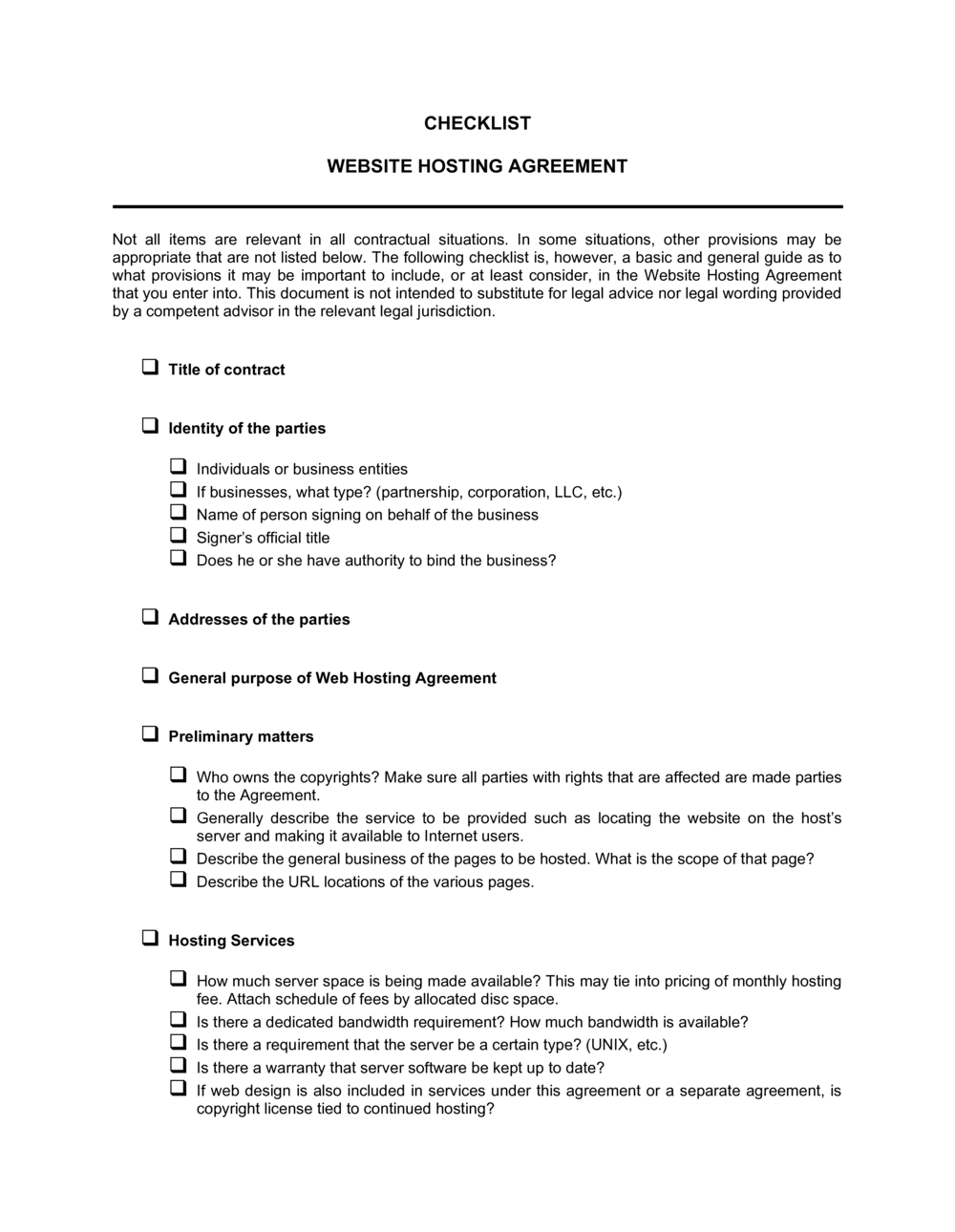
Credit: www.business-in-a-box.com
Dedicated Hosting
Dedicated hosting gives your website a whole server. This means no sharing with others. Your site can be faster. It can handle more visitors. You have more control over everything. You can choose the software. You can decide the security settings. You can even customize the server.
This type of hosting is great for big websites. Sites that need high performance and security. It is also good for sites with many visitors. Or sites with special software needs.
Choose dedicated hosting for big businesses. Also, for websites with heavy traffic. It is best for sites needing full server control. High security is a good reason too. When budget allows, it offers great benefits.
Cloud Hosting
Cloud hosting offers great scalability. It means your website can grow easily. If your site gets more visitors, the hosting adjusts. No need to worry about running out of space. It’s like a balloon that can get bigger as you need. This is very helpful for busy websites. You won’t miss any visitors due to limited space. Cloud hosting also provides flexibility. You can change settings as you like. This helps in managing your resources better. It’s like having a toolbox with many tools. You pick what you need at the right time.
Cloud hosting uses different pricing models. You pay for what you use. This is called pay-as-you-go. It’s like using water at home. You pay only for how much you use. This way, you can save money. Some people like monthly plans. These plans are easy to understand. You pay the same amount every month. Others prefer daily or hourly rates. Choose what works best for you and your needs.
Managed Hosting Services
Managed hosting offers expert support to handle server tasks. This means you don’t need to worry about technical issues. Your hosting provider takes care of everything. Updates, security, and backups are managed by experts. This saves you time and effort.
Businesses with little tech knowledge find managed hosting helpful. It ensures websites run smoothly and stay secure. Managed hosting often includes 24/7 support. You can get help whenever you need it.
Managed hosting is great for busy businesses. Those without IT staff benefit the most. It suits companies needing reliable web presence. Businesses with high traffic websites also find it useful. Managed hosting ensures websites are always online.
Websites handling sensitive data should consider this option. Managed hosting provides extra security measures. It’s a smart choice for those who need peace of mind.
Choosing The Right Hosting
Think about what your website needs. Do you need a lot of space? Or just a little? Web hosting can give you both. Some websites need more storage. Others might need less.
Check if you need extra features. Like email accounts or databases. Know your needs before choosing.
Money is important. You don’t want to spend too much. Some hosting is cheap. Some are more costly. Check what you can pay.
Look for discounts or sales. These can save you money. Always compare prices. Choose the best value for your money.

Credit: en.wikipedia.org
Top Web Hosting Providers
Many companies offer web hosting. Bluehost is very popular. They have good support. HostGator is another choice. People like their low prices. SiteGround is known for speed. Their service is fast. GoDaddy hosts many sites. It is easy to use.
| Provider | Speed | Support | Price |
|---|---|---|---|
| Bluehost | Fast | 24/7 | Affordable |
| HostGator | Moderate | 24/7 | Low |
| SiteGround | Very Fast | Great | Medium |
| GoDaddy | Fast | Good | Varies |
Future Trends In Web Hosting
Technology changes fast. Web hosting grows with it. Cloud hosting is popular now. It helps websites stay strong. AI tools make hosting smart. They fix problems quickly. Green hosting cares for Earth. It uses less power. New ideas come every day. Hosting becomes better and faster. Security is key. Strong locks keep data safe. Edge computing is new. It speeds things up. Hosting gets closer to users. This makes sites load fast.
Web hosting helps businesses grow. Good hosting keeps sites online. This makes customers happy. Fast websites get more visitors. They keep people coming back. Secure hosting protects data. This builds trust with users. Hosting saves money. It cuts down costs. Cloud hosting is flexible. It grows with the business. Eco-friendly hosting attracts green customers. Businesses look strong online. Hosting shapes their future. It helps them succeed.

Credit: www.geeksforgeeks.org
Frequently Asked Questions
What Is Web Hosting In Simple Words?
Web hosting is a service that stores your website files on servers, making them accessible online. It provides the necessary technology for your site to be viewed on the internet. Hosting ensures your website runs smoothly and can handle visitors efficiently.
Choose a reliable provider for optimal performance.
What Are The 3 Types Of Web Hosting?
The 3 types of web hosting are shared, VPS, and dedicated hosting. Shared hosting is cost-effective and ideal for beginners. VPS hosting offers more control and resources. Dedicated hosting provides exclusive server resources for high-traffic websites. Each type suits different needs and budgets.
What Is The Job Description Of A Web Host?
A web host manages servers, provides storage, and ensures websites are accessible online. They offer technical support, maintain security, and optimize performance. Web hosts also handle domain registration and email services to facilitate seamless online operations. Their role is crucial for website functionality and reliability.
What Is Web Hosting For Dummies?
Web hosting stores your website files on a server, making them accessible online. Think of it as renting space on the internet. It allows your website to be viewable by anyone with an internet connection. Hosting services vary in features, so choose based on your website needs.
Conclusion
Web hosting is key for your website’s success. Choose the right type. Understand shared, dedicated, and cloud hosting options. Each offers unique benefits. Shared hosting is affordable. Dedicated hosting provides control. Cloud hosting is scalable. Match hosting to your needs.
Consider cost, speed, and support. Ensure reliability and security. Your website depends on a strong foundation. Explore providers carefully. Read reviews and compare features. Make informed decisions. A good host boosts your site’s performance. It enhances user experience. Your website deserves the best hosting.
Invest wisely for growth and stability.


