Imagine having complete control over your own website, running it directly from your computer. Hosting a web server locally is not just for tech experts or web developers; it’s a skill you can master with some guidance.
Whether you’re a hobbyist eager to test your web projects in real-time or a small business owner looking to understand the basics before going big, learning how to host a web server locally could be your next rewarding challenge. You might be surprised at how straightforward it can be, and the benefits are endless, from faster testing to the satisfaction of creating a digital space from scratch.
Dive into this guide to discover how you can set up your own local web server and take the first step towards enhancing your web skills. By the end of this article, you’ll have the know-how to transform your computer into a powerful server, opening up a world of possibilities for your digital projects.
Choosing The Right Software
Many web server options are available today. Apache and Nginx are popular. Apache is known for its flexibility. Nginx is famous for speed. Both are widely used.
Choose based on your operating system. Windows users often prefer IIS. Linux users might choose Apache. Each has its strengths. Check compatibility before installing.
Open source solutions are free. You can modify them easily. Many developers support them. Commercial solutions might offer better support. They often have more features. Consider your needs before deciding.
Credit: nick.af
Setting Up The Environment
A web server needs a computer. Any desktop or laptop can work. Ensure it has at least 4GB RAM. A dual-core processor is helpful. A fast hard drive makes things better. A stable power supply is essential.
Connect your server to a local network. Use an Ethernet cable for a stable connection. Assign a static IP address to your server. This helps in easy access. Setup a router to forward requests. Make sure the IP settings are correct.
Firewall protects your server. Ensure it allows HTTP and HTTPS traffic. Block all other ports. Use strong passwords for access. Regularly update security software. Check settings often for safety.
Installing Web Server Software
First, choose the web server software. Popular choices are Apache and Nginx. Go to their website. Find the download link. Click it to start the download. Save the file to your computer.
Open the downloaded file. Follow the instructions on screen. Select installation location. Choose default settings for simplicity. Click install and wait. Installation may take some time.
If installation fails, check your computer’s settings. Make sure you have enough space. Verify internet connection. Restart your computer. Try installing again. If problems persist, seek help online.
Credit: www.geeksforgeeks.org
Configuring The Server
Start by creating a main folder. This folder will hold all your files. Name it something easy, like MyServer. Inside, make subfolders. These can be for images, scripts, and styles. Keep everything neat and tidy. This makes finding files easy.
Use a simple text editor to edit files. The server file controls how the server works. Look for lines with port numbers. Change them if needed. Save changes and restart the server. This helps apply the new settings.
Decide who can use your server. Create a list of users. Give each a password. Store these in a secure file. Only share with trusted people. This keeps your server safe.
Testing The Local Server
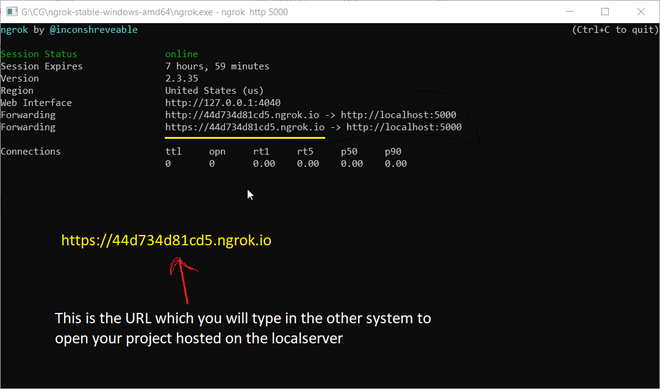
Accessing Locally Hosted Sites is simple. Open your web browser. Type “localhost” in the address bar. Your site appears. Try different browsers for better results. Check if images load correctly. Ensure links work as expected. Test all pages. Make sure everything displays properly.
Identifying and Resolving Errors can be tricky. Look for error messages on your screen. These messages help you fix problems. Check your code for mistakes. Ensure all files are in the right place. Missing files cause errors. Double-check your server settings. Wrong settings lead to issues.
Performance Testing helps you know your server speed. Use online tools to test loading times. Slow websites frustrate users. Optimize images for faster loading. Reduce file sizes for better speed. Ensure your server handles multiple users. Test under different conditions. Speed matters for a good experience.
Maintaining Your Local Server
Keeping your server software up-to-date is very important. New updates fix bugs and keep your server safe. Always check for the latest patches. They close security holes. Install them as soon as they come out. Your server will run better and stay protected from hackers.
Watch how your server is doing. Use tools to check the performance. Look at the CPU and memory usage. If it is too high, the server is working hard. Maybe too hard. You might need to upgrade your hardware or software. This keeps the server running smoothly.
Back up your data often. This protects your files from loss. Use a backup schedule. Store copies in different places. If something goes wrong, recovery is easy. You can get your data back fast. This keeps your server running without problems.
Troubleshooting Common Problems
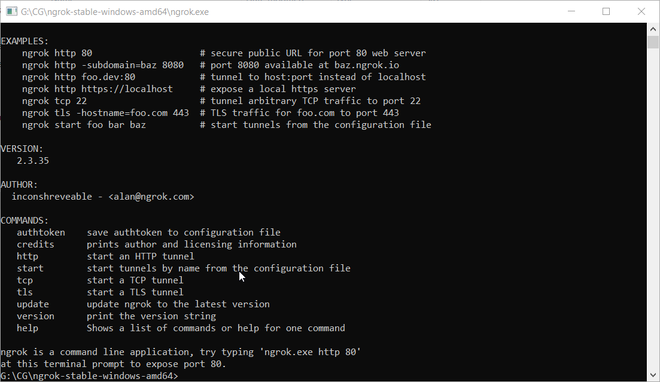
Connection troubles might happen with a local web server. Check if your computer is online. Make sure the network settings are correct. Try restarting the router for better results. Look at the firewall settings; they might block connections. Use a different browser to test the connection. Sometimes browser settings can cause problems.
Software conflicts can cause headaches. Verify if other programs use the same port. Ports are like gates for data. Change the port number if needed. Look at the server logs for error messages. Error logs provide clues about problems. Check if your software is updated. Updates fix bugs and improve performance.
Security is very important. Weak passwords can lead to attacks. Use strong passwords for protection. Make sure your server software is updated. Updates fix security holes. Limit access to the server. Only authorized users should have access. Enable firewalls for extra safety. Firewalls block unwanted traffic.
Credit: www.geeksforgeeks.org
Frequently Asked Questions
How To Host A Website In A Local Server?
Install a local server software like XAMPP or WAMP. Create a folder for your website files. Place your website files in the designated folder. Start the local server and open a browser. Type “localhost” or “127. 0. 0. 1” in the address bar to view your website.
Can I Host My Own Website Server?
Yes, you can host your own website server. You’ll need a computer, stable internet, and software. Ensure your internet connection has sufficient bandwidth. Regular maintenance and security updates are crucial. Hosting your own server offers control and customization but requires technical expertise.
Consider professional hosting for less hassle.
How Do I Host My Own Local Server?
To host a local server, install server software like Apache or Nginx. Configure settings in the software’s files. Ensure your firewall allows traffic on necessary ports. Test the server using localhost in a browser. Make sure your computer stays on to maintain server access.
How To Run A Localhost Website?
Install a local server software like XAMPP, WAMP, or MAMP. Place your website files in the server’s root directory. Start the server and access your site via a web browser using “localhost” or “127. 0. 0. 1”. Adjust settings as needed for database connections and configurations.
Conclusion
Setting up a local web server is easier than you think. Start with choosing the right software for your needs. Follow the installation steps carefully. Configure settings to match your project requirements. Test your server to ensure it’s working properly.
Explore coding and design possibilities. Practice regularly to improve your skills. Hosting locally gives you control and flexibility. Troubleshoot issues patiently. Learn from online resources and communities. Keep your server updated and secure. Enjoy experimenting and creating. Hosting locally offers a great way to develop and test your web projects in a controlled environment.
Happy hosting!