
Are you ready to launch your website but feeling overwhelmed by the technicalities of web hosting? You’re not alone.
Navigating the world of web hosting can seem daunting, especially when you’re bombarded with jargon and endless options. But fear not. This guide is designed with you in mind, cutting through the noise to deliver clear, simple steps on how to get a web hosting server tailored to your needs.
Imagine having the confidence to choose the perfect host, ensuring your site runs smoothly and efficiently. Keep reading to discover how you can turn this vision into reality, unlocking the secrets to a successful online presence.

Credit: www.hostinger.com
Types Of Web Hosting
Shared hosting is when many websites use one server. It’s cheap and good for small sites. But, if one site gets busy, others may slow down. Security is shared too, so it’s less secure.
VPS hosting gives a slice of a server to you. It’s more powerful than shared hosting. You get more control and better security. Great for growing sites needing more space.
Dedicated hosting means the server is all yours. It’s very fast and secure. Perfect for big websites with lots of visitors. But, it costs more than other types.
Cloud hosting uses many servers together. It’s flexible and can handle lots of traffic. If one server fails, others keep your site online. Good for sites with changing visitor numbers.
Choosing The Right Hosting
Think about what your website needs. Some sites need lots of storage. Others need speed. Know what your site needs. Choose a hosting plan that fits those needs. A small blog may need less. A big store needs more. Always plan ahead.
Money matters when choosing hosting. Look at your budget. Hosting prices vary. Cheap plans give basic features. More money gives more tools. Decide what’s important. Never spend more than you can afford. Balance cost and need.
Know your site’s traffic. More visitors need more resources. Think about future growth. Shared hosting is good for low traffic. Dedicated servers handle high traffic. Choose what matches your visitor count. Plan for busy times. Avoid slowdowns.
Key Features To Look For
Storage is where your website files live. More storage means more files. Bandwidth is how much data can travel. A site with lots of visitors needs more bandwidth. Choose a host with ample storage and bandwidth. This ensures smooth performance and happy users.
Websites should be always available. Uptime is the time your site is live. A good host offers high uptime. Look for at least 99.9% uptime guarantee. This means your site is rarely down. More uptime means more visitors can see your site.
Help is important if something breaks. Good hosts offer 24/7 customer support. They answer questions any time of day. Support can be via chat, email, or phone. Look for hosts with friendly and quick help. This ensures problems are solved fast.
Websites need to be safe from hackers. A good host has strong security features. Look for SSL certificates, firewalls, and malware protection. These keep your site and data safe. Security features protect both you and your visitors.
Domain Name Registration
The domain is your website’s name. It should be easy to remember. Use words that people can spell. Short names are better. Check if the domain is free. Use tools online to search. Avoid numbers or dashes if you can. They can be confusing.
Once you pick a name, you must register it. Choose a trusted domain registrar. They help you buy your domain. You will need to provide your details. Pay for the domain. You can usually pay for one year or more. Registering early is smart. Someone else might take the name.
Your info is public after you register. This means people can see your name and address. Domain privacy protection can help. It hides your details from the public. Consider this for safety. It may cost extra, but it can keep you safe. Check if your registrar offers this service.
Setting Up Your Hosting Account
Select a host with good reviews. Check their uptime and support options. Compare prices and features. Know your needs. Choose a provider that fits those needs.
Find a plan that matches your budget. Choose a plan with enough storage and bandwidth. Look for a plan with a money-back guarantee. Make sure you can easily upgrade.
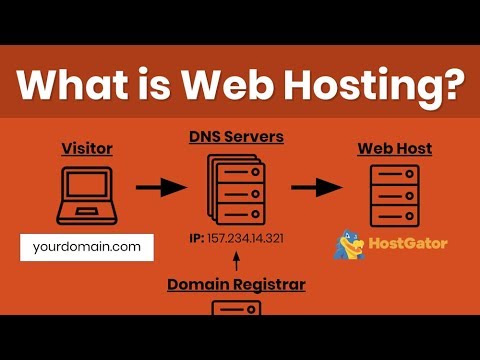
Log into your hosting account. Find the DNS settings. Update them to point to your server. This connects your domain to your website. Ensure changes are saved. Wait for changes to take effect. This can take up to 48 hours.
Credit: www.youtube.com
Installing Essential Software
A Content Management System (CMS) helps you manage your website. It makes adding and changing content easy. Popular CMS options include WordPress, Joomla, and Drupal. These systems are user-friendly and customizable. You can pick themes and plugins. This enhances the look and function of your site. Always update your CMS for safety. New updates fix bugs and add features.
Databases store all your website information. Common databases are MySQL and PostgreSQL. They work well with most CMS platforms. You need to install a database before setting up a CMS. This ensures that all content saves correctly. Make sure your database is secure. Use strong passwords and regular backups.
An SSL Certificate keeps data safe. It encrypts information between the server and users. This is important for any website. It builds trust with visitors. HTTPS in the web address shows the site is secure. You can get SSL certificates from many providers. Some hosting services offer free SSL certificates. Always ensure your SSL is active and updated.
Managing Your Server
Control Panel Usage helps you manage your server easily. It’s like a remote control for your server. You can change settings and add new features. Keep your control panel password safe. Always log out when done. Look for guides online to learn more about your control panel. Simple tips make your server work better.
Backup Strategies protect your data from loss. Always save copies of important files. Use different places to store backups. Some people use cloud services. Others use external hard drives. Regular backups keep your data safe. Set a schedule for backups. This way, you won’t forget.
Monitoring Performance is important for a fast server. Check your server’s speed often. Look for problems that slow it down. Use tools to see how your server performs. Fix issues quickly to keep users happy. A fast server is a good server.

Credit: www.hostinger.com
Troubleshooting Common Issues
Sometimes, websites don’t load. This could be a connection problem. First, check your internet. Make sure it’s working. Next, restart your modem and router. This helps sometimes. If the problem stays, contact your hosting provider. They might have server issues. A good host will help quickly.
Slow websites are frustrating. They make users leave. Check your website speed. Use online tools like Google PageSpeed. Optimize images and compress files. Also, remove unnecessary plugins. These can slow down your site. Fast websites make users happy.
Security is important. Websites can get hacked. Use strong passwords. Change them often. Install security plugins. They protect your site. Always update your software. This fixes bugs. Backup your data regularly. In case of a breach, you can restore it. Stay safe online.
Frequently Asked Questions
How Do I Get A Server To Host My Website?
Choose a reliable web hosting provider and select a suitable hosting plan. Register a domain name. Set up your account with the provider. Upload your website files using a control panel or FTP. Ensure your website is configured correctly for optimal performance and security.
How Much Does A Hosting Server Cost?
Hosting server costs range from $3 to $300 monthly. Shared hosting is cheaper, while dedicated hosting is pricier. Choose based on your website needs and budget. Consider factors like bandwidth, storage, and support. Compare providers to find the best value for your money.
Can I Create My Own Web Hosting Server?
Yes, you can create your own web hosting server. It requires technical expertise, hardware, software, and reliable internet connection. Consider security, server management, and backup solutions. Ensure compliance with hosting regulations and maintenance tasks. Many opt for professional hosting services to simplify these processes.
Can I Host A Web Server For Free?
Yes, you can host a web server for free using platforms like GitHub Pages, Netlify, or Vercel. These services offer free plans with limitations on bandwidth and features. They are suitable for small projects, personal websites, or learning purposes. Remember to check each platform’s terms and conditions.
Conclusion
Choosing a web hosting server seems tough, but it’s manageable. First, assess your website needs. Then, compare different hosting types. Shared hosting works for small sites. VPS fits medium-sized sites. Dedicated servers suit large websites. Check server reliability and security.
Examine support services. Read customer reviews. Budget matters, but prioritize quality. Good hosting boosts website performance. It enhances user experience. It drives more visitors. Hosting impacts your online success. Make informed choices. Ensure your website runs smoothly. A reliable host is key.
With careful selection, your website thrives. Enjoy a robust online presence.


