
Have you ever dreamed of running your own web hosting company? Imagine being the go-to person who powers websites and businesses online, helping others achieve their digital dreams.
Starting a web hosting company might sound daunting, but with the right knowledge and tools, it can be a rewarding venture. In this guide, you’ll discover step-by-step strategies to launch your hosting business successfully. We’ll uncover the secrets to choosing the right infrastructure, securing your services, and attracting your first clients.
By the end, you’ll be equipped with everything you need to turn your dream into reality and carve your niche in the digital world. Dive in, and let’s unlock the potential of your web hosting company together!
Market Research
Understanding your target audience is key. Who will use your services? Beginners, small businesses, or large companies? Each group has different needs. Beginners might need easy setup. Businesses look for reliability and security. Survey potential users. Ask them what they need. Their answers will guide your strategy.
Study your competitors closely. What services do they offer? How do they price their plans? Find their strengths and weaknesses. Offer something unique that stands out. Maybe faster support or better pricing. Knowing your competitors helps you position your company smartly.
Trends change fast. Stay updated. Read industry reports. Follow tech blogs. Are there new technologies emerging? Is cloud hosting becoming more popular? Adapt your services to meet new demands. Being aware keeps your business relevant and competitive.
Business Plan
Setting business goals is important. These goals guide your company. Goals should be clear and achievable. Think about what you want in 1 year. Think about 5 years too. Write down your mission and vision. Your mission is what you do. Your vision is what you want to become. Use short and simple words. Everyone in the team should understand.
Financial planning keeps your money safe. Start with a budget. Know how much you can spend. Keep some money aside for emergencies. List all your expenses. Include rent, salary, and bills. Look for ways to save money. Invest in good tools and technology. This helps your company grow. Track your money every month. Adjust your plan if needed.
A good marketing strategy attracts customers. First, know your target audience. Who will buy your service? Use simple ads to reach them. Social media is a great tool. Share useful content on your website. People like to read helpful tips. Offer special deals to new customers. This can make them happy. Happy customers tell others. This grows your business.
Legal Requirements
Starting a web hosting company needs proper business registration. Choose a business name. Register it with the local government. This makes your company official. It helps with taxes and legal matters. You may need a lawyer for advice.
Some areas need special licenses and permits for web hosting. Check local rules. Contact your city’s business office. Ask what permits you need. This keeps your business legal and safe.
Web hosting companies must follow regulations. Protect customer data. Follow data privacy laws. Stay updated on changes in laws. Failing to comply can lead to fines. Always keep customer trust by being secure.

Credit: www.hostingseekers.com
Technical Infrastructure
Start with choosing the right servers. They must be fast and reliable. Think about the storage and processing power. This is vital for good performance. Cloud servers can be a good choice. They offer flexibility and scalability. You can add more power as you grow.
A secure and efficient data center is key. It should have good cooling systems. This keeps the servers cool. Power backups are also important. They keep servers running during power cuts. Location matters too. A center closer to clients can reduce latency.
Network security is crucial. Protect servers from threats. Use firewalls and antivirus software. Keep them updated. Regular security audits help find weak spots. Train staff about security. This can stop many problems. Encryption is also vital. It keeps data safe during transfers.
Service Offerings
Web hosting companies offer different types of services. Shared hosting is the most common. It is budget-friendly and suitable for small websites. VPS hosting gives more control and better performance. Dedicated hosting is for large businesses. It offers a whole server just for you. Cloud hosting provides flexibility and scalability. Websites can grow without downtime.
Companies use different pricing models. Monthly plans are popular and easy to understand. Annual plans often have discounts. Some offer pay-as-you-go options. This is good for cloud services. Tiered pricing gives more features as you pay more. Free trials help users test before buying.
Extra features can attract customers. SSL certificates keep data safe. Daily backups protect from data loss. 24/7 support solves issues anytime. Website builders help in creating sites easily. Custom email addresses make businesses look professional. Control panels like cPanel make management simple.
Customer Support
Customers need help in different ways. Support channels are key. Offer email, phone, and live chat. Make sure they are easy to use. Live chat is fast. Email is good for long questions. Phone is personal. Choose wisely.
Service Level Agreements (SLAs) set clear rules. They tell how fast you reply. They show what help you provide. SLAs build trust. Happy customers are loyal. Keep promises to them.
Training support staff is important. They must know your services well. Teach them to be kind. Give them tools to help. Happy staff make happy customers. Regular training is key. Skills must stay sharp.
Marketing And Branding
Building a strong brand identity is crucial. A memorable logo helps. It should be simple and unique. Use colors that stand out. Create a catchy slogan. It tells people what you do. Your brand should reflect your values. Make sure it is consistent everywhere.
Use online ads to reach many people. Social media is a great tool. Share helpful content often. This keeps your audience engaged. Email newsletters are useful too. They keep customers informed. SEO helps people find you online. Use keywords wisely.
Working with others can help. Find companies that share your goals. Partnering with them expands your reach. Collaborate on projects. This creates value for both sides. Joint events can also attract more customers. Sharing resources is smart. It saves money and time.
Launch Strategy
A soft launch lets you start small. You test your services with a few users. This helps you find problems early. A full launch means everyone can join. It brings more users and excitement. Choose wisely. Each has its own benefits.
Create a simple campaign to tell people about your company. Use easy words so everyone understands. Share your message on social media. Make sure your website is ready. People should find it useful and clear.
Listen to what users say. They give important feedback. Fix problems they mention. This helps make your service better. Keep track of all comments. Use them to improve your company. Happy users will tell others.
Growth And Expansion
Growing a web hosting company means more users. More users need more servers. Add servers to handle the load. Use cloud services for flexible scaling. This helps manage traffic spikes. Keep systems secure and updated. Downtime can upset customers. Regular checks prevent problems. Efficient scaling leads to happy clients.
Offer more than just hosting. Provide domain registration and website builders. Add email hosting and SSL certificates. This attracts different customers. Make sure each service is easy to use. Clear instructions are important. Customers love simple solutions. Diversifying makes your company more competitive.
Look for new places to offer services. Research local needs and trends. Translate the website for different languages. Offer local payment options. Understand cultural differences. Adapt services to fit local demands. Entering new markets grows your business. It opens doors to new opportunities.
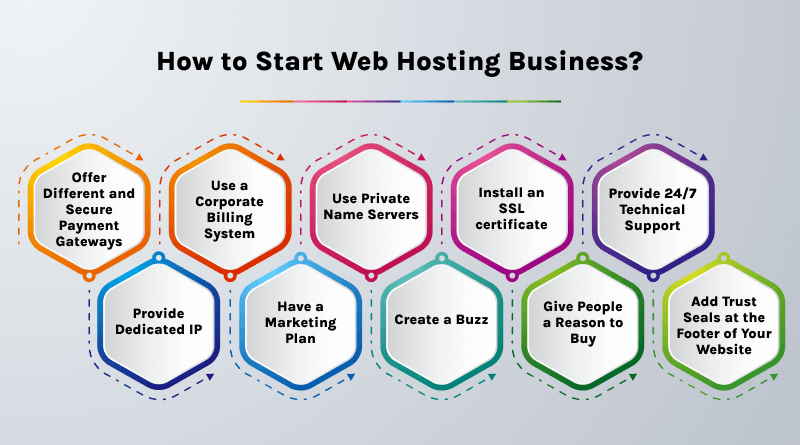
Credit: www.milesweb.in

Credit: m.youtube.com
Frequently Asked Questions
How Do You Start Your Own Web Hosting Company?
Starting a web hosting company involves selecting a niche, purchasing servers, and acquiring a domain. Create a website, set competitive prices, and offer excellent customer support. Ensure high security and reliability to attract clients. Invest in marketing strategies to grow your business effectively.
How To Make Own Web Hosting?
To create your own web hosting, set up a server with Linux OS. Install software like Apache, MySQL, and PHP. Configure domain names and security settings. Ensure reliable internet connection and power backup. Regularly update software and maintain server hardware for optimal performance.
Are Web Hosting Companies Profitable?
Yes, web hosting companies can be profitable. They offer essential services to businesses and individuals. With increasing online presence, demand for hosting grows. Effective cost management and competitive pricing boost profitability. Diversifying services like domain registration and website building tools enhances revenue streams.
Can I Be My Own Hosting Provider?
Yes, you can be your own hosting provider. Set up your own server, manage resources, and ensure security. This requires technical expertise, reliable hardware, and a stable internet connection. Consider the costs, maintenance, and potential downtime involved.
Conclusion
Starting a web hosting company is within reach. Planning is crucial. Understand your market and audience. Choose the right hosting services. Focus on reliable customer support. Marketing plays a big role. Build a strong online presence. Keep your website user-friendly.
Manage finances smartly. Monitor trends and adapt. Growth takes time and effort. Stay committed to your goals. Success follows persistence. Remember, every business faces challenges. Learn and improve constantly. Your dedication makes a difference. Launch your company with confidence. Seek advice when needed.
Enjoy the journey of entrepreneurship.


