
Switching web hosting providers can feel like a daunting task. You might worry about losing data, disrupting your website’s uptime, or dealing with complex technical challenges.
But here’s the truth: it doesn’t have to be a nightmare. By understanding the process and following some straightforward steps, you can make a smooth transition without breaking a sweat. In this guide, you’ll discover everything you need to know about changing web hosting services.
We’ll break down the process into simple, manageable steps, and share tips to ensure your website stays live and your data remains intact. By the end of this article, you’ll have the confidence and knowledge to make the switch effortlessly, ensuring your website continues to thrive. So, are you ready to find out how easy changing web hosting can be? Let’s dive in.
Evaluating Current Hosting
Website speed is very important. Slow sites can upset users. Downtime can hurt your site. It may cause you to lose visitors. Make sure your site loads fast. Check this often.
Changing hosts can cost money. Price should fit your budget. Look for hidden fees. Some hosts charge extra. Consider both short-term and long-term costs. This will help you plan better.
Good support is important. You need help when problems arise. Look for a host with 24/7 support. Fast responses are key. Read reviews about their support. This tells you how they treat customers.
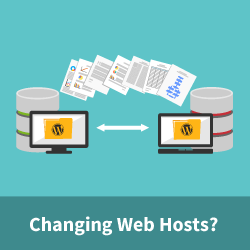
Credit: www.wpbeginner.com
Choosing A New Host
Switching web hosting can seem daunting but is often straightforward. Most providers offer tools for easy migration. Just ensure backups and compatibility for a smooth transition.
Researching Options
Many web hosting choices exist today. Each one offers different features. Look for uptime guarantee and customer support. Some hosts provide extra services. These include free SSL certificates and domain names. It’s essential to consider your website needs first. This helps in finding the right host.
Comparing Features
Compare storage space and bandwidth. More is better for bigger sites. Check for easy control panels. They help manage your site. Some hosts offer one-click installations. These are good for beginners. Also, see if they have backup services. This keeps your data safe. Choose a host that fits your needs best.
Reading Reviews
User reviews can be helpful. They show real experiences. Look for reviews on trusted sites. Avoid fake reviews. Read both good and bad opinions. This gives a full picture. Focus on common issues mentioned. They often highlight real problems. Reading reviews can guide your decision.
Preparing For Migration
Always back up your data. Use a reliable tool or service. This ensures no data loss during migration. Save files to a safe location. You might need them later. It’s a simple step. But very important.
Not all servers are the same. Some may not work with your site. Test compatibility with new host. Use tools provided by the host. This avoids problems after moving. Make sure everything works well. It’s crucial for a smooth switch.
You need login details for both hosts. Gather all credentials before starting. This includes usernames and passwords. Also, note any special keys. Keep them safe and ready. Having them handy saves time. Makes the process easier.
Migration Process
Transferring files involves moving your website’s data. This includes images, code, and other content. Use an FTP client for this task. Ensure all files are moved without errors. Double-check to avoid missing files. This step is crucial for a smooth migration.
DNS settings connect your domain to your new host. You must update the name servers. Point them to the new hosting provider. This change may take some hours. Wait patiently for it to propagate worldwide. Check DNS settings to ensure everything works.
Databases store important website information. Export the database from the old host. Import it to the new one. Update connection strings in your website’s code. This ensures your site connects to the database. Test the website after updates. Make sure all data displays correctly.
Post-migration Checks
Testing is important after moving web hosting. Check if all pages load. Make sure links work correctly. Inspect forms to see if they send data. Look for missing images or broken parts. Ensure scripts run smoothly. Check shopping carts for errors. Confirm login systems operate. Validate that databases connect properly. Review email functions to ensure delivery.
Keep an eye on your website’s speed. Observe how fast pages load. Track visitor numbers using analytics. Watch server response times. Check uptime statistics. Look for any slowdowns. Evaluate bandwidth usage. Monitor resource consumption. Review memory and CPU usage. Ensure optimal performance.
Problems may occur after migration. Identify common errors. Investigate logs for clues. Fix broken links. Correct permission issues. Resolve server configuration errors. Reconfigure domain settings. Adjust DNS records if needed. Seek help if problems persist. Ensure website runs smoothly.

Credit: www.greengeeks.com
Common Challenges
Changing web hosting can cause downtime. This means your site might not work for a while. Visitors cannot access your site. This can make users unhappy. Search engines might think your site is less reliable. This can affect your site’s rank. Planning is needed to reduce downtime. You need to be careful.
Data loss is a big worry when moving hosts. Files can disappear if not moved correctly. Backup all data before you start. This ensures safety. Important information must stay protected. Losing data can hurt your business. Be sure to keep copies safe. Check everything twice.
Technical problems can occur when changing hosts. Settings might not transfer well. Configuration issues can stop your site from working. This requires fixing. Make sure you understand the new host’s system. Support from experts can help. It is crucial to ask for guidance if unsure.
Tips For Smooth Transition
Plan your downtime wisely. Choose a time with few visitors. Late night is often best. Inform your users ahead of time. This avoids confusion. A clear notice builds trust. Keep the downtime short and precise. Every second counts. Quick transitions keep users happy.
Migration tools make tasks easy. They save you time. Automated tools handle data well. They reduce human errors. Many hosts offer these tools. Check your host’s support page. Follow their guides carefully. Step-by-step instructions help a lot. Use them for smooth transitions.
Experts make transitions easier. They know all tricks. They handle complex tasks. Hiring professionals saves stress. They ensure nothing is lost. Look for trusted providers. Read reviews first. A good choice avoids problems. Use them for peace of mind. Safe and secure.
Assessing Success
Switching web hosting can seem daunting. It involves transferring files, databases, and adjusting settings. With the right guidance, this transition becomes manageable and less stressful.
Improved Performance
Switching web hosting can boost website speed. Faster load times mean happy visitors. Search engines like speed. This can help your site rank better. A slow site can lose visitors. Quick loading keeps them on your page. Performance matters.
Cost Efficiency
Changing hosts can save money. Cheaper plans often offer similar features. Paying less for the same service is smart. It’s crucial to compare prices. Some hosts offer deals for newcomers. Saving on costs can free up funds. Use savings wisely.
Enhanced Support
Good support is vital. Hosts should be responsive and helpful. Problems happen. Quick support can fix them fast. Some hosts offer 24/7 help. Others only during business hours. Great support makes hosting easier. Choose hosts with strong support teams.
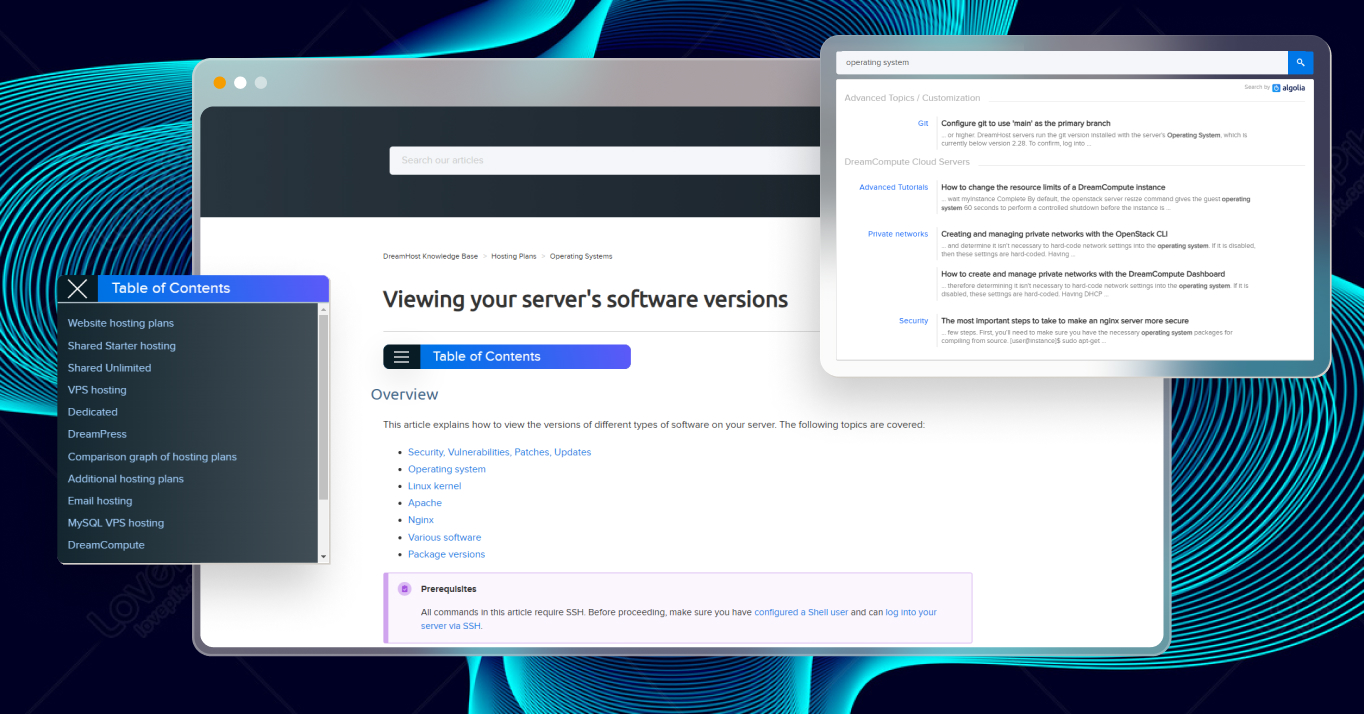
Credit: www.dreamhost.com
Frequently Asked Questions
How Hard Is It To Change A Website Host?
Changing a website host can be challenging but manageable. Plan carefully, backup data, and follow steps. Migration tools simplify the process. Choose a reliable host for smoother transition. Ensure DNS settings are updated correctly. Seek professional help if needed. Test your website post-migration for functionality and performance.
Can I Change My Web Hosting Company?
Yes, you can change your web hosting company. First, research new hosts and plan the migration process. Transfer your website files, databases, and domain name. Update DNS settings to point to the new host. Finally, test your website to ensure everything works smoothly.
Choose a reliable provider to avoid future issues.
Can I Transfer My Website From One Host To Another?
Yes, you can transfer your website to a new host. Backup your files and database, then upload them to the new host. Update your domain’s DNS settings to point to the new server. Ensure all configurations are correct to maintain functionality.
Consult your new host’s support for assistance if needed.
How Long Does It Take To Change Website Hosting?
Changing website hosting typically takes 24 to 48 hours. The process involves domain propagation and data transfer. Ensure all files and databases are backed up before starting. Choose a reliable hosting provider to minimize downtime. Always check your website’s functionality post-migration to ensure everything works correctly.
Conclusion
Switching web hosting isn’t as daunting as it seems. Follow the right steps. Prepare ahead, and the process becomes smoother. Keep backups of your website data. Choose a reliable new host. Transfer your files and settings carefully. Test your website thoroughly before launching.
Stay patient and focused during the transition. Support from your new host can be invaluable. Take your time to understand each step. Your website will be up and running efficiently. Feeling accomplished, you’ll be ready for new challenges. The effort brings peace of mind, knowing your site is secure.


