
Have you ever wondered what happens behind the scenes when you type a website’s name into your browser? It’s fascinating to think about how a simple domain name transforms into a fully functioning website.
Understanding the basics of domain registration and web hosting can seem overwhelming at first, but it’s essential for anyone looking to establish an online presence. Imagine having your own virtual real estate, a unique corner of the internet that’s all yours.
This is what domain registration offers you—a unique name that people can use to find you online. But a domain name is just the beginning. To make your website accessible and visible to the world, you also need a reliable web hosting service. Think of web hosting as the foundation of your online home; it provides the space and support needed for your website to thrive. By the end of this article, you’ll gain a clear understanding of how domain registration and web hosting work together to bring your website to life. Get ready to demystify these crucial elements and take control of your online presence.
Domain Registration Process
Picking a domain name is a fun task. It should be unique and easy to remember. Think about what your website is about. Use simple words that describe it well. Short names are better. They are easy to type and say. Always avoid numbers and special characters. They can confuse people.
Before you choose, check if the name is free. Many tools online can help. Just type the name you want. The tool will tell you if it’s taken. If it is, don’t worry. Try different words or combinations. Make sure the name is perfect for you.
After finding a free name, register it. You need a registrar for this. A registrar is like a store for domain names. You pay them to keep your name safe. They make sure no one else can use it. Payment is usually yearly. Always remember to renew your domain on time.
Types Of Domain Extensions
Top-Level Domains (TLDs) are the most common domain endings. These include .com, .org, and .net. They are easy to remember. Popular with businesses and organizations. Perfect for websites wanting a global reach.
Country Code Domains (ccTLDs) represent specific countries. For example, .uk for the United Kingdom and .de for Germany. Useful for targeting local audiences. Great for businesses that operate in specific regions. They show your site’s geographical identity.
Specialized Domains cater to specific industries or interests. Examples include .edu for educational institutions or .gov for government sites. They help in showcasing your niche or field. Ideal for branding and identity. These domains stand out and are unique.
Web Hosting Basics
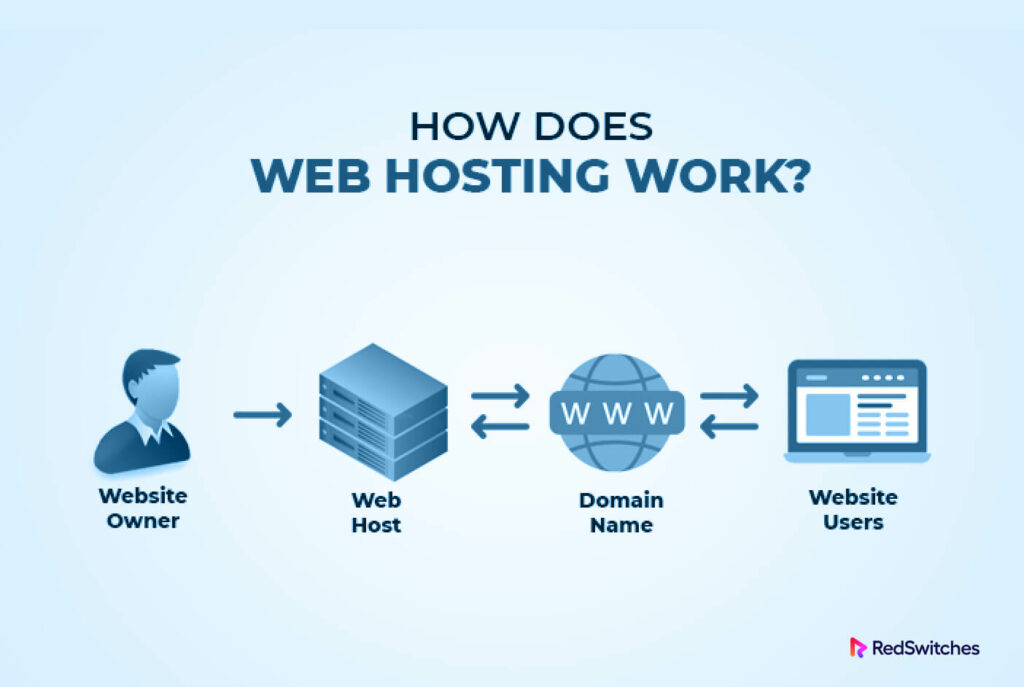
Web hosting is like renting space on the internet. It lets people see your website. Imagine you have a house. The house is your website. The land it sits on is your hosting. Web hosting stores your website’s files. It also helps show these files to visitors. Without hosting, your site won’t be online. It is a must for every website owner.
There are different kinds of hosting. Shared hosting is like sharing a room with others. It is cheap but can be slow. VPS hosting gives you more space. It’s like having a small apartment. Dedicated hosting is like owning a house. You have all the space. It’s fast and powerful. Cloud hosting is flexible. It can grow with your needs. Choose the best type for your website.
Credit: levelup.gitconnected.com
Shared Hosting
Shared hosting is a budget-friendly option. It is great for small websites. Many users share one server. This makes it very affordable. Easy to set up and use. No technical skills needed. Hosting providers handle server maintenance. This allows you to focus on your site. Many plans offer a free domain. This adds value to your purchase.
Shared hosting has some limitations. You share resources with others. This can slow down your site. Traffic spikes can affect performance. Not suited for large, busy websites. Limited customization options. Some restrictions on software you can use. Security risks are higher. A problem on one site can affect others.
Dedicated Hosting
Dedicated hosting offers many benefits for websites. One major advantage is control. You can manage and customize the server fully. This means better performance and security. Websites load faster and stay safe from threats. Another benefit is reliability. No sharing with other websites. This reduces downtime and ensures smooth operation.
Considerations are important when choosing dedicated hosting. Costs can be high. It requires technical knowledge. You need to manage the server yourself. It might not be suitable for all businesses. Think about your budget and skills.
Credit: websiteprofitcourse.com
Virtual Private Server (vps)
A Virtual Private Server shares a single server. But each user has their own space. It acts like a mini-computer. It has its own operating system. You can install apps and software. It is like owning a small part of a big house. You have your own key to your room. No one else can enter without your permission.
VPS is different from shared hosting. In shared hosting, many users share the same space. It is like a dormitory. But in VPS, you have more control. Dedicated hosting is like owning the whole house. It costs more than VPS. VPS is a good middle choice. It offers better performance than shared hosting.
Cloud Hosting
Scalability in cloud hosting is like a growing tree. As needs grow, resources can grow too. This means adding more space or power is simple. No need to buy new machines. You can adjust as needed. This helps if your website gets busy quickly. You can handle more visitors without trouble.
Security in cloud hosting is very important. Your data stays safe with special locks and guards. These are called encryption and firewalls. Cloud hosting companies use them to keep your data secure. It’s like having a strong door and alarm for your house. Your files stay private and protected.
Choosing The Right Hosting Provider
Reliability is key. Your website should be available all the time. Speed matters. Fast websites keep visitors happy. Look for storage space. More space means more content. Bandwidth is important. More bandwidth handles more visitors.
Security should be strong. Protect your site from bad guys. Backup options are helpful. Regular backups save your data. Customer support should be available. Help when you need it.
Budget is crucial. Know how much you can spend. Pricing plans vary. Choose what fits your needs. Hidden fees can surprise you. Read the fine print. Renewal costs may be higher. Check renewal rates.
Value for money is important. Compare features with costs. Discounts can save money. Look for deals. Payment options should be convenient. Pay in a way that suits you.
Domain And Hosting Integration
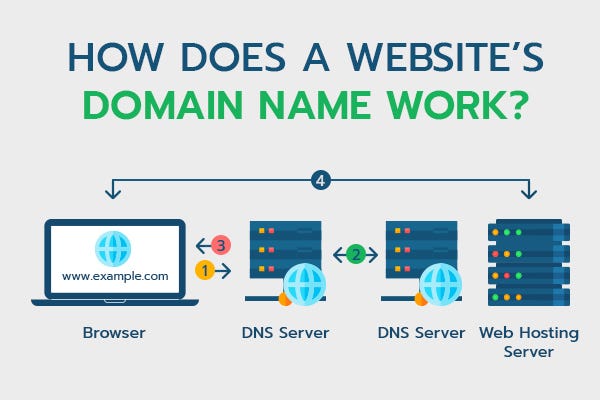
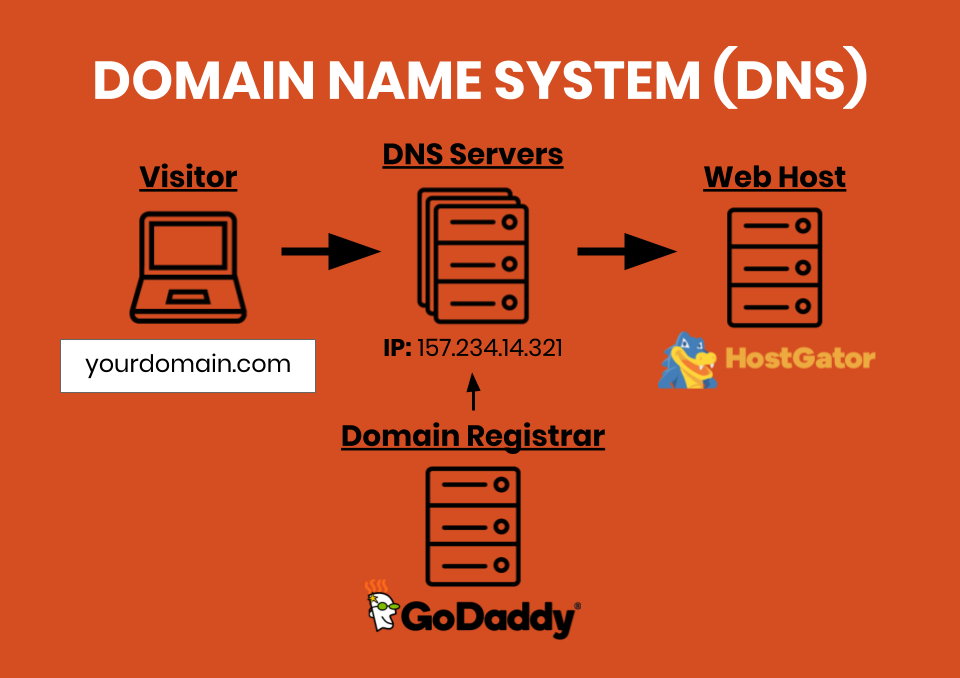
Domain names help people find websites. They are like street addresses. Web hosting stores the website’s files. These files are like the furniture in a house. Both are needed to build a website. Connecting them is important.
DNS settings link the domain to the hosting server. This is like a phone book. It tells browsers where to find your site. DNS records must be set correctly. Common types include A record and CNAME. A record points to an IP address. CNAME points to another domain.
Changing DNS may take time. Sometimes up to 48 hours. This wait is called propagation. During this time, updates spread through the internet. Websites may not work immediately. Patience is key during propagation.
Credit: ltheme.com
Frequently Asked Questions
How Does Domain And Web Hosting Work?
Domain names serve as your website’s online address. Web hosting stores your site’s files on servers. Visitors access your site by entering the domain, which points to the hosting server, displaying the website content. Both are crucial for a functional website.
What Is The Difference Between Domain Registration And Web Hosting?
Domain registration secures your website’s name. Web hosting stores your site’s data on servers. Both are essential for a functional website.
How Does Website Domain Registration Work?
Website domain registration involves choosing a unique domain name and registering it with a registrar. Registrars manage the reservation of domain names. You pay a fee to secure the domain for a set period. Once registered, the domain points to your website, making it accessible online.
Do I Need Web Hosting If I Have A Domain Name?
Yes, you need web hosting to make your website accessible online. A domain name alone only provides an address. Hosting stores your website’s files and data, allowing users to access your site. Both domain and hosting are essential for a fully functional website.
Conclusion
Understanding domain registration and web hosting is crucial. These elements form your website’s foundation. Domain names define your online identity. Web hosting stores your site’s data. Together, they enable your website’s functionality. Choosing reliable services ensures smooth operation. A well-maintained site attracts visitors.
Keep your domain and hosting secure. Regular updates help maintain performance. Always check for support options. Reliable assistance can save time. Proper management enhances user experience. Visitors appreciate fast and responsive sites. Stay informed about trends. Adapt to changes in technology.
Your site’s success depends on these essentials.


