
Have you ever wondered how many domains a web host can manage? Whether you’re launching a new website or expanding your online presence, understanding this aspect is crucial.
Picture yourself as a maestro orchestrating an online symphony, with each domain representing a unique instrument. Knowing how many instruments your conductor—the web host—can handle is essential for your masterpiece. You might think the more domains, the merrier. But hold on! It’s not just about the numbers; it’s about performance, reliability, and security.
Imagine if adding one more domain could enhance your business’s visibility or if juggling too many could lead to a crash. This article will help you uncover the secrets behind domain capacity and guide you in making informed decisions. Let’s dive in and discover how many domains your web host can truly host!

Credit: www.godaddy.com
Factors Affecting Domain Hosting
Server capacity is crucial for hosting many domains. A server with large capacity can host more domains. Limited capacity means fewer domains. It affects speed and performance. A strong server handles more traffic without slowing down.
Bandwidth is the amount of data that can be transferred. High bandwidth allows more data flow. More bandwidth means hosting more domains. Limited bandwidth restricts the number of domains. It can slow down websites if too many domains are hosted.
Web hosts allocate resources like CPU and RAM. More resources mean hosting more domains. Limited resources restrict domain hosting. Proper allocation ensures smooth website functioning. Overloaded resources can crash a website. Efficient resource use is essential for hosting many domains.
Types Of Hosting Plans
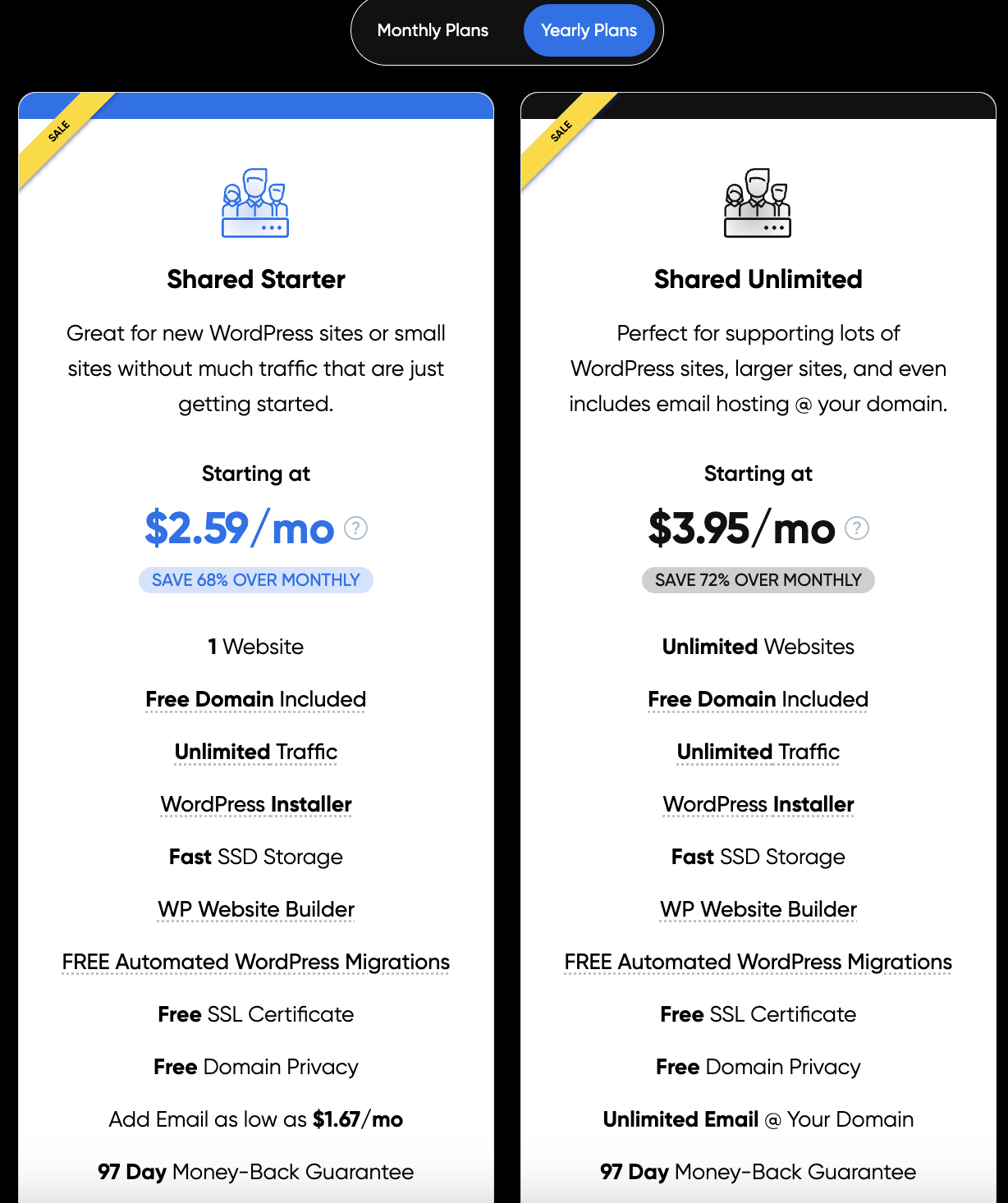
Shared hosting is very popular. Many websites share one server. This makes it cheap. But it can be slow if many sites are busy. It is great for small websites or blogs. The resources are shared among all users. This means less control over the server. Easy to use and setup. Ideal for beginners.
VPS stands for Virtual Private Server. It gives more control than shared hosting. A server is divided into several virtual servers. Each has its own resources. This means better performance. Costs more than shared hosting. Suitable for medium-sized websites. Users have root access to the server. More security than shared hosting.
With dedicated hosting, you get the whole server. This means high performance. No sharing with other websites. It is expensive. But offers full control over the server. Good for large websites with high traffic. High security and customization. Needs technical knowledge to manage.
Cloud hosting uses many servers. They work together as one. This means scalability. Add resources as needed. It is reliable. If one server fails, others help. Costs depend on usage. Good for growing websites. Offers flexibility and high uptime. Easy to handle traffic spikes.
Scalability And Growth
Web hosts offer different plans for users. Basic plans are good for small sites. As websites grow, they need more resources. Hosts let users upgrade plans easily. This helps sites handle more traffic. Large websites need more power. Upgraded plans give better performance. No need for big changes.
Load balancing helps websites work smoothly. It spreads traffic across servers. This stops any one server from getting too busy. Websites stay fast and reliable. More visitors can come without slowing down. Hosts use smart systems for load balancing. This makes sure websites stay up. Even with lots of visitors.
Future-proofing is about planning ahead. Hosts prepare for new tech needs. Websites get bigger. They need more storage and speed. Hosts offer updates and new features. These keep websites ready for changes. Users don’t worry about falling behind. Websites stay modern and efficient.

Credit: en.wikipedia.org
Performance Considerations
Evaluating how many domains a web host can manage affects site speed and reliability. Each domain demands resources. More domains can strain server capacity, potentially slowing down performance. Balancing domain numbers ensures optimal operation and user experience. Choose hosts wisely to maintain efficient site performance.
Speed And Uptime
A fast website is very important. Visitors leave slow sites quickly. Web hosts should offer fast loading times. Uptime means the site is always available. Good hosts promise 99.9% uptime. This means the site rarely goes down. Reliable uptime keeps visitors happy.
Security Measures
Security is key to protecting websites. Hosts must offer SSL certificates. These keep data safe. Firewalls block bad traffic. Backups are vital. They save your data if problems occur. Choose a host with strong security tools.
Technical Support
Technical support helps fix problems fast. Good hosts offer 24/7 support. This means help is always available. Support can be via chat, phone, or email. Fast response times matter. Choose a host that solves issues quickly.
Choosing The Right Web Host
Reviews show what people think about a web host. Good reviews mean users like the service. Bad reviews can mean problems. It’s smart to check ratings before choosing a host. A web host with a strong reputation is often reliable. Trust is important for online services. People often recommend hosts they trust.
Costs matter when picking a web host. Some hosts are cheap, but lack features. Others cost more, yet offer better value. It’s wise to compare prices and features. Look for packages that fit your needs. Spending more might get you better service. Balance price with what you get.
Good support helps solve problems fast. Hosts with 24/7 support are helpful. Look for hosts that offer chat, email, or phone support. Fast responses can save time. Helpful support makes users happy. Check what others say about support. Good support is crucial for smooth operations.
Real-world Examples
Large web hosts can manage thousands of domains. For example, HostGator handles over 9 million domains. GoDaddy is even bigger, hosting more than 77 million. These numbers show the vast scale of modern web hosting companies. Smaller hosts might manage hundreds or thousands of domains. Each company is different. The number of domains depends on their business size.
| Web Host | Number of Domains |
|---|---|
| HostGator | 9 million+ |
| GoDaddy | 77 million+ |
| Bluehost | 2 million+ |
These benchmarks help us understand web hosting capacity. Many factors affect these numbers. Company size, server power, and customer base are key. Knowing these can guide your choice of web host.
Credit: www.ryrob.com
Frequently Asked Questions
How Many Domains Are On One Hosting?
The number of domains on one hosting depends on your hosting plan. Shared hosting often allows multiple domains, while basic plans might limit it to one. Always check your hosting provider’s specifics to know the exact limit.
Do Web Servers Host Multiple Domains?
Yes, web servers can host multiple domains. They allocate resources to handle multiple websites efficiently. This setup is cost-effective and simplifies management. Hosting providers often offer plans for multiple domains. It’s a common practice for businesses and individuals to use one server for several websites.
Can You Host Multiple Domains On One Hosting Account?
Yes, many hosting providers allow hosting multiple domains on one account. This is called “addon domains. ” Check your hosting plan’s features to ensure support. Managing multiple domains under one account is cost-effective and convenient. Always verify with your hosting provider for exact capabilities and limitations.
Does Web Hosting Include Domains?
Web hosting generally does not include domains. Domains are usually purchased separately from hosting services. Some providers offer bundled packages with hosting and domain registration, but it’s not universal. Always check your hosting provider’s offerings to understand what’s included in their plans.
Conclusion
Choosing the right web host matters. Domain capacity impacts your site’s growth. More domains can mean better flexibility. But, careful evaluation is essential. Check the host’s performance and customer support. These factors ensure a smooth experience. Remember, bigger isn’t always better.
Quality can outweigh quantity. Plan your needs first. Then select a host that meets them. Consider future expansion too. Your site’s success depends on a reliable host. Secure your online presence wisely.


