
Are you dreaming of building a successful web hosting company? Imagine having the power to host thousands of websites, offering them a home on the internet.
You’re about to discover how to turn this dream into a reality. In this guide, you’ll find simple steps to start your own web hosting business, even if you’re not a tech expert. You’ll learn what you need, how to attract clients, and the secrets to scaling your company.
Dive in, and let’s transform your idea into a thriving business that can reshape the digital landscape. Don’t miss out on the opportunity to be at the forefront of internet innovation.

Credit: www.shoutmeloud.com
Market Research
Focus on who will use your services. Small businesses, bloggers, and e-commerce sites often need hosting. Look for patterns in their needs. Understand what they value most.
Check other companies in the market. See what they offer. Notice their strengths and weaknesses. Learn from their successes and mistakes. This helps you stand out.
Pricing is key. Look at what others charge. Think about your costs and profits. Offer plans that fit different budgets. Make sure your prices are fair and competitive.

Credit: verpex.com
Business Planning
Web hosting is about storing websites on servers. Choose between shared hosting or dedicated hosting. Shared hosting is cheaper. Dedicated hosting is faster but costs more. Decide your target market. Beginners need easy setup. Businesses need strong security. Offer different packages. Some need extra features. Others want basic plans. Balance cost and quality.
Clear goals keep you on track. Decide what you want to achieve. Milestones measure progress. Start small, then expand. Reach 100 clients in 6 months. Improve server speed by 20%. Increase uptime to 99.9%. Celebrate small wins. Adjust plans when needed. Stay focused on goals.
Financial projections are important. Estimate startup costs. Include server fees and marketing. Predict monthly income. Think about client growth. Consider unexpected expenses. Have a backup plan for tough times. Plan for profit after the first year. Keep checking your budget. Adjust numbers regularly. Be realistic about what you can earn.
Legal And Regulatory Requirements
Picking the right business structure is vital. Options include sole proprietorship, partnership, or corporation. Each structure has its own advantages and disadvantages. Sole proprietorship is simple. Partnership involves shared responsibilities. Corporation offers protection but is complex. Think about your needs before deciding.
Registering your business gives it a legal identity. Choose a unique name and check its availability. You may need a business license. This depends on your location. Follow the local rules to register. Keep all documents safe.
Web hosting has specific industry regulations. These ensure safety and quality. Study these rules carefully. You might need certifications or permits. Data protection laws are important. Stay updated on changes. Ignoring regulations can lead to penalties.
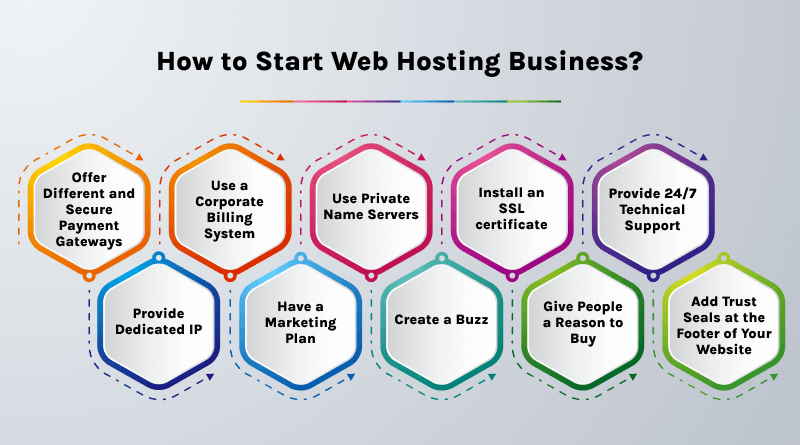
Credit: www.milesweb.in
Technical Infrastructure
Choose strong and reliable servers. They handle all your website data. Think about the amount of storage you need. Consider the speed of your server. Fast servers help websites load quickly. Ensure backup power is available. This keeps your server running during outages.
Pick software that is easy to use. It should help manage your servers. Linux is a popular choice. It is stable and secure. Some use Windows Server. It is user-friendly. Ensure the software has good support. This helps fix problems fast.
Security is very important. Use firewalls to block threats. Encrypt data to keep it safe. Regular updates prevent attacks. Use strong passwords for access. Train staff on security practices. This ensures everyone knows how to keep data safe.
Service Offerings
Shared hosting is a popular choice for beginners. Many websites share one server. This keeps costs low and makes it accessible. Performance might vary due to shared resources. It’s suitable for small websites or blogs. Easy to manage with user-friendly control panels. Offers basic features like email accounts and databases. Ideal for those with limited technical skills.
VPS offers more control than shared hosting. It provides a virtual server with dedicated resources. Enhanced performance and reliability for growing sites. Dedicated servers give full control over a physical server. Best for large businesses or high-traffic websites. Customizable options to meet specific needs. Scalability is available for future growth. Ideal for tech-savvy users needing more power.
Cloud hosting uses multiple servers. This offers flexibility and scalability. Resources adjust based on demand. Reliable uptime and performance. Suitable for sites with changing traffic levels. Pay for what you use, not what you don’t. Automatic backups and updates ensure data safety. Offers a balance between cost and performance.
Customer Support
Choose people who love to help others. Train them well. Support team should be friendly and patient. Make sure they know everything about your service. They need to solve problems quickly. Happy customers return. They tell their friends too.
A help desk system is important. It keeps track of customer requests. This helps the team work better. Tickets can be sorted by problem type. This saves time. Customers don’t like waiting. Fast help makes them happy.
Create a knowledge base. It is a library of answers. Customers can find solutions on their own. This reduces the load on the support team. Articles should be clear and simple. Add pictures if needed. This makes understanding easier.
Marketing And Branding
Starting a web hosting company involves strong marketing and branding strategies. Building a recognizable brand helps attract customers and establish trust. Effective marketing highlights unique services and competitive pricing, drawing attention in a crowded digital space.
Create Brand Identity
Building a strong brand identity is crucial for your web hosting company. Choose a name that is easy to remember. Design a logo that stands out. Make sure your colors are unique. Build a website that looks professional. Every detail matters. Customers should recognize your brand easily. Consistent branding builds trust. Trust leads to more sales.
Develop Marketing Strategy
Start with a clear marketing strategy. Know your target audience. Define your goals. Use simple methods to reach them. Email campaigns work well. Social media is powerful. Share helpful tips. Offer deals that attract attention. Measure what works and what doesn’t. Adjust plans as needed. Growth will follow careful planning.
Engage In Digital Marketing
Digital marketing is key. Use SEO to boost visibility. Write blogs with useful info. Make sure your website is easy to find. Ads can help too. Google and Facebook are good platforms. Connect with your audience online. Respond to comments and messages quickly. This builds relationships. Strong relationships lead to repeat customers.
Launch And Growth
Starting a web hosting company involves planning, acquiring servers, and creating a user-friendly website. Focus on customer support and reliable service to encourage growth.
Test And Launch Services
Start with a small group of users. They help test your services. Gather feedback from these users. Make improvements based on their suggestions. Ensure your servers are reliable. Check that all features work properly. Customer satisfaction is very important. It helps build trust.
Acquire Initial Customers
Offer special promotions to attract customers. Provide excellent customer support. Happy customers will tell others. Use online ads to reach more people. Create a simple website. Explain your services clearly. This will help people understand your offers.
Plan For Scaling
As your company grows, plan for more resources. Add more servers to handle traffic. Hire more staff for customer support. Monitor your growth regularly. Make adjustments as needed. Keep learning about new technologies. This will keep your company ahead.
Monitoring And Maintenance
Monitor performance of all servers daily. This ensures smooth running. Keep an eye on bandwidth and CPU usage. Watch out for slowdowns or crashes. Use tools to track server health. Catch problems early to avoid big issues.
Regularly update systems for security and speed. Install patches and updates promptly. Protect data from threats and bugs. Keep software and plugins current. This helps avoid breaches and downtime. Schedule updates during low traffic times.
Handle customer feedback with care. Listen to what users say. Their feedback helps improve service. Respond quickly to complaints or issues. Make changes based on customer needs. This builds trust and satisfaction. Happy customers stay longer.
Frequently Asked Questions
How Do You Start Your Own Web Hosting Company?
Begin by researching the web hosting industry. Secure servers and reliable software. Create a business plan. Register your business and set pricing models. Market your services effectively.
Is Web Hosting Profitable?
Web hosting can be profitable with effective strategies and competitive pricing. Success depends on market demand and quality service. Offering reliable hosting solutions and excellent customer support boosts profitability.
How Do I Get Started With Web Hosting?
Choose a reliable web hosting provider. Register your domain name. Select a hosting plan that suits your needs. Set up your website using a content management system. Ensure your site is secure and regularly updated.
How To Make Own Web Hosting?
To create your own web hosting, first set up a server with a stable internet connection. Install server software like Apache or Nginx. Secure the server using firewalls and regular updates. Configure DNS settings to link domains. Ensure 24/7 monitoring and maintenance for reliability.
Conclusion
Starting a web hosting company requires careful planning and dedication. Begin with research. Understand your target audience and their needs. Choose reliable hardware and software. Focus on providing excellent customer support. Build a strong marketing strategy. This will attract clients and establish trust.
Keep your pricing competitive. Offer flexible plans and services. Prioritize security and uptime to ensure reliability. Stay updated with industry trends. Innovate to keep your company growing. Remember, success depends on hard work and commitment. With the right steps, your web hosting business can thrive.


