
Are you dreaming of launching your own web hosting business but unsure where to start? You’re not alone.
Many aspiring entrepreneurs are drawn to the lucrative world of web hosting, lured by the promise of recurring revenue and the potential to scale. Yet, the path to success can feel overwhelming without the right guidance. This article will demystify the process, providing you with clear, actionable steps to get your web hosting business off the ground.
Imagine the satisfaction of seeing your first client sign up, knowing you’ve built something from scratch. With the right strategy, you can turn this dream into reality. Keep reading to discover how you can tap into this booming industry and build a thriving business that stands out. Your journey to success starts here.
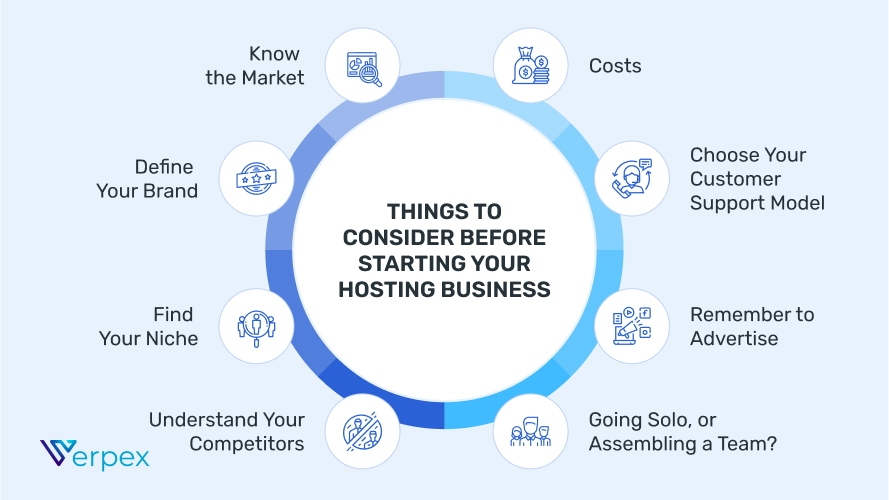
Credit: verpex.com
Market Research
Identifying your target audience is key. Who needs web hosting? Think about bloggers, small businesses, and online stores. These people need websites. Understand their needs. What features do they want? Cheap plans or fast servers? Knowing this helps you plan better.
Analyzing competitors is also important. Look at other web hosts. What do they offer? Check their prices. How do they attract customers? Read reviews. Find out what customers like or dislike. Learn from others. This helps you find ways to be better.
Business Plan
Creating clear and achievable goals is key. Start with what you want. Is it more customers or more income? Write these goals down. Make sure they are specific and measurable. This helps you track progress. Adjust goals if needed. Always focus on what matters most. Stay motivated and work hard.
Budget planning is very important. First, list all costs. Include server costs, software fees, and marketing. Next, decide how much money you have. Plan where each dollar goes. Avoid spending too much. Save some money for emergencies. Stick to your budget. This keeps your business safe.
Legal Considerations
Start by choosing a unique name for your business. Check if this name is already used. Then, register it with the relevant authorities. This makes your business official. You may need to choose a business structure like an LLC or corporation. Each structure has different benefits and responsibilities. Learn about them to decide which is best.
Laws vary by location. It’s important to know the rules in your area. Some countries have strict data protection laws. You must follow these to keep user data safe. Also, consider getting the right licenses and permits. This can help avoid legal issues. Always stay updated on any new regulations that might affect your business.

Credit: www.hostingseekers.com
Choosing Hosting Services
Starting a web hosting business begins with selecting reliable hosting services. Consider factors like server uptime, customer support, and pricing plans. These elements are crucial for attracting and retaining clients.
Types Of Hosting
Different types of hosting are available. Shared hosting is the most common. It’s cheap and easy to use. VPS hosting gives more control and power. It costs more than shared. Dedicated hosting offers a full server. This is best for big websites. Cloud hosting is flexible. It grows with your needs. Reseller hosting lets you sell hosting to others. Each type has its own benefits.
Selecting Providers
Choosing a hosting provider is important. Always check their reliability and uptime. This means your site stays online. Look for good customer support. You might need help. Check the pricing and plans. Make sure they fit your budget. Some providers offer extra features. These might be free backups or SSL certificates. Read reviews from other users. They can tell you about their experience.
Technical Infrastructure
Setting up a server is key in web hosting. Choose a reliable server provider. You need high-speed connections. Storage capacity is important. Ensure backup systems are in place. Your server must be secure and stable. Regular updates are necessary. Keep the software updated. This prevents downtime. Efficient servers give your clients confidence. A good server setup will boost performance. Choose the right hardware. Consider costs and benefits. Select a scalable solution. It should grow with your business.
Security is crucial for web hosting. Protect your server from attacks. Use strong firewalls. Implement encryption methods. Regularly update security patches. Monitor your systems. Detect unusual activities. Have a plan for data breaches. Protect client information. Use secure passwords. Change them often. Train your staff on security protocols. Make sure everyone understands safety practices. Security gives your clients peace of mind. They trust you with their data. Keep it safe and secure.
Pricing Strategy
Study your competitors. See what they charge. Offer a similar or better price. This helps you stand out. Check their features too. Do they offer extra services? Make a list of these. This helps you compare. Find gaps in their offerings. You can fill these gaps. Offer something unique. This makes your service special.
Show why your service is worth it. Highlight key benefits. Fast servers? Reliable support? Easy-to-use tools? Make sure people see these. Let them know what they get. Explain in simple words. People like services that solve problems. Make it clear how you help. This attracts more customers.
Marketing And Promotion
Starting a web hosting business involves careful planning and strategic promotion. Identify your target audience and create a user-friendly website. Offer competitive pricing and reliable customer support to attract customers.
Online Presence
Building a strong online presence is vital for your web hosting business. Create a simple and user-friendly website. Your website must be easy to navigate. Include clear information about your services. Use social media to connect with people. Share helpful content regularly. This attracts more visitors. Be active on platforms like Facebook and Twitter. Engage with your audience. Answer questions promptly.
Customer Acquisition
Getting new customers is important. Offer special promotions to attract them. Give discounts for first-time buyers. Provide excellent customer service. Respond quickly to inquiries. Satisfied customers will share their experiences. Word of mouth is a powerful tool. Encourage customers to leave reviews. Positive reviews build trust. Use email marketing to reach potential clients. Send newsletters with useful tips. Keep your messages short and simple.
Customer Support
Starting a web hosting business requires strong customer support. Addressing client concerns quickly builds trust and boosts satisfaction. This approach ensures smooth operations and enhances your reputation in a competitive market.
Support Channels
Different channels are needed for customer support. Email is a must. It’s simple and efficient. Live chat helps solve problems fast. It’s direct and quick. Phone support is also important. Some customers prefer talking. It’s personal and clear. Forums and FAQs help too. They provide quick answers. Customers like options. More channels mean better support.
Building A Support Team
A good team is key to success. Train your team well. They must know the product. Patience is important. Customers need time and care. Communication skills are essential. They should explain things clearly. Problem-solving is vital. Help customers with issues. Teamwork makes support stronger. Work together for the best service.
Scaling Your Business
Starting a web hosting business involves choosing the right server infrastructure and deciding on pricing plans. Offering reliable customer support and ensuring security are crucial for building trust. Researching market trends and understanding customer needs can help tailor services effectively.
Expanding Services
Adding new services can help your business grow. Consider offering domain registration along with web hosting. This gives customers more options. Another idea is to offer email hosting. Customers often need this service too. Think about providing website building tools. Many people want easy site creation. These extras can attract more clients.
Managing Growth
As your business grows, manage it carefully. Hire more staff to help with tasks. This ensures good customer service. Use software to track your work. It helps with organization. Keep an eye on your finances. Know where your money goes. Make sure you have enough resources. This includes servers and support. Planning well helps you handle growth smoothly.

Credit: verpex.com
Frequently Asked Questions
How Do You Start Your Own Web Hosting Company?
Start by researching the web hosting market. Choose a reliable server provider. Set up your website and hosting packages. Implement a secure billing system. Focus on marketing and customer support to grow your business.
Is Web Hosting Profitable?
Yes, web hosting can be profitable. Businesses demand reliable hosting services. Offering quality support and competitive pricing attracts clients. Diversifying services like domain registration and website design increases revenue.
How Do I Get Started With Web Hosting?
Choose a reliable web hosting provider to start. Select a plan matching your needs. Register a domain name. Set up your account and configure settings. Upload your website files and test its functionality.
What Are The Three Types Of Web Hosting?
The three types of web hosting are shared, VPS, and dedicated hosting. Shared hosting shares resources among users. VPS hosting offers virtual private servers for better control. Dedicated hosting provides exclusive server access for maximum performance and customization. Each type suits different needs and budgets.
Conclusion
Starting a web hosting business requires careful planning. Understand your target market well. Choose reliable hosting software and hardware. Create a user-friendly website. Offer excellent customer support. Keep your pricing competitive. Provide secure and fast hosting services. Promote your business through digital marketing.
Monitor industry trends regularly. Adapt to changes to stay ahead. Always aim for customer satisfaction. With dedication and smart strategies, your web hosting venture can thrive. Success comes with commitment and continuous improvement. Take the first step. Begin your journey today.


