
Have you ever wondered what happens behind the scenes when you visit a website? You might be surprised to learn that web hosting plays a crucial role in making sure those pages load seamlessly on your screen.
Understanding how web hosts work can unlock a treasure trove of knowledge, empowering you to make informed decisions for your online presence. Imagine having the confidence to choose the perfect web host, ensuring your website runs smoothly and efficiently. By diving into the mechanics of web hosting, you can gain insights into how your favorite websites operate and discover tips to enhance your own digital space.
Let’s unravel the mysteries of web hosting and see how it impacts your online experience.
Basics Of Web Hosting
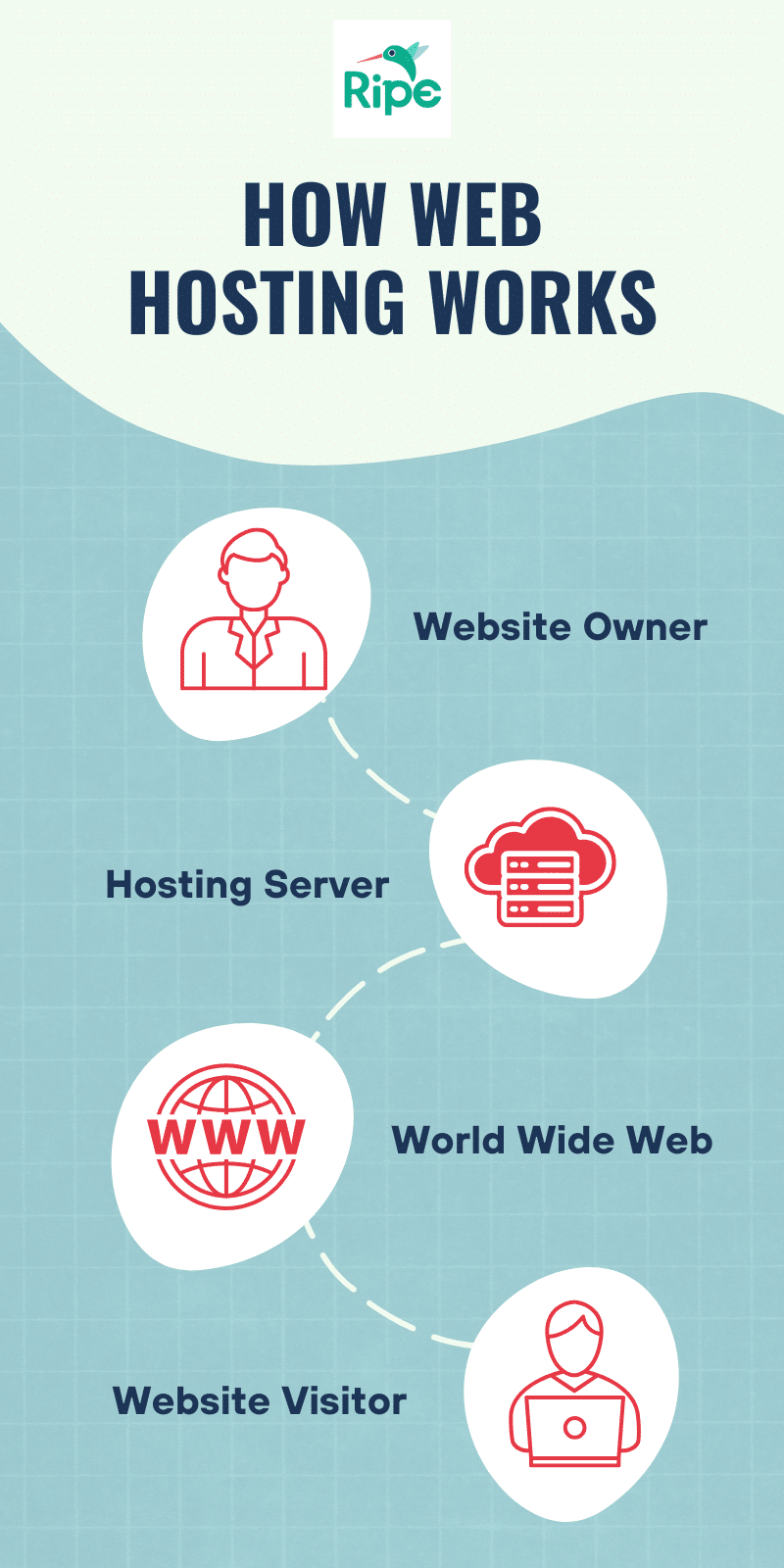
Web hosting is a service that makes your website live. It stores your website files on special computers called servers. When people type your website address, the host delivers those files to their browsers. This is how people see your site on the internet. Without hosting, your site can’t be online.
There are various types of web hosting to choose from. Shared hosting is where many sites use one server. It’s cheap and easy. VPS hosting offers more control and power. Each site gets its own part of the server. Dedicated hosting gives you a whole server just for your site. It’s expensive but powerful. Lastly, cloud hosting uses many servers together. It’s flexible and can handle lots of traffic.
Components Of Web Hosting
Servers are big computers. They store and send data. This data is your website. Web hosts use strong servers. These servers have fast processors. They also have lots of storage. Good web hosts use quality hardware. This hardware keeps your website safe. It also makes sure your site is always online.
Operating systems run the server. They help manage files. Linux and Windows are popular choices. Linux is very common. It’s often used for websites. Windows is also used. It can be good for some sites. Choose the one that fits your needs. Web hosts offer both options.
Control panels help manage your website. They are easy to use. cPanel and Plesk are famous control panels. These panels let you do many tasks. You can set up emails. You can add domains. You can also check site stats. Web hosts offer these panels. They make site management simple.
How Websites Are Stored
Web hosts store website files on powerful computers. These computers are called servers. Servers have large hard drives to keep all website data. When you visit a website, your computer talks to the server. It asks for the website files. Then, the server sends the files to your computer. This is how you see the website on your screen. Web hosts must manage these files carefully. They make sure files are safe and up-to-date.
Some websites need a database to work. A database holds lots of information. It could be names, emails, or orders. Web hosts connect websites to databases. They use special software for this task. This software helps websites talk to the database. It finds the needed information fast. This makes websites run smoothly. Without database integration, some websites could not function properly.

Credit: www.znetlive.com
Domain Name And Dns
Domain names are like addresses for websites. They help people find your site easily. Without a domain name, users would need to remember long numbers. These numbers are called IP addresses. Domain names make web addresses easy to read and remember. They can be bought from registrars. Every website has a unique domain name. This ensures no confusion online. Good domain names are short and simple. They match the site’s purpose or brand. This helps in attracting visitors.
DNS stands for Domain Name System. It acts like a phonebook for the internet. When you type a domain name, DNS converts it to an IP address. This process directs your browser to the correct server. Every time you visit a site, DNS plays a role. It ensures you reach the right place. DNS improves web browsing speed and accuracy. Without DNS, the internet would be hard to use. It is a vital part of web hosting. This system is reliable and fast.
Data Transfer And Bandwidth
Bandwidth is like a road. It shows how much data can travel. More bandwidth means more cars can go. Less bandwidth means fewer cars.
Websites need bandwidth. Big websites need more. Small websites need less. Bandwidth affects speed. Fast websites have more bandwidth. Slow websites have less.
Data transfer is how data moves. It moves from the server to the user. Servers store the data. Users ask for it. Data travels through cables. Or it travels wirelessly.
Web hosts help data move. They make sure data gets there. Fast and safe. Every user gets the right data. No matter where they are.
Credit: www.ripemedia.com
Security Measures In Web Hosting
Firewalls are like guards for websites. They stop harmful traffic. Only safe data gets through. Protection is key. Web hosts use strong firewalls. They help keep websites safe from attacks. Security is very important. Firewalls prevent unauthorized access. They block viruses and malware. This ensures the site’s safety. Websites with good firewalls are safer. Web hosts protect data with firewalls. They keep out the bad guys.
SSL certificates make websites secure. They encrypt data. Encryption means changing data into code. This keeps information safe from hackers. Web hosts provide SSL certificates. They ensure that data is private. SSL certificates show a lock symbol. Users know the site is safe. Trust is important for users. SSL certificates build trust. They protect sensitive information. Web hosts make sure sites have SSL certificates.
Technical Support And Maintenance
Web hosts manage servers that store websites, ensuring they run smoothly. They handle technical support and maintenance tasks. This includes updating software and fixing issues to keep sites online and accessible.
Customer Support Services
Customer support helps when problems happen. Web hosts offer help 24/7. Users can call or chat online. Friendly people answer questions. They fix issues fast. This keeps websites running well. Good support builds trust. Happy customers stay longer.
Regular Maintenance Tasks
Regular maintenance keeps websites safe and fast. Web hosts update software often. They fix bugs and add new features. This helps websites work better. Backups are also important. Web hosts save copies of websites. This way, nothing is lost if something breaks. Clean databases are crucial too. Web hosts remove old data to speed up websites. Regular checks prevent problems. Maintenance ensures everything runs smoothly.

Credit: www.hostinger.com
Choosing The Right Web Host
Understanding what your website needs is important. Traffic size affects hosting choice. Small sites need less space. Larger sites need more space. Check if you need shared or dedicated hosting. Shared is cheaper. Dedicated offers more control. Security needs are crucial. Websites with private information need strong security. Think about email accounts and databases. Some hosts offer many options. Others offer few. Storage and speed matter too. Fast sites keep visitors happy.
Many companies offer hosting. Compare their prices first. Some are cheap, some are not. Check their customer service reviews. Good service helps solve problems fast. Look at reliability ratings. Sites need to be up all the time. Features vary between hosts. Some offer free domain names. Others offer free backups. Ease of use is key. Simple setups save time. Scalability matters for growth. Choose hosts that grow with you.
Frequently Asked Questions
How Does Web Hosting Work?
Web hosting stores website files on servers, making them accessible online. Service providers manage server maintenance. Users access websites through domain names linked to these servers. Hosting packages vary by features, like bandwidth and storage. Choosing reliable hosting enhances site performance and security.
What Is An Example Of A Web Host?
An example of a web host is Bluehost. It offers reliable hosting services, including shared, VPS, and dedicated hosting. It supports WordPress, provides 24/7 customer support, and includes a free domain for the first year. Bluehost is popular for its user-friendly interface and competitive pricing.
Do I Really Need A Host For My Website?
Yes, a host is essential for your website. Hosting ensures your site is accessible online. It stores your website’s files and data, making them available to visitors. Without hosting, your website cannot function or be viewed by users on the internet.
Choose a reliable hosting provider for optimal performance.
How Much Do Web Hosts Charge?
Web hosting costs vary widely. Basic shared hosting starts at $3 per month. VPS hosting ranges from $20 to $100 monthly. Dedicated servers can exceed $100 monthly. Prices depend on resources, features, and provider reputation. Always compare plans for best value and ensure your needs are met.
Conclusion
Web hosts play a vital role in making websites accessible. They store your site on servers. These servers connect to the internet. This allows users to visit your site anytime. Choosing a reliable host is crucial. It affects your site’s speed and performance.
Keep your audience’s needs in mind. This helps in selecting the right hosting plan. Remember, a good web host supports your site’s growth. They provide essential tools and resources. Your website’s success depends on a stable hosting service. Ensure your host offers strong security features.
This protects your data and users’ information.


