
Have you ever updated your WordPress theme and felt a pang of regret afterward? You’re not alone.
Sometimes, the latest updates don’t live up to your expectations, or they clash with your site’s aesthetics and functionalities. The good news is, you’re not stuck with it. You can revert to your previous theme with a few simple steps.
Imagine the relief of seeing your old, reliable design back in place, without compromising the experience you’ve worked so hard to create. You’ll discover how to seamlessly go back to your previous theme, ensuring your site remains just the way you like it. Stick around, because the solution might be simpler than you think!
Reasons To Revert Theme Upgrade
Some upgrades can cause bugs in your site. New themes sometimes have missing features. Your favorite customization may disappear. Old themes are familiar and easy to use. New designs might confuse visitors. Some updates slow down your site. Website speed is important. Slow sites lose users. Old themes might work better with plugins. New themes might not support all plugins. This can break your site.
Reverting can solve many problems. This brings back comfort. You get back to a stable version. Security issues can arise with new themes. Old versions have tested security. Reverting ensures safety for users.

Credit: docs.themeisle.com
Backup Your Current Theme
Before changing themes, always backup your site. This protects your data. Use a tool to save everything. Save posts, pages, and settings. Keep the backup in a safe place.
Backup plugins are easy to use. They help save your site. Some popular ones are UpdraftPlus and BackupBuddy. Choose one plugin. Install it on your WordPress. Follow the steps to create a backup. Always keep your backups updated. This helps avoid data loss.
Accessing Theme Files
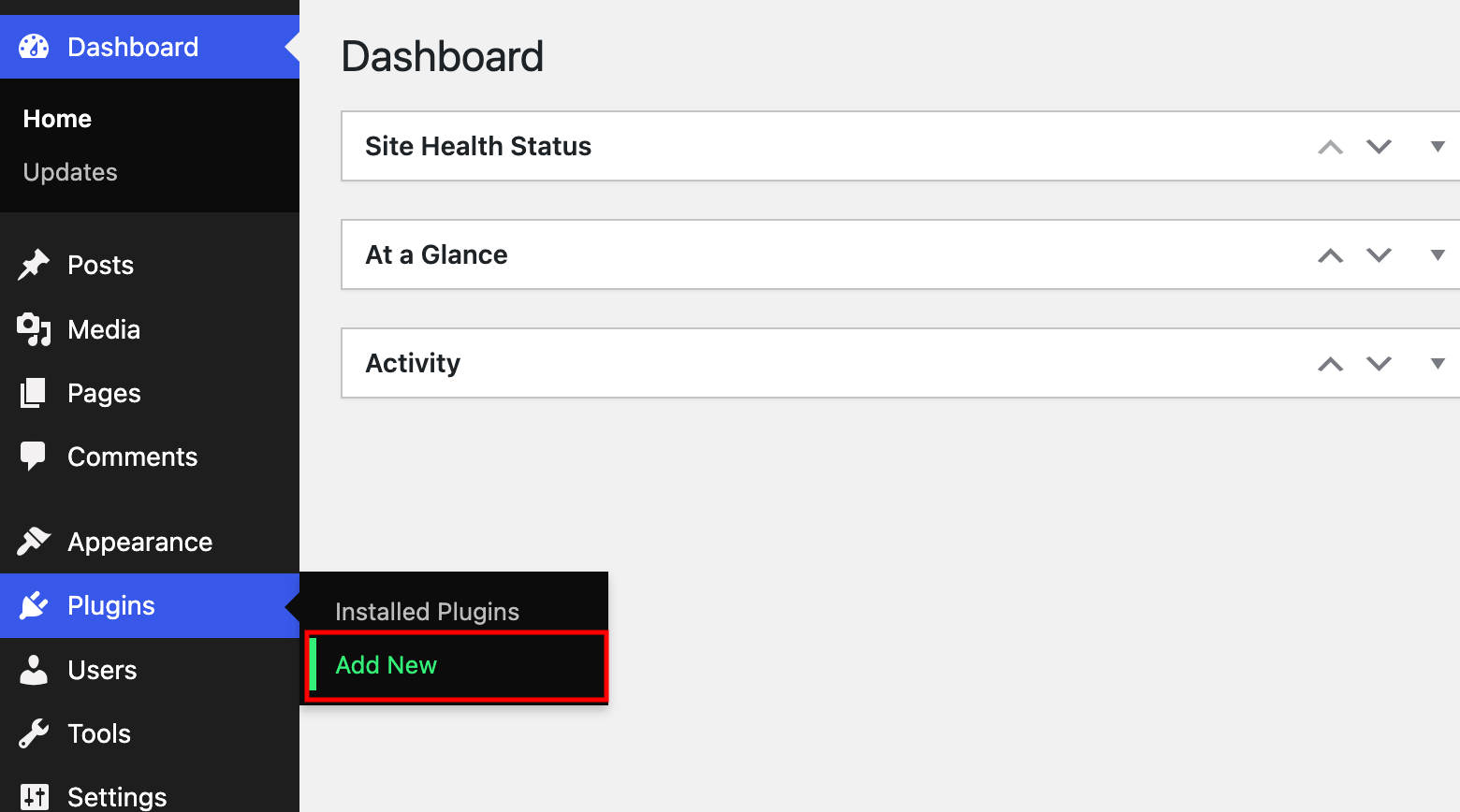
First, log into your WordPress dashboard. Find the Appearance tab on the sidebar. Click on it. You will see Themes. Select the theme you want to revert to. Click on Activate. Your website will change to the old theme. This process is simple. No technical skills needed. Always check your site after changes. Ensure everything looks good.
Open your FTP client. Connect to your website server. Locate the wp-content folder. Inside it, find the themes folder. Search for the old theme folder. Rename the active theme folder. Use the old theme name instead. This will change your theme back. Be careful when changing files. Mistakes can break your site. Back up your data first.
Credit: gutenberghub.com
Restoring The Previous Theme
Open your WordPress Dashboard. Click on Appearance then select Themes. Find your old theme in the list. Click on Activate. Your site will change to the old theme. If the old theme is missing, check the theme folder. Sometimes themes are removed or renamed. Restoring the old theme can solve many site issues. Ensure all settings are correct. This keeps your site running smoothly.
Use FTP software like FileZilla. Connect to your site. Navigate to wp-content/themes. Upload the old theme folder. Make sure the folder name is correct. Log in to your WordPress Dashboard. Go to Appearance, then Themes. Activate the uploaded theme. Check your site for errors. Fix any problems quickly. Manual upload is useful for missing themes. Keep backups of your themes. This helps in quick recovery.
Testing The Reverted Theme
Switching back to a previous WordPress theme is easy. Navigate to the ‘Themes’ section in your dashboard. Choose your old theme, then click ‘Activate’. This lets you test the reverted theme without losing your current settings.
Checking Site Functionality
First, check if the menu links work. Navigate through your website. Ensure each link leads to the correct page. Test the contact form. Make sure it sends messages. Check any login areas. See if users can sign in without issues.
Ensuring Design Consistency
Look at your website’s color scheme. It should match the old theme. Check the fonts. Ensure they are the same as before. Review images. They must display correctly. No parts should be missing. Verify the layout. It should be neat and not messy.
Troubleshooting Common Issues
Resolving Compatibility Problems can be tricky. Themes may not work with all plugins. This causes problems. Check if your plugins are up-to-date. Update them if needed. Some plugins don’t work with certain themes. Try disabling plugins one by one. This helps find the problem. If disabling a plugin solves the issue, contact the plugin maker. They may have a fix. Sometimes, themes need updates too. Check theme settings for updates. Updating themes can solve many problems.
Addressing Missing Features is important. Some features may disappear after upgrading themes. Check if your theme supports these features. Themes often change settings. Look in the theme options. Features might just be turned off. Turn them back on if needed. Sometimes, features move to new places in the theme. Explore new theme areas. If features are gone for good, consider using plugins. Plugins can bring back missing features. Search for plugins that match your needs. They might be the perfect solution.
Preventing Future Theme Issues
Always keep a backup. It’s important for safety. Backups help if things go wrong. You can save your site easily. Use plugins to make backups simple. Store them in safe places. Cloud storage is a good choice. Check backups often. Make sure they work. Restore a backup if needed. This keeps your site safe.
Updating themes is important. But it needs care. Always test updates first. Use a staging site for testing. This helps avoid problems. Read the update notes carefully. They tell what changes are made. Update plugins too. They work with themes. Always update regularly. This keeps your site smooth. Never skip updates. They fix bugs and add new features. Regular updates keep your site fresh.
Credit: elementor.com
Frequently Asked Questions
How Can I Revert A WordPress Theme Upgrade?
To revert a WordPress theme upgrade, first, ensure you have a backup. Access your WordPress dashboard, navigate to Appearance > Themes. Find the previous theme version and activate it. If unavailable, upload the older version manually via FTP or the WordPress admin panel.
Is It Safe To Downgrade A WordPress Theme?
Downgrading a WordPress theme is generally safe if done correctly. Ensure you have a recent backup to prevent data loss. Check compatibility with plugins and WordPress version. Test the site after downgrading to ensure everything functions properly.
Can I Restore My WordPress Theme Without Backup?
Restoring a WordPress theme without backup is difficult but possible. Use a theme rollback plugin to revert changes. Alternatively, download the previous theme version from the developer’s site. Manual restoration requires advanced skills, so proceed cautiously.
Do Theme Upgrades Affect Website Performance?
Theme upgrades can affect website performance positively or negatively. New features and optimizations may improve speed and functionality. However, incompatible changes might slow down the site. Always test performance after an upgrade and optimize settings if needed.
Conclusion
Switching back to a previous WordPress theme is simple. First, ensure you have a backup. Then, navigate to the theme settings. Choose the older theme from your saved options. Activate it with one click. Check your site for any issues.
Adjust settings if needed. Always keep a backup for safety. This prevents data loss. Enjoy the familiar look and feel of your favorite theme. Remember, keeping your website’s performance in mind is key. Regular updates are important. They enhance security and functionality.
Stay informed about theme updates. This ensures your site runs smoothly.


