
Are you intrigued by the booming world of web hosting and eager to carve out your niche in this thriving industry? Starting your own web hosting company might seem daunting, but it’s more achievable than you think.
Imagine being the backbone of countless online businesses, providing them with the essential services they need to thrive. By launching your own web hosting company, you’re not just starting a business; you’re becoming a key player in the digital world.
This guide will walk you through every step, making complex concepts easy to grasp. You’ll discover the secrets to setting up a successful hosting venture, from understanding the technical aspects to crafting a compelling business strategy. Stay with us as we unravel the mysteries of web hosting, and empower you with the knowledge to turn your ambition into a rewarding reality. Your path to becoming a successful web hosting entrepreneur starts here.
Credit: www.inmotionhosting.com
Market Research
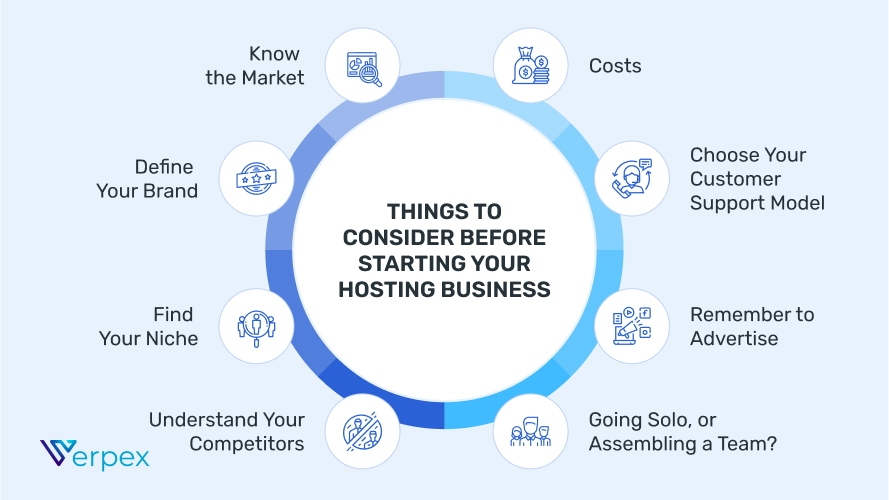
First, know who needs your web hosting services. Is it small businesses or bloggers? Maybe it’s tech-savvy people or big companies. Understanding their needs helps plan better. Ask yourself, what do they like? What do they need most? Find out and use this to make them happy.
Look at other companies like yours. See what they do well. Check their pricing and services. Are they fast? Do they have good customer support? Learn from their strengths and weaknesses. This helps you create a stronger business.
The web hosting world changes fast. Keep up with new trends. Is cloud hosting popular now? Are people looking for green hosting? Stay informed to offer what customers want. This makes your company more successful.
Credit: verpex.com
Business Plan Creation
Clear goals help guide your business. Decide what you want to achieve. Do you aim for a big client base or a niche market? Set short-term and long-term goals. Break them into smaller tasks. This makes them easier to manage.
Make a list of your expected costs. Include server fees and staff salaries. Calculate how much money you expect to make. This helps track your progress. Adjust your plan if needed. Always keep an eye on your budget.
Find ways to reach your audience. Use social media to spread the word. Email marketing can also be effective. Engage with your audience regularly. Make sure your website is user-friendly. A good experience keeps customers coming back.
Legal Requirements
Picking the right business structure is important. Common choices are LLC or Corporation. Each type has its own rules. Think about your needs and goals. The structure affects your taxes and liability. Consult a professional if unsure.
Registration makes your company official. Start by picking a unique name. Check if the name is free. Register with local government. Pay any required fees. After registration, you get a business number.
Hosting companies must follow specific rules. These rules protect users and data. Learn about data privacy laws. Understand how to handle customer information. Complying with laws builds trust with clients.
Technical Infrastructure
Launching a web hosting company requires a robust technical infrastructure. Reliable servers, secure data centers, and fast internet connections form the backbone. Invest in scalable solutions to accommodate growth and ensure seamless operations.
Select Reliable Hardware
Strong hardware is important for web hosting. Servers need to be fast and stable. Choose hardware with high performance and durability. This helps websites load quickly and stay online. Good hardware also handles more users at once. It is wise to invest in quality from the start.
Secure Data Centers
Data centers keep your servers safe. Pick centers with strong security measures. This includes guards, cameras, and fire protection. Security stops people from damaging or stealing your servers. A safe center keeps your data safe too. Good centers also have backup power. This helps during power cuts.
Implement Backup Solutions
Backup solutions are key for data safety. They save copies of your data. If something goes wrong, you can recover quickly. Use automatic backups for ease. Save backups in different places. This protects against data loss. It’s good to test backups often. Make sure they work well.
Choose Hosting Platform
Control panels help manage hosting tasks. cPanel and Plesk are popular choices. They offer easy navigation and many features. Beginners find them user-friendly. They help with website setup and email management. Check if they fit your needs before choosing.
Server software is key for hosting. Apache and Nginx are common. They handle web traffic and server requests. Apache is known for its flexibility. Nginx is fast and efficient. Choose one that suits your hosting plans.
Operating systems run your servers. Linux and Windows are main options. Linux is open-source and cost-effective. Windows supports ASP.NET applications. Decide based on your technical skills and project needs.
Pricing Strategy
Determine Pricing Models are crucial for success. Choose between subscription and pay-per-use. Subscription models offer steady income. Pay-per-use suits variable needs. Each model has pros and cons. Choose what fits your business best.
Offer Competitive Rates to attract customers. Research competitor prices. Set rates slightly lower. Ensure quality doesn’t suffer. Pricing should reflect value. Customers love a good deal.
Create Tiered Packages for flexibility. Offer basic, standard, and premium options. Different packages suit different needs. Basic for beginners, premium for experts. This approach widens your customer base. More choices mean more sales.
Marketing And Promotion
Starting a web hosting company requires strategic marketing and promotion. Establish an online presence with a user-friendly website. Highlight unique services to attract clients and build trust.
Build A Website
A website is your digital shop. Make it simple and clear. Include your services and prices. Use easy words. Add contact information. People need to find you. Your site should load fast. This helps keep visitors. Show happy customer stories. Good design attracts users.
Utilize Social Media
Social media is powerful. Share your website link on platforms. Post updates often. Engage with followers. Reply to comments. Use pictures and videos. Tell stories about your services. This builds trust. Join groups related to web hosting. Share tips. People love helpful content.
Engage With Seo
SEO helps people find you. Use keywords like “web hosting”. Add them to your site. Write blogs about hosting tips. Use simple words. Add links to your pages. More links mean better search rank. Optimize images on your site. Small images load faster. Fast sites rank higher.
Customer Support
Starting a web hosting company requires strong customer support. Quick, helpful responses keep clients happy and loyal. Offering 24/7 support can give your business an edge.
Establish Support Channels
Create easy ways for customers to contact you. Use email, phone, and live chat. Each method should be simple to use. Make sure your team can answer questions quickly. Quick help makes customers happy.
Train Support Staff
Teach your team how to help customers well. Training should cover common questions. Staff should know your products well. They should also be polite and friendly. Happy staff leads to happy customers.
Implement Feedback Systems
Ask customers what they think. Use surveys and feedback forms. Listen to what they say. Improve your service based on their answers. Feedback helps your company grow.
Scaling The Business
Keep a close eye on your business growth. Understand what metrics matter most. These can include customer numbers, revenue, and traffic. Track these numbers regularly. Use them to make smart decisions. This helps in spotting trends early.
As your company grows, expand your infrastructure. Start by increasing your server capacity. Ensure you have enough storage and bandwidth. This keeps your service reliable. A good infrastructure keeps your customers happy.
Stay updated with market trends. The hosting industry changes quickly. Be flexible in your offerings. Listen to customer feedback and needs. This helps you stay competitive. Adapting keeps your business strong.

Credit: www.hostingseekers.com
Frequently Asked Questions
How Do You Start A Web Hosting Business?
Choose a reliable web hosting provider, purchase a reseller package, and create hosting plans. Set up a website with billing software and integrate a payment gateway. Market your services to attract customers.
Is Web Hosting Profitable?
Web hosting can be profitable with strategic planning. Key factors include reliable service, competitive pricing, and excellent customer support. Market demand and scaling opportunities contribute to profitability. Focus on niche markets and value-added services for increased revenue. Adapting to industry trends ensures sustained growth and success.
How Do I Get Started With Web Hosting?
Choose a reliable web hosting provider and select a plan that suits your needs. Register your domain name and set up your website using the host’s tools. Optimize your site for speed and security. Regularly update your content and monitor performance using analytics tools.
Ensure your site is mobile-friendly.
How Much Does It Cost To Host A Website?
Website hosting costs vary based on provider and plan. Shared hosting can start at $3 per month. VPS hosting ranges from $20 to $100 monthly. Dedicated servers can cost $80 to $300 monthly. Factors like bandwidth, storage, and support influence pricing.
Compare features to find suitable options.
Conclusion
Starting a web hosting company can be rewarding. Focus on quality service. Choose reliable hardware and software. Build a strong support team. Offer competitive pricing. Ensure your website is user-friendly. Market your services effectively. Keep learning about industry trends. Prioritize customer satisfaction.
Stay adaptable to changes. Success requires dedication and hard work. Stay motivated and persistent. Understand your target audience. Invest in security measures. Deliver exceptional hosting experiences. Your hosting company can thrive with the right approach. Be patient and strategic. Aim for long-term growth.
You can achieve your goals with effort and commitment.


