
Are you dreaming of starting your own web hosting company but unsure where to begin? You’re not alone.
Many aspiring entrepreneurs like you are eager to dive into this lucrative field, but the path can seem daunting. Imagine having the ability to offer businesses and individuals a digital home for their websites. It’s not just about the potential profits; it’s about being part of the internet’s backbone.
You’ll discover the essential steps to setting up a web hosting company, breaking down complex processes into simple, actionable tasks. We’ll guide you through everything you need to know, from choosing the right infrastructure to attracting your first clients. Stick with us, and you’ll see how setting up your web hosting company can be more straightforward than you ever thought possible. Ready to get started? Let’s dive in.

Credit: www.crazyegg.com
Business Planning
Start by studying the web hosting market. Look for trends and customer needs. Check what other companies offer. This helps you know your competition. Find out what people want most. Maybe they need fast service. Or they want strong security. Knowing this helps you plan better.
Decide who will use your service. Are they small businesses? Or maybe students? Knowing your audience helps you focus. You can offer what they really need. This can make your service stand out. Happy customers will tell others. That’s how you grow.
Plan your budget carefully. You will need money for servers. Also, don’t forget about staff. They are important too. Think about marketing costs. You must let people know about your service. Start with a small investment. Watch your spending closely. This helps you avoid big mistakes.
Legal Requirements
Starting a web hosting company involves understanding legal requirements. Register your business and obtain necessary licenses. Ensure compliance with data protection laws to safeguard client information effectively.
Registering The Business
Choose a unique name for your hosting company. Register the name with the government. This makes your business official. You might need a lawyer. They help with paperwork. They ensure everything is correct. Some places require you to pay a fee. This fee is for the registration process.
Acquiring Necessary Licenses
Licenses are required to start a hosting business. They are proof you can run a business legally. Each country has different rules. Some places require a special license for tech companies. It’s important to check local laws. Getting licenses can take time. So, start early. Don’t wait until the last minute.
Understanding Hosting Regulations
Hosting companies must follow specific rules. These rules protect the internet users. They ensure the hosting services are secure. Regulations vary in each country. Some countries have strict rules. Others have more relaxed rules. Knowing these regulations is important. It helps avoid legal problems. Read and understand them well.
Technical Infrastructure
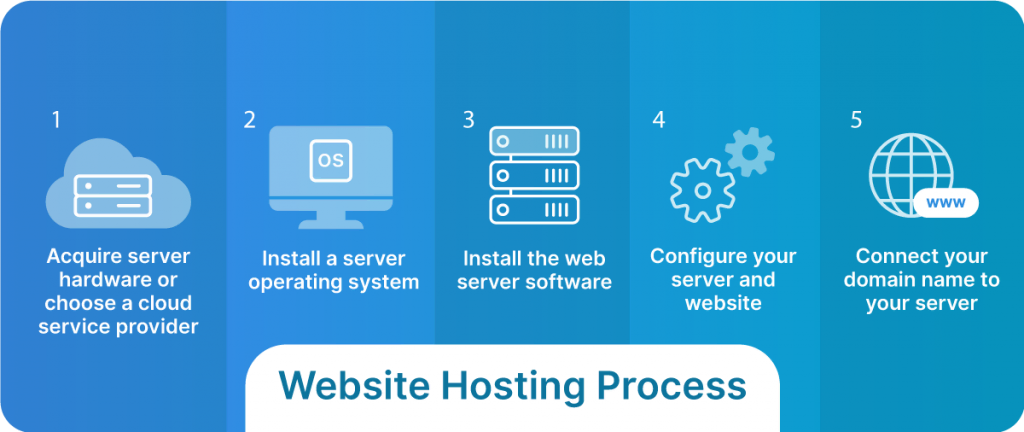
Pick servers with strong performance and reliability. These are key for success. The server should handle many users at once. Look for high-speed processors and ample RAM. They help run tasks smoothly. Consider the storage too. More space means more data can be stored. Servers should be scalable. This means they can grow with your business. A good server keeps websites fast and responsive.
Choose a data center that is secure and reliable. Security keeps data safe. Look for centers with backup power. This helps in case of power cuts. Cooling systems are important too. They prevent servers from overheating. Data centers need a strong internet connection. This ensures fast data transfer. Location matters. Centers closer to users provide better speed.
A strong network is crucial for web hosting. It connects servers to the internet. Bandwidth is the amount of data transferred. More bandwidth means faster data transfer. Choose a provider with high bandwidth. This keeps websites running smoothly. Ensure network has redundancy. This means backup paths for data. It helps if the main path fails. A good network keeps users happy.
Credit: www.liquidweb.com
Selecting Software
Choosing the right control panel is crucial. Popular options include cPanel and Plesk. They help you manage your servers easily. These panels offer user-friendly interfaces. This makes tasks simpler for beginners. Both provide essential features like email management and database control. Remember, the right choice affects your business efficiency.
A good billing system is vital. Options like WHMCS or Blesta can manage your invoices. They automate billing tasks, saving you time. These tools also help in client management. They track payments and send reminders. Effective software ensures smooth operations.
Protecting your servers is important. Use security software like Imunify360 or BitNinja. They provide real-time protection against threats. These tools block malware and other risks. Regular updates keep your system safe. A secure environment builds trust with clients.
Setting Up Services
Shared hosting is affordable. It allows many websites on one server. This setup saves costs. But, it shares resources. So, sites may load slower. It’s good for small websites. Easy to manage too. Just pay a small monthly fee. You don’t need much tech knowledge. Providers handle most tasks.
VPS is like a middle option. It offers more control. You get a part of a server. It’s more secure than shared hosting. A dedicated server gives you the whole server. More powerful and fast. But, it costs more. Best for large websites. You need some tech skills to manage it.
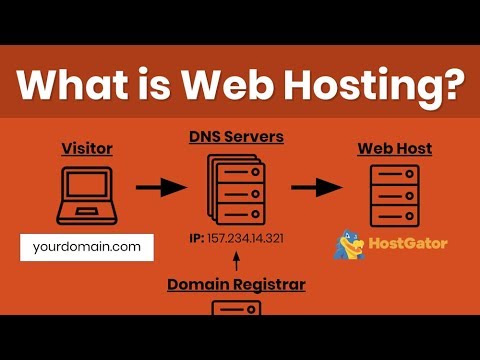
A domain is your website’s name. It’s like a home address. You need a domain to start. Register through a domain registrar. Choose a name that is easy to remember. Pay a yearly fee for the domain. Make sure it’s not already taken. Domains help users find your site online.
Building A Support Team
Creating a strong support team is important. Customers need fast help. Use simple words to explain things. Offer help through phone and email. Make sure help is available 24/7. Train staff to be polite and patient. Listen to problems carefully and solve them quickly.
Teach your team about common web hosting issues. Explain how to fix them easily. Use videos and simple guides. Practice is key. Let staff try out fixing problems. Test their skills often. Keep learning new things. Technology changes fast. Stay updated.
Find people who know web hosting basics. They should be friendly and eager to help. Conduct simple tests during interviews. Check their skills. Look for team players. Good teamwork is vital. Offer training to improve their skills. Happy staff means happy customers.
Marketing And Promotion
Brand identity is crucial for any web hosting company. Choose a unique name. Design a memorable logo. Use simple colors and fonts. Ensure your website reflects this identity. Consistency builds trust. Trust brings customers.
Online advertising can help your business grow. Use platforms like Google Ads. Target specific audiences. Set a budget. Track your ads’ performance. Adjust strategies based on results. Effective ads attract more clients.
Social media is a powerful tool. Create engaging content. Share tips and news. Respond to comments quickly. Interact with followers. Building a community is key. Loyal followers often become loyal customers.
Credit: www.youtube.com
Pricing Strategy
Study other web hosting companies. Check their pricing models. See what they offer. Compare their features and prices. Find out what makes them stand out. Look at their customer reviews. This helps you understand the market. You will know how to set your prices. Aim to offer better value. Make your service unique.
Create different service packages. Each should have unique features. Some users need more storage. Others need fast support. Offer a basic plan for beginners. Provide a premium plan for advanced users. Make sure all plans are easy to understand. Users should know what they are paying for. Clear packages help in attracting customers.
Offer discounts to new customers. This makes them try your service. Give seasonal promotions. Holidays are a good time. Offer bundle deals. Combine services for a lower price. This attracts more users. Promotions can boost your sales. Make sure they are clear and easy to use.
Monitoring And Scaling
Good tools help check your server’s performance. They show if your website is fast or slow. Use tools like Pingdom or Google Analytics. They help find problems. Fixing problems makes your website better. It keeps users happy and coming back.
As your company grows, you need more resources. This means better servers and more storage. Use cloud services for easy scaling. They give you more space when you need it. This keeps your website running smoothly. It also saves money because you only pay for what you use.
Listen to your customers. They tell you what they like or don’t like. Use their feedback to make changes. This helps improve your service. Happy customers tell their friends. This brings in more clients. Always ask for feedback. It shows you care about them.
Frequently Asked Questions
Is Web Hosting Profitable?
Web hosting can be profitable with strategic planning and efficient operations. Success depends on competitive pricing, reliable services, and effective marketing. Building a strong customer base and offering diverse hosting solutions enhances profitability. Continually adapting to industry trends ensures sustained growth and increased revenue.
How Do I Set Up A Web Hosting?
Choose a reliable web hosting provider. Sign up for a hosting plan that fits your needs. Register a domain name. Access the control panel to upload your website files. Configure necessary settings and ensure your site is live.
How Much Do Web Hosting Companies Charge?
Web hosting costs vary widely. Basic shared hosting starts at $3-$10 per month. VPS hosting can range from $20-$100 monthly. Dedicated servers might cost $80-$300 per month or more. Prices depend on the provider, features, and resources offered. Always compare plans to find the best fit for your needs.
Can I Be My Own Hosting Provider?
Yes, you can be your own hosting provider. Set up a server, ensure proper hardware, software, security, and internet connection. This offers control and customization but requires technical expertise and regular maintenance. Consider cost and time investments before proceeding.
Conclusion
Starting a web hosting company involves careful planning. You need resources, technical knowledge, and a solid business plan. Understand your target audience and their needs. Choose reliable servers and software. Focus on customer service and support. Keep learning and adapting to changes in technology.
Stay competitive with pricing and features. Building trust with clients is crucial. Ensure your website is secure and fast. Grow your business by marketing effectively. Step by step, you’ll create a successful hosting company. Your commitment and persistence will pay off over time.
Begin your journey today.


