
Starting your own web hosting service might sound like a daunting task, but it’s more achievable than you think. Imagine having the power to control your digital space, cater to clients, and build a profitable business.
You’re about to discover how to transform this vision into reality. Whether you’re a tech enthusiast or a budding entrepreneur, this guide will illuminate the path to creating a successful web hosting service. You’ll learn practical steps, insider tips, and strategies that can help you stand out in a competitive market.
Feel the excitement of possibility? Let’s dive in and explore how you can make your mark in the digital world.

Credit: www.hostingseekers.com
Understanding Web Hosting
Web hosting is a service. It lets people store their websites on the internet. Companies give space on a server. This server connects to the web. Websites need hosting to be seen online. Without hosting, sites stay offline. Hosting is like renting a home for your website.
There are different types of web hosting. Shared hosting is common. Many sites share one server. It costs less. Dedicated hosting is for one site only. It costs more. VPS hosting is like a mix of both. It shares a server but has its own space. Cloud hosting uses many servers. It is fast and reliable. Each type has pros and cons. Choose based on needs and budget.
Market Research
Choose a specific area for your web hosting service. This is called your niche. Some focus on small businesses or bloggers. Others might aim to serve e-commerce sites. Picking the right niche helps you stand out. You can offer unique services that others don’t. This makes your service special and different.
Check what other web hosting companies offer. Look at their prices and plans. Notice their special features. Find out what customers like and dislike. This helps you know where you can do better. Offering something unique can attract more customers. You can learn from their mistakes too.
Ask people what they need from a web host. Some want fast loading times. Others might need strong security. Knowing these needs helps you create better services. You can solve their problems. Happy customers often tell others. This can bring in more business. Listening to customers is very important.
Business Planning
Begin by setting clear goals for your web hosting service. Decide what you want to achieve. This helps guide your business path. Objectives should be specific and measurable. For example, aim to gain 100 customers in the first year. Track your progress regularly.
A business model is a plan for making money. Decide if you will offer shared hosting or dedicated servers. Consider your pricing strategy. Will you offer monthly or yearly plans? Check what your competitors charge. This helps you set a good price.
Legal steps are important for your business. Register your company name. Make sure it is unique. Obtain necessary licenses and permits to operate. Comply with local laws. This protects your business from legal problems. Consult a lawyer if needed.

Credit: www.shaolinmicro.com
Technical Requirements
Picking the right servers is super important. Servers are like the home’s base. They should be fast and reliable. A slow server can make users unhappy. Consider the size of your server. It should handle many users at once. Also, think about upgrading later. A server that can grow with your needs is best.
A control panel helps manage your hosting. It’s like a remote control. Popular ones include cPanel and Plesk. They are easy to use. They help with tasks like managing emails and domains. Ensure the panel is user-friendly. This makes it simple for customers.
Security is key to keeping data safe. Use strong passwords and firewalls. Regular updates are important. They fix bugs and improve safety. Reliability means your service is always on. Downtime can upset customers. Have a backup plan. This helps if something goes wrong.
Choosing A Hosting Platform
Reseller hosting is great for beginners. It allows you to sell hosting under your own brand. You don’t need to manage the server. This option is less costly. Dedicated servers give you full control. They are more powerful. But they are also more expensive. You need technical skills to manage them. Choose based on your needs and budget.
Cloud hosting is flexible. It uses many servers. This makes it reliable. If one server fails, others take over. Costs can vary. You pay for what you use. It’s good for growing businesses. Start small and scale up as needed.
Setting Up Infrastructure
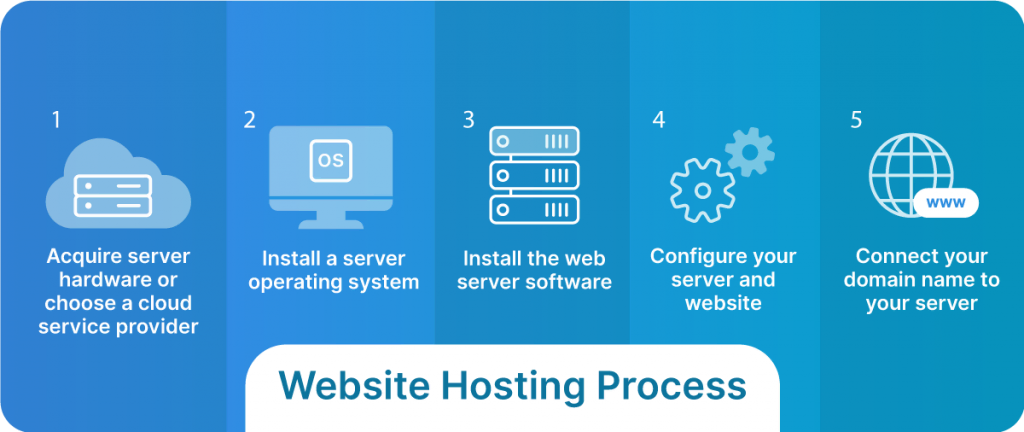
Servers are like the heart of your hosting service. Choose reliable hardware that can handle lots of data. Set up networks to keep them connected and fast. Install server software to manage websites and data. Keep security in mind to protect data. Regular updates make servers work smoothly.
Software helps run your hosting service. Install control panels for easy management. Add billing software to track payments. Monitoring tools help watch server performance. Security software keeps bad guys away. Software updates are important for safety.
Backups save data from loss. Regular backups keep data safe. Use cloud storage for copies of data. Test your backups to ensure they work. Automate backup processes for ease. Secure backup data from harm.
Pricing Strategy
Creating a pricing strategy for your web hosting service involves analyzing competitors and understanding customer needs. Offer competitive rates and varied packages to attract diverse clients. Ensure transparency to build trust and establish a loyal customer base.
Determining Costs
Knowing your costs is key to success. Start by listing all expenses. Include server costs, software, and electricity. Add employee salaries and marketing fees. Calculate the total amount you need monthly. This helps you know how much money is needed to break even. Remember, hidden costs can surprise you. It’s wise to have a buffer. A buffer helps manage unexpected expenses.
Setting Competitive Prices
Setting prices is crucial for attracting customers. Research the market and know your competitors. See what they charge and what they offer. Competitive pricing helps you stand out. Keep prices fair to gain trust. Offer value for money. Make sure your prices cover costs and give profit. Adjust prices based on feedback and demand.
Offering Packages And Add-ons
Offering packages makes choices easy for customers. Create different packages with varied features. Basic, standard, and premium are popular options. Add-ons are extras customers can buy. Add-ons like more storage or better security attract buyers. This increases your earnings. Make packages clear and easy to understand. Simple options lead to happy customers.
Marketing Your Service
Create a unique brand name. Design a memorable logo. Choose colors that stand out. Write a catchy slogan. Make sure your brand is easy to remember. Keep it simple but strong. Your brand should tell your story. Show your values clearly.
Use social media platforms. Share interesting posts. Engage with followers. Reply to comments quickly. Create a blog. Write helpful articles. Use search engine optimization (SEO). Improve your website ranking. Collaborate with influencers. Let them talk about your service.
Offer promotions for new customers. Give discounts on first purchases. Provide excellent customer service. Always be ready to help. Make sign-up easy. Use simple forms. Reward referrals. Encourage customers to bring friends. Build strong relationships.
Customer Support
A good support system is very important. It helps customers feel safe. Use tools like chatbots for quick help. Also, have email and phone support ready. Choose a platform that is easy to use. This makes it simple for your team. You should also train your team well. They need to know the products well. This ensures they can help customers quickly.
Answer questions as fast as you can. Quick replies make customers happy. Use simple language always. Customers need to understand easily. Have a FAQ page ready. This can help customers find answers by themselves. Train your team to be friendly. A smile in a voice can be felt, even on a call.
Technical help should be clear and easy to follow. Use step-by-step instructions. Make sure to be patient with customers. They may not know much about tech. Provide video guides if needed. Videos can show steps clearly. Keep improving your help guides. Update them with new info regularly.
Scaling Your Business
Starting your own web hosting service can boost business growth. Choose reliable servers and user-friendly software. Focus on customer support to attract clients.
Identifying Growth Opportunities
Growth is key for any business. Watch for trends in the market. These can lead to new opportunities. Competitor analysis can show what works and what does not. Look at customer feedback too. It helps in understanding needs. Explore new services you can offer.
Expanding Infrastructure
Infrastructure is like the backbone. Invest in reliable servers. They ensure smooth operations. Upgrading software can improve speed. Security is important. Install firewalls and protection tools. Always plan for extra capacity. This helps handle more customers.
Increasing Customer Base
Attracting new customers is vital. Offer promotions or discounts. This can bring in more users. Improve your website’s SEO. It helps people find you online. Engage with your audience on social media. Provide excellent customer service. Happy customers come back and tell others.
Credit: www.liquidweb.com
Frequently Asked Questions
Can I Create My Own Web Hosting?
Yes, you can create your own web hosting by setting up a server. Use software like Apache or Nginx. Ensure robust security measures and reliable internet connection. Regular maintenance is crucial for smooth operation. Consider scalability to handle growing traffic efficiently.
How To Start A Web Hosting Service?
Research market trends and define your niche. Choose reliable server hardware and software. Secure necessary licenses and data center space. Build a user-friendly website with integrated billing and support systems. Market your services effectively to attract clients.
Is Web Hosting Profitable?
Yes, web hosting can be profitable. Success depends on competitive pricing, reliable service, and effective marketing strategies. Building a strong brand and customer base enhances profitability. Offering additional services like domain registration or website building tools increases revenue potential. Continuous investment in technology and support also boosts profitability.
How Much Does It Cost To Host A Web Service?
Hosting a web service costs vary widely, typically ranging from $3 to $500+ per month. Factors include server type, bandwidth, storage, and additional features. Shared hosting is cheaper, while dedicated servers are more expensive. Evaluate your needs to choose the right plan.
Conclusion
Starting your own web hosting service is a rewarding venture. It requires careful planning and dedication. Choose reliable software and hardware. Focus on offering excellent customer support. Keep learning and adapting to industry trends. This will help you stay competitive.
Building a solid reputation takes time. Be patient and consistent. Always prioritize your clients’ needs. This builds trust and loyalty. Remember, every successful business started small. With effort and commitment, you can grow your hosting service. Embrace challenges as learning opportunities.
Step by step, you’ll achieve your goals. Stay motivated and keep pushing forward. Your hard work will pay off.


