
Have you ever wondered why some websites look stunning and load instantly, while others struggle to keep your attention? The secret lies in the perfect harmony between web design and web hosting.
Imagine creating a masterpiece with vibrant colors and perfect symmetry, only for it to be hidden away in a dusty corner. That’s what happens when your website design isn’t paired with the right hosting service. We’ll unravel the mystery of how web design and web hosting work together to create an online experience that captivates and retains your audience.
We’ll guide you through the essentials, helping you understand how a seamless partnership between these two elements can transform your website into a dynamic, engaging platform. You’ll discover how making informed choices in design and hosting can lead to faster loading times, better user experiences, and ultimately, a successful online presence. Don’t miss out on unlocking the potential of your website – read on to explore the magic that happens when design meets hosting!
Web Design Fundamentals
Good web design makes a website easy to use. It also looks nice. Important parts include layout, colors, and fonts. Layout helps place things on the page. Colors make the site feel a certain way. Fonts can show the site’s mood. A good mix is important.
User experience, or UX, is how people feel using a site. A good UX makes it easy to find things. It also helps users feel happy. Aesthetics is about how the site looks. This includes images, text styles, and graphics. A pretty site can make people stay longer.
Role Of Web Hosting
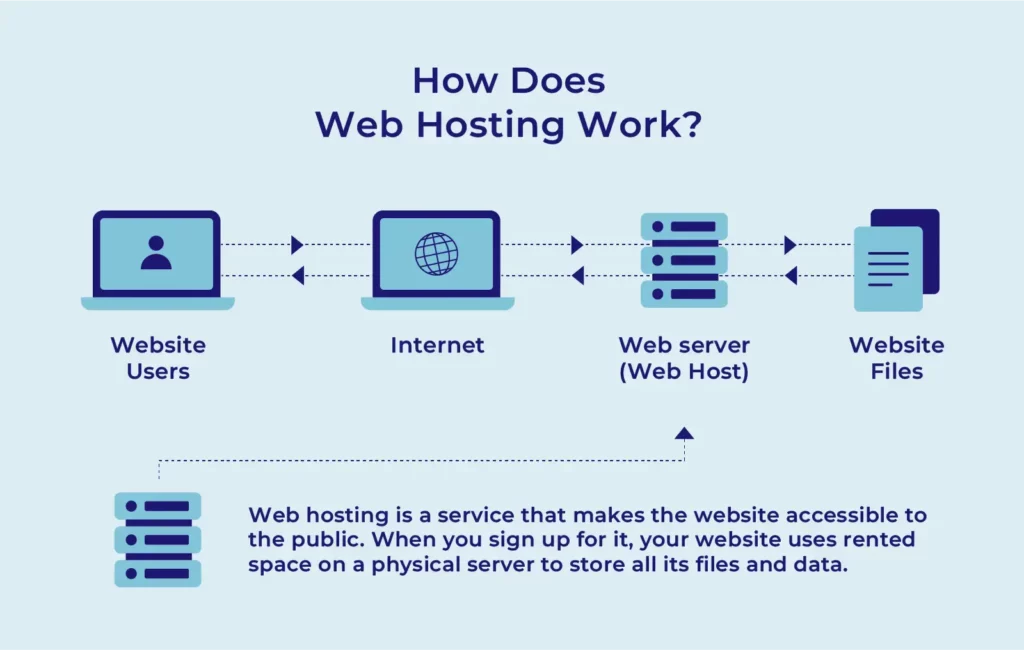
Web hosting helps your website go online. There are different types. Shared hosting is like sharing a room. It’s cheap but slow. Dedicated hosting is like having your own house. It costs more but is faster. VPS hosting is a mix of both. It’s like having your own room in a big house.
The server location is where your website lives. If it’s close to your visitors, it loads faster. Fast sites make visitors happy. They stay longer. A server in a far place makes your site slow. Choose a server close to your main audience. This helps improve site speed.
Integration Of Design And Hosting
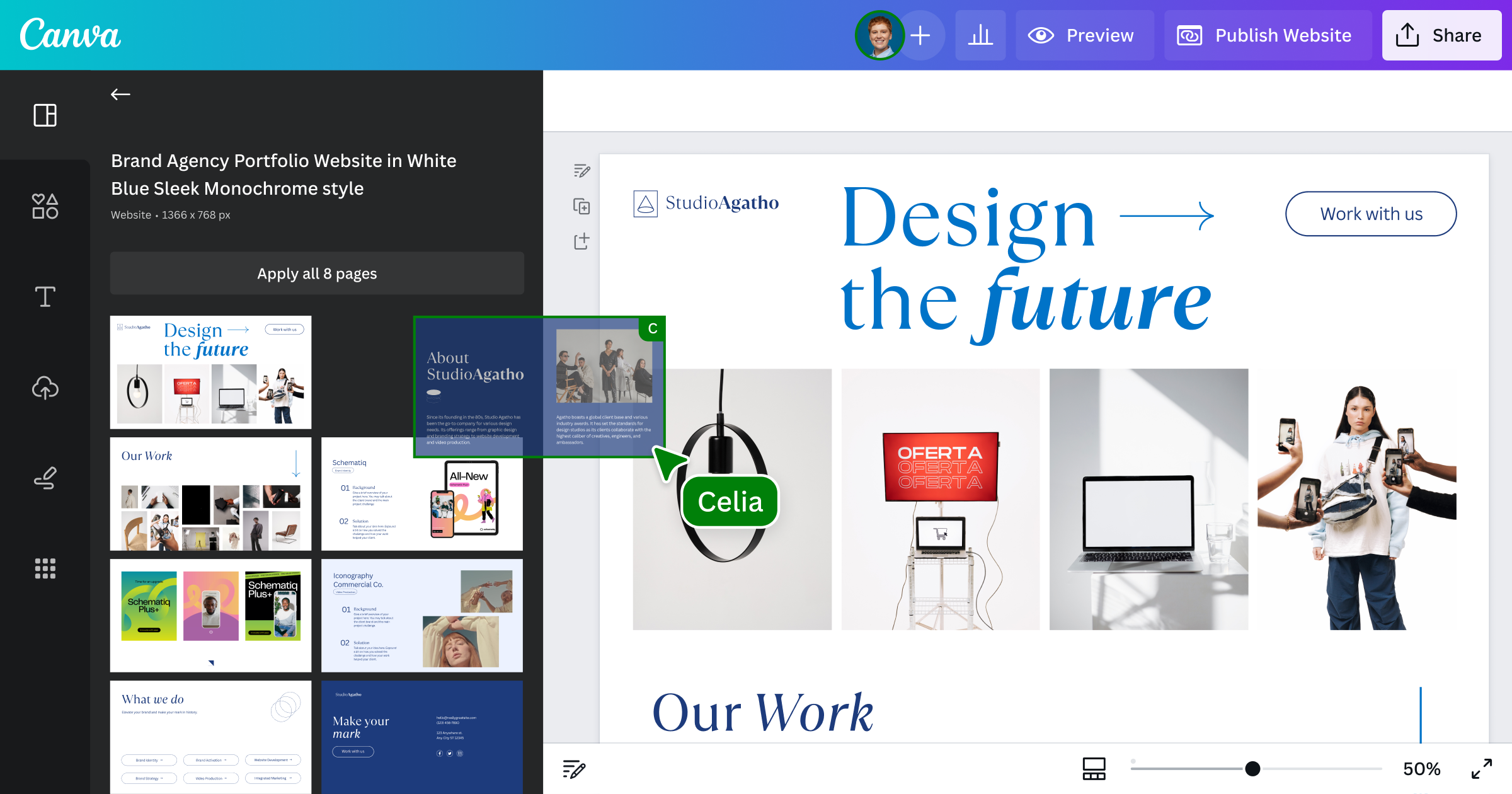
Web design and hosting must fit well together. Design should be simple, so websites load fast. Images need to be small in size. This helps pages open quicker. Fonts should be easy to read. Colors need to match the website’s mood. When design works well with hosting, users have a better time.
Good hosting is important for speed. A fast host keeps websites running smoothly. Servers should be reliable. This means websites stay online. SSL certificates make websites secure. Backups protect data. Hosting that supports design makes a site strong and fast. This helps everyone have a good experience.
Credit: www.canva.com
Impact On Website Speed
Web design choices can affect how fast a site loads. Heavy images slow down the loading time. Simple designs load faster than complex ones. Animations and videos can make sites slow. Using too many fonts and colors also affects speed. Choosing fewer elements helps the site load quickly. Optimizing images is very important for speed.
Hosting plays a big role in website speed. Shared hosting can be slow. Dedicated servers are faster. The server’s location matters too. Closer servers mean quicker loading. Bandwidth affects speed. More bandwidth means better performance. Reliable hosting ensures fast and smooth access. Choosing the right hosting is key for speed.
Security And Reliability
Good web design keeps your site safe. Strong passwords protect user data. Secure payment systems stop hackers. Designers use SSL certificates for safe connections. Firewalls guard websites from threats. Regular updates fix security holes. Easy steps keep websites safe and sound.
Reliable hosting makes websites work well. Good servers keep sites running. Backups save your data in case of trouble. Fast loading speeds keep visitors happy. 24/7 support helps solve issues quickly. Uptime guarantees mean less downtime. Choosing the right host matters for your site’s success.
Scalability And Flexibility
Websites must grow as the business grows. A good design should plan for this. Think about adding more pages or features later. Web designers use layouts that can expand. This helps websites handle more visitors. The design should not break when more content is added. It must adapt smoothly to new changes.
Web hosting should also be flexible. It must handle more traffic and data. A good host can easily add more space or speed. Some hosts offer plans that grow with your site. This means you can start small and expand as needed. Picking the right host helps keep your site running well. Even with more users or content, the site stays fast and reliable.
Collaborative Process
Web designers and hosting providers must work as a team. Each needs to know what the other is doing. Good communication keeps projects on track. Designers focus on layout and visuals. Hosting providers focus on making sites run smoothly. Together, they make a website successful.
Teams use emails, calls, and meetings to talk. Clear messages help everyone understand tasks. Regular updates keep the project moving. Designers share ideas and needs. Hosting providers give feedback and support. Working together makes websites better.

Credit: www.onepixelworld.com
Credit: www.webopedia.com
Frequently Asked Questions
Do Web Designers And Web Developers Work Together?
Yes, web designers and web developers collaborate closely. Designers focus on aesthetics, while developers handle functionality. Together, they ensure a seamless user experience. Their teamwork is crucial for creating engaging and functional websites. This collaboration enhances creativity and technical efficiency, ensuring the final product meets client expectations and user needs.
What Is Web Hosting In Web Designing?
Web hosting is a service that stores website files on servers, enabling online access. It supports site functionality and performance.
Can I Design A Website Before Hosting?
Yes, you can design a website before hosting. Use tools like WordPress or Adobe Dreamweaver. Save your design locally and choose hosting later. This allows flexibility and testing before going live. Designing first helps plan layout, content, and functionality effectively.
What Is The Difference Between Web Design And Hosting?
Web design involves creating the layout and visual elements of a website. Hosting stores website files on servers, making them accessible online.
Conclusion
Web design and hosting must work in harmony. Together, they create seamless user experiences. A well-designed site needs reliable hosting. Hosting affects speed and accessibility. Design impacts user engagement. Both are crucial for online success. They influence how visitors interact with your site.
Poor design or hosting can deter users. Good design with strong hosting boosts credibility. Balance is key. Choose wisely for optimal results. Ensure your site is fast and user-friendly. This partnership enhances your website’s performance. Invest time in both areas.
Your website deserves the best. Always aim for quality design and hosting.


