
Have you ever wondered how websites appear online the moment you type in a URL? Or how your favorite blog pops up instantly when you click on its link?
It’s all thanks to web hosting services. If you’re curious about how these digital gatekeepers work or are considering launching your own website, understanding web hosting is crucial. Imagine web hosting as the silent engine powering every corner of the internet.
It’s more than just a storage space—it’s the backbone that ensures your content is available to the world, 24/7. But how exactly does it work? And how can you leverage this knowledge to make the best choice for your website? Dive into the details, and you’ll discover how web hosting not only stores your site but also impacts its speed, security, and performance. Ready to unlock the secrets behind the scenes of your favorite sites? Let’s unravel the mysteries of how web hosting services work and why they’re essential for you.
What Is Web Hosting?
Web hosting is like a computer for websites. It stores all your website files. These files include text, images, and code. Hosting companies have big computers called servers. These servers are on all the time. They keep your website online. People can visit your site anytime.
Hosting companies offer different plans. Some are cheap, others cost more. The plan you choose depends on your needs. Small websites can use shared hosting. Big websites need dedicated servers. Always pick a hosting plan that fits your site. Good web hosting makes your site fast and safe. A slow website can lose visitors. A secure site keeps data safe.

Credit: www.znetlive.com
Types Of Web Hosting
Shared hosting is the most basic type. Many websites share one server. It’s like living in an apartment. You share resources with others. This option is usually the cheapest. It suits small websites or blogs. It has limited customization options. If another website gets busy, your site might slow down.
VPS hosting stands for Virtual Private Server. It’s more advanced than shared hosting. You still share a server but have your own space. It’s like a townhouse. You have more control and customization. It’s suitable for growing websites. It’s more expensive than shared hosting. You can install custom apps.
Dedicated hosting means you get the whole server. No sharing with others. It’s like having a house. It’s perfect for big websites. You get full control and maximum performance. It’s the most expensive option. You need technical skills to manage it.
Cloud hosting uses many servers. It makes your website strong and flexible. It’s like living in a big network. If one server fails, others help. It’s great for websites that change size. You pay for what you use. It’s often affordable and fast.
Key Components Of Web Hosting
Servers are like giant computers. They store your website files. Without a server, your site cannot be online. They are always on, so people can visit your site anytime. Servers can be shared or private. Sharing is cheaper but slower. Private is fast but costs more.
A domain name is like your site’s address. It helps people find your website. Imagine it as a street name in a big city. Easy to remember names are best. They guide users to your server.
Bandwidth is like a highway. It measures data transfer speed. High bandwidth means many cars, or users, can travel at once. Low bandwidth can slow down your website. Choose wisely for more visitors.
Storage is the space for your files. Think of it as a big digital box. Photos, videos, and text all need space. More storage means you can add more content. Less storage can limit your growth.

Credit: www.hostinger.com
How Web Hosting Works
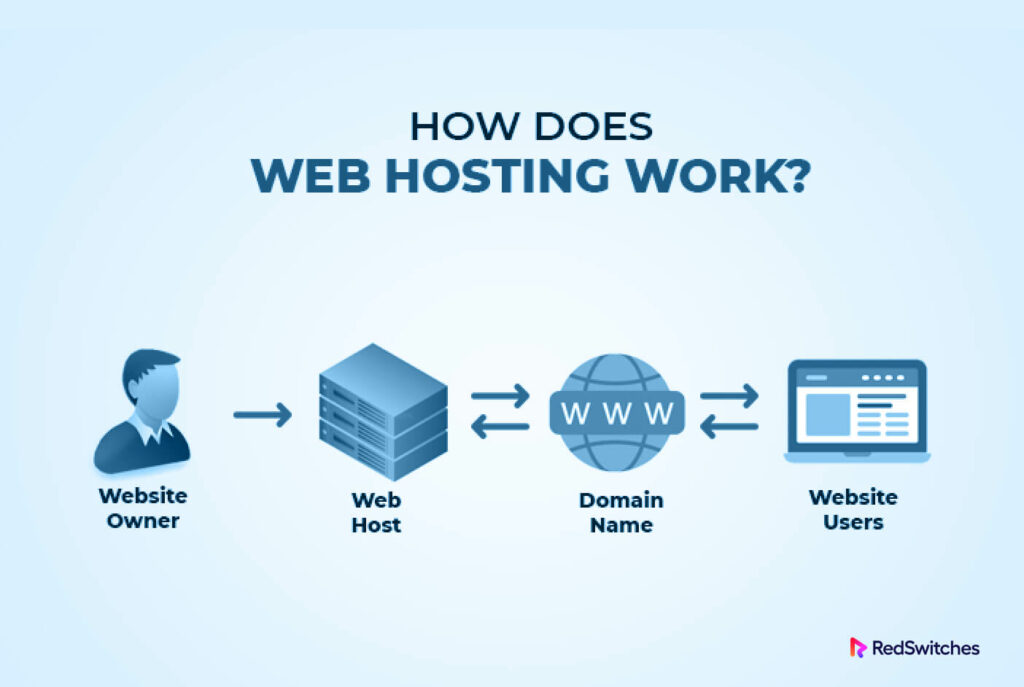
Web hosting needs a server. Servers are powerful computers. They store your website’s files. These files include images, text, and videos. The server is always on. It lets people view your site anytime. Server configuration is setting up this computer. It includes installing software and setting rules. These rules guide how the server works. A well-configured server keeps websites running smoothly.
Web hosting stores data on servers. Each website has its own space. This space holds all the site’s files. When someone visits a site, their computer asks the server for data. The server sends the needed files back. Retrieval is this process of sending data. Quick retrieval makes websites load fast. It is important for a good user experience.
Every website has a domain name. This is like a web address. Computers use numbers called IP addresses. DNS helps match domain names to IP addresses. It works like a phonebook. It tells browsers where to find the site’s server. DNS resolution is this matching process. It ensures users reach the right site. Without DNS, visiting websites would be hard.
Choosing The Right Web Hosting Service
Understand your website’s purpose and size. A small blog needs less space. A busy store needs more resources. Consider bandwidth for traffic. Think about storage for files and images. Identify security needs. Secure data is important.
Uptime means your site is available. A good host offers 99.9% uptime. Check reviews for reliability. A reliable host prevents downtime. Downtime loses visitors. Consistent uptime builds trust. Evaluate backup options. Backups protect data.
Growth is important for every site. Choose a host with scalability. Scalability means easy upgrade. As your site grows, add more resources. Check flexible plans. Ensure smooth transitions. Avoid hosts with rigid plans. Future-proof your site.
Common Web Hosting Features
Control panels are tools to manage your website. They help you do tasks easily. cPanel and Plesk are popular choices. Control panels let you add email accounts and databases. You can also install apps like WordPress. Managing files becomes simple. Just like using a computer.
Email hosting keeps your emails safe. It offers custom email addresses. Like yourname@yourdomain.com. This looks professional. Most hosting plans include email hosting. Some plans offer spam filters. This keeps your inbox clean. It’s important for businesses.
Security features protect your website. SSL certificates encrypt data. This keeps information safe. Firewalls block unwanted traffic. They prevent attacks. Some hosts offer daily backups. They help restore your site if needed. Security is crucial for trust.
Cost Considerations
Web hosting services offer different pricing models. Some charge monthly fees. Others prefer yearly payments. There are also free hosting options. These often have limited features. Paid plans provide more resources. Users must choose wisely. Plans should match their needs.
Some hosting providers have hidden fees. These fees can surprise users. Always read the terms carefully. Look for setup or renewal charges. Extra fees might apply for added services. Being informed helps avoid unexpected costs.
Getting the best value for money is crucial. Compare different hosting plans. Check what each plan offers. Speed, storage, and support are important. Find the best balance between cost and features. Happy hosting leads to happy users.
Credit: blog.gotmyhost.com
Trends In Web Hosting
Green hosting uses eco-friendly methods. It reduces the carbon footprint. Servers run on renewable energy. This helps save the planet. Many companies now choose green options. It is important for our future.
Managed hosting offers expert support. Professionals manage your server. This includes updates and security. You get peace of mind. Focus on your business instead. It saves time and effort.
Edge computing moves data closer to users. It speeds up processing. It reduces delays in loading. Content is delivered faster. This is great for big data needs. Helps in real-time actions.
Frequently Asked Questions
How Do Web Hosting Services Work?
Web hosting services store website files on servers. They allow users to access your site via the internet. Hosting providers ensure server maintenance, offer bandwidth, and provide security. You choose a plan based on your site’s needs, ensuring it stays online and accessible to visitors.
How Much Does Web Hosting Cost Per Month?
Web hosting costs vary from $2 to $200 per month, depending on the type and features. Shared hosting is usually cheaper, while dedicated hosting costs more. Consider your website needs to choose the best plan. Always compare different providers for the best value and service.
What Is An Example Of A Web Hosting Service?
An example of a web hosting service is Bluehost. It offers reliable hosting solutions for various website needs. Known for user-friendly features, Bluehost provides domain registration, email hosting, and 24/7 support. It is popular for WordPress hosting, making it easy to set up and manage your site.
What Are The Three Types Of Web Hosting?
The three types of web hosting are shared hosting, VPS hosting, and dedicated hosting. Shared hosting is cost-effective and suitable for beginners. VPS hosting offers more control and resources. Dedicated hosting provides maximum performance and security for large websites. Choose based on your site’s needs and budget.
Conclusion
Web hosting keeps your website online. It’s like renting space on the internet. Hosts store your files and make them accessible. They ensure your site runs smoothly. Think of it as your website’s home. Reliable hosting is key. It impacts speed and performance.
Choose wisely. Consider support, uptime, and pricing. Security matters too. Protect your data and visitors. Understand your needs before selecting a host. With the right service, your site thrives. Visitors can access it anytime. A good host supports growth. Keep these points in mind.
Your website’s success depends on it.


