
Have you ever wondered how websites appear on your screen with just a click? It all boils down to web hosting servers.
Understanding how these servers work is crucial if you’re thinking about launching a website or simply want to satisfy your curiosity. Imagine web hosting servers as the backbone of the internet, tirelessly delivering content to your browser every second. By grasping the basics, you can unlock the potential to optimize your online presence and make informed decisions about your digital space.
Stick with us, and you’ll uncover the fascinating world behind the scenes of the internet, where servers make your browsing experience seamless and efficient.
Web Hosting Basics
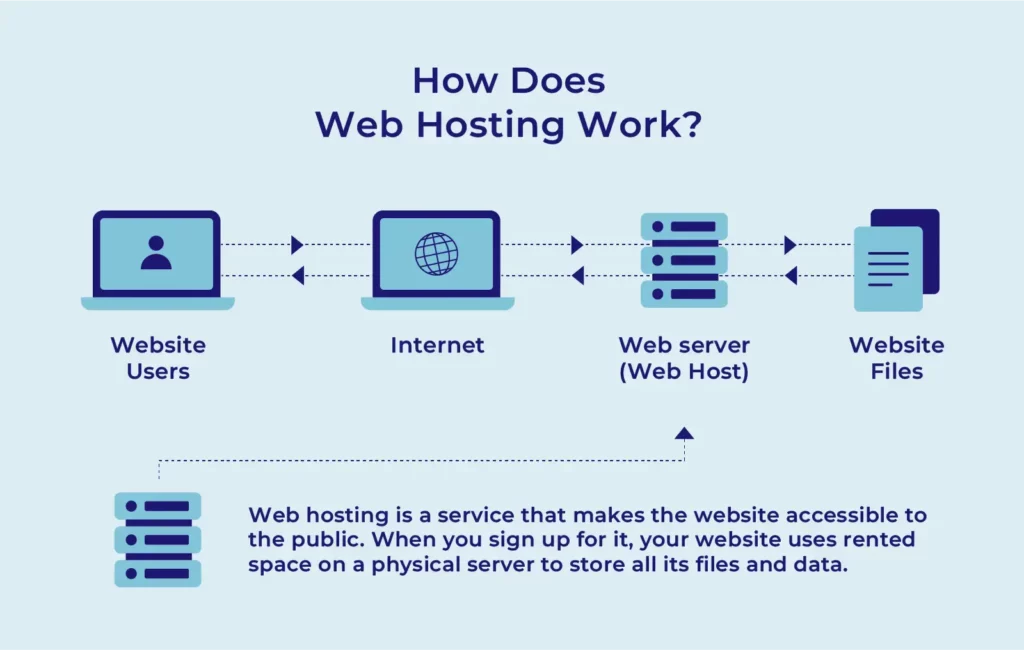
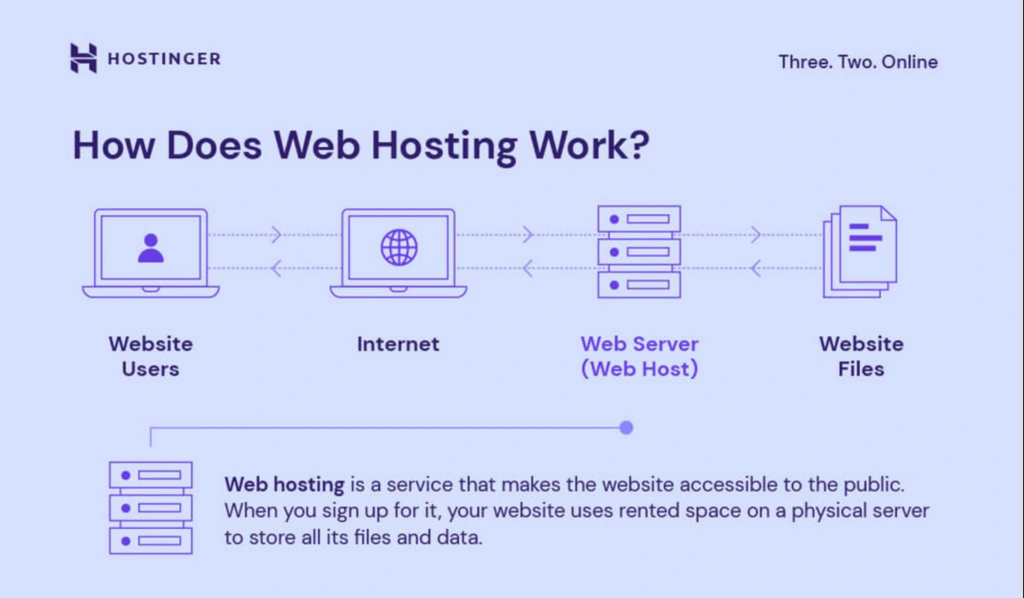
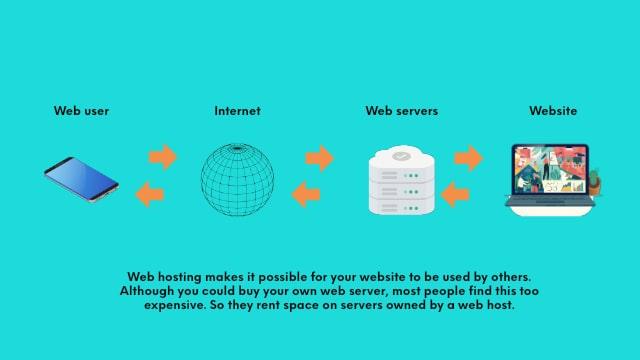
Web hosting is like renting space on the internet. Websites need this space to store files. These files include images, videos, and text. The hosting company provides this space on a server. A server is a powerful computer. It stays on all the time. This way, people can visit the website anytime.
There are different types of web hosting. Shared hosting is common and affordable. Many websites share one server. VPS hosting gives more control. It’s like owning a part of the server. Dedicated hosting offers the most power. You get the whole server for your website. Each type has its own benefits. Choose based on your needs.
Credit: www.webopedia.com
Server Components
Web hosting servers have many important parts. These include the CPU, which is the brain of the server. It processes all the data. The RAM helps the server run smoothly. More RAM means better performance. The hard drive stores all the data. Some servers use SSDs, which are faster. A good power supply keeps everything running. Fans cool down the server. This stops it from overheating. All these parts work together.
Software is just as important as hardware. The operating system is like the server’s manager. It controls all tasks. Common systems include Linux and Windows. Then there’s the web server software. This software delivers web pages to users. Apache and Nginx are popular choices. Servers also need security software. This keeps data safe from hackers. Backups are another key software element. They help recover data if something goes wrong.
Domain And Ip Address
Domain names are like addresses on the internet. They make it easy to find websites. Think of them as the name of a website. Without domain names, we would need to remember long numbers. These numbers are called IP addresses. Domains help us remember websites easily. They turn IP addresses into simple words. Like magic!
IP addresses are like phone numbers for computers. Every computer has a unique IP address. This helps them talk to each other. IP stands for Internet Protocol. It is a set of rules. These rules help computers connect. IP addresses are made of numbers and dots. They look like this: 192.168.1.1. Every website has an IP address. But we use domain names instead. It’s easier to remember!
How Servers Store Data
Servers use hard drives to store data. These drives keep your files safe. Each file has a unique name. The server’s job is to find files quickly. Think of it like a big library. Books are files, and the server is the librarian. Files get stored in folders. Folders help keep things organized. This makes finding files easier.
Servers manage data with special software. This software makes sure data is safe. It also keeps data backed up. Backups protect against data loss. Servers check data often. This keeps data accurate. Data management is key for fast access. It helps users get the right files. Servers work hard to make this happen.
Data Transfer Mechanism
Bandwidth tells how much data can move at once. It’s like a highway. More lanes mean more cars can travel. High bandwidth means faster data travel. Websites load quicker with high bandwidth. Speed measures how fast data moves. It’s like the speed of cars on the road. Fast speed helps users get information quickly. Slow speed frustrates users. Servers must balance bandwidth and speed. Both are important for good performance.
Protocols In Use
Servers use special rules called protocols. These rules help data move correctly. They are like traffic signs for data. Some common protocols are HTTP and FTP. HTTP helps websites load. FTP helps transfer files. Each protocol has a job. They make sure data gets where it needs to be. Without protocols, data would get lost. Proper protocols mean smooth data flow.
Credit: www.hostinger.com
Security Measures
Web hosting servers store and manage websites online. Security measures protect data from threats and unauthorized access. Firewalls, encryption, and regular updates are essential for safe server operation.
Firewalls And Encryption
Firewalls keep bad guys out of servers. They block harmful traffic. This is like a gatekeeper. Encryption keeps data safe. It scrambles data. Only the right key can unlock it. This protects your information. Without encryption, data can be stolen.
Backup And Recovery
Data can be lost. Backups save copies of data. They are like safety nets. If something goes wrong, data can be restored. Recovery is getting data back. It is very important. Without backups, data might be gone forever. Servers use both backups and recovery. This keeps websites safe and running.
Server Maintenance
Web hosting servers need constant monitoring. This helps catch issues early. Servers need regular updates for security. Updates add new features. They fix bugs too. Keeping servers updated is very important. This protects data. It keeps things running smoothly.
Servers can have common issues. Sometimes, websites are slow. Other times, they do not load. Troubleshooting is solving these problems. First, check the server status. Then, look at the error logs. Logs show what went wrong. Fixing these issues is key. It helps websites work well. It keeps visitors happy.
Choosing The Right Hosting
Shared hosting means many websites use one server. It is often cheaper than other options. But, it can be slow when traffic is high. Dedicated hosting gives one website its own server. This means faster speeds and more control. But, it costs more money.
Traffic is important when picking hosting. Shared hosting works for low traffic. Dedicated hosting is better for high traffic sites. Think about budget. Shared hosting is cheaper. Dedicated hosting costs more. Finally, check support options. Good support can help fix problems fast.
Credit: www.godaddy.com
Frequently Asked Questions
How Does Hosting A Web Server Work?
Hosting a web server involves storing website files on a server, accessible via the internet. You lease server space from a hosting provider. The server ensures fast data retrieval and uptime. Choose reliable hosting to enhance website speed, security, and performance.
Select shared, VPS, or dedicated hosting based on needs.
What Is The Difference Between A Web Server And A Hosting Server?
A web server processes and delivers web pages to users. A hosting server provides storage and resources for websites online. Web servers handle HTTP requests; hosting servers manage website files and databases. Both are essential for a website’s operation but serve different roles in web management.
How Much Does Web Hosting Cost Per Month?
Web hosting costs vary, starting from $2 to $15 monthly for basic plans. Prices depend on features and providers. Choose based on your website needs. Premium plans can exceed $100 monthly, offering advanced features and services. Research thoroughly to find the best value for your requirements.
Do I Need A Server To Host My Website?
Yes, you need a server to host your website. You can choose between shared hosting, VPS, or dedicated servers. Hosting providers offer different plans based on your needs. A reliable server ensures your website is accessible and performs well online.
Conclusion
Web hosting servers are the backbone of the internet. They store data and deliver it to users. Each server has a unique IP address. This helps it communicate across the web. Hosting types vary. Shared, VPS, and dedicated hosting serve different needs.
Understanding these can help you choose wisely. A good host ensures your site is fast and reliable. Security is also crucial. Protecting data keeps users safe. As technology evolves, hosting continues to improve. Stay informed to make the best choices for your website.


