
Have you ever wondered what happens behind the scenes when you visit a website? It all starts with web hosting companies.
These unsung heroes ensure that your favorite sites are up and running smoothly. But how do they actually work? Understanding this can empower you to make smarter choices for your own website, whether you’re a business owner, blogger, or digital enthusiast.
We’ll peel back the layers of web hosting to reveal the magic that makes your online experience seamless. Get ready to dive into a world where your website’s success is just a click away. Keep reading, because knowing how web hosting companies operate could be your key to online mastery.
Credit: blog.gotmyhost.com
Web Hosting Basics
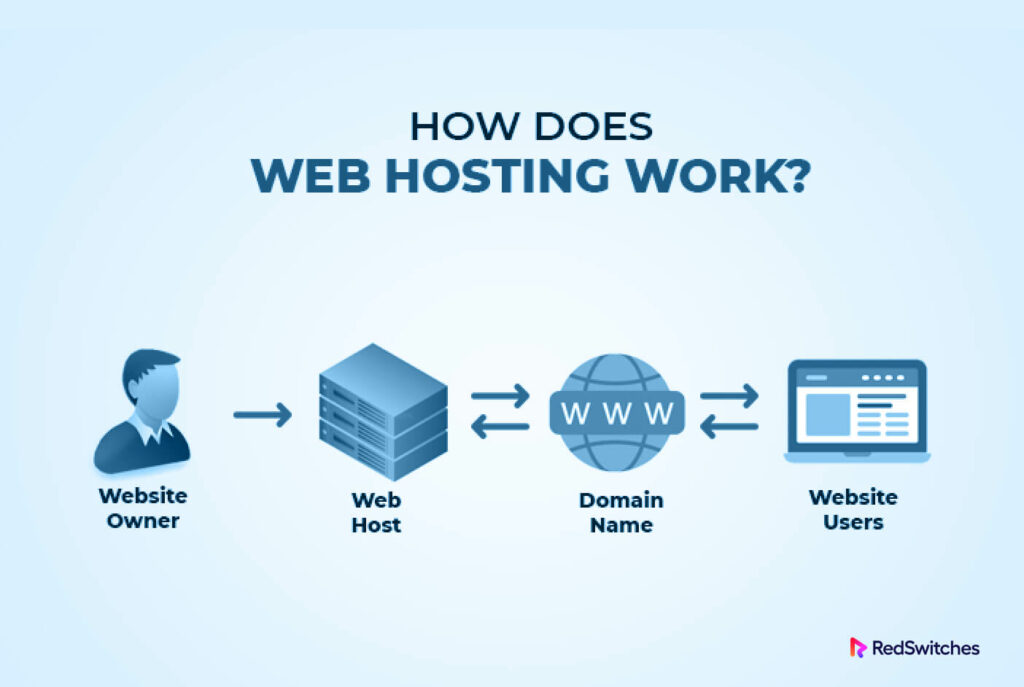
Web hosting is like renting space for your website. Companies store websites on special computers called servers. People visit your website using the internet. Hosting makes your site available to everyone. It keeps your site running smoothly. Hosting companies manage the servers. They ensure websites load fast and stay online.
Types Of Hosting Services
Shared hosting means your website shares a server with others. It’s cheaper and good for small sites. Dedicated hosting gives you your own server. It’s more expensive. Large sites often need dedicated hosting. It provides more control and better performance. Choose wisely based on your needs.

Credit: www.hostinger.com
Infrastructure And Technology
Web hosting companies use data centers to store information. These centers are large buildings. They have many computers. These computers hold websites. Data centers have electricity 24/7. They also have backup power. This keeps websites online always. The air is cool to protect machines. Security is important here. Only special people can enter.
Servers are special computers. They are stronger than normal ones. They have more power. They work all day. Web hosts need many servers. This helps them host many websites. They have spare parts. This fixes problems fast. Powerful hardware keeps websites fast.
Good network connectivity is crucial. It connects servers to the internet. This makes websites reachable. High-speed internet is necessary. It allows quick data transfer. Web hosts use multiple internet lines. This keeps websites up if one line fails. Fast and stable connections are key.
Service Management
Web hosting companies help customers with technical problems. They have a support team ready to assist. This team is usually available 24/7. Customers can reach out through chat, email, or phone. Support staff solve issues quickly and efficiently. They also guide users on basic tasks. Like setting up a website or email account. Good support keeps customers happy.
Security is vital for web hosting. Companies use strong firewalls and encryption. This keeps data safe from hackers. They regularly update their systems. This prevents security threats. Hosting providers also offer SSL certificates. These help to protect websites. Security measures build trust with customers.
Web hosts monitor server performance. They use special tools to check speed and uptime. Quick responses to issues keep websites running smoothly. They also perform regular checks. These checks ensure there are no slowdowns. Performance monitoring helps maintain a good user experience.
Pricing Models
Web hosting companies offer various subscription plans. These plans often have monthly or yearly payments. Some plans are very cheap. Others cost more with extra features. Basic plans suit small websites. Larger websites need more space and speed. It’s important to choose the right plan. This depends on what the website needs.
Many hosting companies provide add-on services. These services include email accounts, security tools, and backups. Some add-ons help websites run faster. Others protect websites from hackers. Extra services might cost more. It’s smart to pick the services you really need. This way, you get the best value for your money.
Choosing A Web Hosting Provider
Look for storage capacity. Check bandwidth limits. Ensure uptime reliability. Security matters too. Some hosts offer SSL certificates. Others provide daily backups. Customer support is key. Choose 24/7 assistance. Find hosts with easy-to-use control panels. Consider site builder tools. They simplify the setup process. Make sure the host supports your programming languages. PHP, Python, and more. Ensure they have database options. MySQL, PostgreSQL, and others.
Prices vary widely. Shared hosting is cheapest. Dedicated hosting costs more. VPS hosting is in between. Look for hidden fees. Domain registration costs extra. Some hosts charge for site migration. Others offer it free. Check renewal prices. They might be higher. Look for discounts on long-term plans. Monthly plans can be pricier. Compare features with costs. Balance quality and price.
User reviews reveal truth. Read both good and bad. Focus on reliability comments. Speed is important too. Look for security mentions. Check customer support feedback. Technical issues should be few. Downtime complaints are red flags. See if users like ease of use. Look for money-back guarantees. Positive reviews build trust. Negative reviews need attention.

Credit: www.znetlive.com
Frequently Asked Questions
How Do Web Hosting Services Work?
Web hosting services store your website’s files on servers. They make your site accessible online. You choose a hosting plan, upload files, and your domain points to the server. Visitors can then view your site globally. Hosting providers offer security, support, and various features to enhance performance.
How Much Do I Pay To Host A Website?
Website hosting costs vary from $3 to $300 monthly. Factors include hosting type, features, and provider. Shared hosting is cheaper, while dedicated or VPS hosting is more expensive. Compare plans to find the best fit for your needs.
What Are The Three Types Of Web Hosting?
The three types of web hosting are shared hosting, VPS hosting, and dedicated hosting. Shared hosting is cost-effective for small websites. VPS hosting offers more resources and customization. Dedicated hosting provides exclusive server access for large websites requiring high performance and security.
Choose based on your website’s needs and budget.
How Do I Set Up A Web Hosting Company?
Start by researching market demand and competitors. Secure servers and data centers for hosting. Acquire necessary licenses and software. Develop a user-friendly website with payment gateways. Implement marketing strategies to attract clients.
Conclusion
Web hosting companies offer crucial services for online presence. They store website files, manage servers, and ensure site access worldwide. Choosing the right provider means considering reliability, security, and customer support. This helps websites perform well and stay accessible. As technology evolves, hosting solutions adapt to meet new demands.
Understanding how web hosting works aids in making informed decisions. A solid hosting foundation supports business growth and online success. Remember, a reliable host is key to a smooth web experience. Investing in a good hosting company pays off in the long run.


