
Are you ready to dive into the world of web hosting? Whether you’re launching your first website or looking to expand your online presence, understanding web hosting is crucial.
Imagine having a space on the internet that’s all yours, a place where your ideas, business, or creations can shine. The good news is, making web hosting work for you doesn’t have to be complicated. With the right guidance, you can master the basics and ensure that your site runs smoothly and efficiently.
This guide will walk you through everything you need to know to get started. Get ready to uncover the secrets of web hosting and transform your digital dreams into reality. Are you excited to learn how to make web hosting simple and effective? Let’s get started!
Choosing The Right Hosting Provider
There are many types of hosting. Shared hosting is very common. Many websites share one server. VPS hosting gives more space. It is more private. Dedicated hosting means you get the whole server. It is best for big sites. Cloud hosting uses many servers. It is flexible and can grow with your needs.
Research many providers. Look at their reviews. Check their uptime. Compare prices. Some are cheap, others cost more. Look at their support. Can they help you 24/7? Do they offer a money-back guarantee? Always read the terms. Know what you are buying.
- Storage: Enough space for your site.
- Bandwidth: Handles your traffic.
- Security: Keeps data safe.
- Support: Help when needed.
- Speed: Fast loading times.

Credit: www.siteuptime.com
Setting Up Your Hosting Account
Start by visiting the hosting site. Click on the sign-up button. Fill in your name, email, and password. Use a strong password. It should be hard to guess. Look for a confirmation email. Click the link to confirm. Now, your account is ready.
Choose a plan that fits your needs. Basic plans are cheaper. They are good for small sites. More features mean higher cost. Check what each plan offers. Look for storage, bandwidth, and support. Pick the one that works best for you.
Go to your account dashboard. Find the settings section. Set your time zone and language. Add payment details if needed. Review all settings to ensure they are correct. Save changes before you exit.
Domain Name Registration
Pick a name that is easy to spell. Short names are better. Make sure it’s related to your website’s content. Avoid using numbers or hyphens. They can confuse people. Check if the name is available. You can use a domain checker tool.
Visit a domain registrar website. Search for your chosen name. If it’s free, you can buy it. Choose a registration period. One year is common. Fill in your details. Pay the fee. Keep your receipt safe.
Log into your hosting account. Find the DNS settings. Enter your domain details. Save the settings. It may take a few hours. Then, your domain links to your hosting. Now, your website can be seen online.
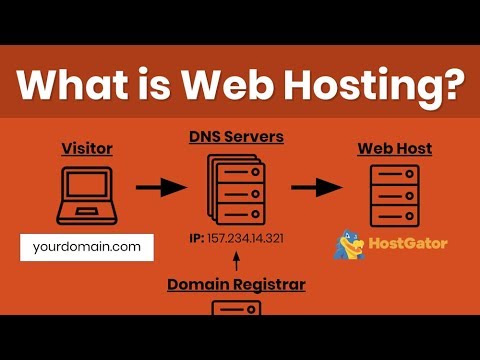
Credit: www.youtube.com
Installing Website Software
Selecting the best platform is crucial. Consider what your site needs. Some platforms offer more features. Others might be simpler to use. Think about your skills. How much time do you have? Pick a platform that suits your needs.
Many hosts offer one-click installations. This makes setup easy. You don’t need tech skills. Just click a button. Your software installs itself. Fast and simple. Perfect for beginners.
Manual installation takes more steps. You need to know what you’re doing. It can be harder. But it gives you more control. Follow the instructions carefully. Make sure you have the right files. Install them step by step.
Website Design And Customization
Choose a template that suits your website’s needs. Look for a design that is simple and clear. The theme should match your brand’s style. This choice is very important. It helps in attracting visitors. A good theme keeps them interested.
Adjust colors and fonts to fit your brand identity. Change images to enhance appearance. Make sure buttons are easy to find. Navigation should be simple. Every element should be in its right place. This makes the site easy to use.
Use plugins to add more features. Extensions help in improving functions. Choose ones that are needed. Avoid too many extras. They can slow down your site. Always update to the latest version. This ensures smooth operation.

Credit: www.youtube.com
Optimizing Website Performance
Fast websites make users happy. Slow load times can cause frustration. Use compressed images for speed. Minimize HTTP requests to improve load times. Reduce file sizes for faster access. Use a content delivery network (CDN) to distribute files. A CDN speeds up loading times.
Caching stores website data. It helps reduce load times. Use browser caching to keep data for future visits. Server caching speeds up data access. Cache static content like images and scripts. Ensure cache expiration is set correctly. Update cache when needed.
Website security is crucial. Protect data from hackers. Use SSL certificates for secure connections. Keep software updated to patch vulnerabilities. Use strong passwords to secure accounts. Firewalls help block threats. Monitor traffic for unusual activity.
Managing And Monitoring Your Site
Regular backups keep your site safe. They help in data recovery. Use tools that create backups automatically. Store backups in different locations. This makes sure you always have access. Daily backups are ideal for busy sites. Weekly backups work for others. Check your backups often. Make sure they are complete and usable. This is key to keeping your site secure.
Site traffic monitoring helps understand visitor behavior. Use tools like Google Analytics. It shows how people find your site. Track visits, clicks, and time spent. See which pages are popular. Adjust content based on traffic patterns. Monitoring helps improve user experience. It can lead to more visitors and engagement.
Common issues can slow your site. Fix them quickly. Website errors are often easy to fix. Look for broken links. Check for missing pages. Slow load times hurt performance. Clear your cache to speed up. Plugins can cause issues too. Update them regularly. Always test after changes. This keeps your site running smoothly.
Frequently Asked Questions
Can I Create My Own Web Hosting?
Yes, you can create your own web hosting by using dedicated hardware or cloud servers. Set up server software, configure DNS settings, and ensure security measures. For beginners, using platforms like cPanel can simplify the process. Ensure you have technical knowledge to manage server maintenance and troubleshooting.
How To Start A Web Hosting?
Choose a reliable hosting provider and select a plan. Register a domain name and configure server settings. Install necessary software and set up control panels. Ensure security measures are in place. Optimize and test your hosting services for performance.
Is Google Web Hosting Free?
Google does not offer free web hosting. Google Cloud Platform provides hosting services, but they are paid. You can explore their free tier with limited resources for testing purposes. For completely free hosting, consider alternatives like GitHub Pages or other free hosting providers.
How Do I Host A Website On My Own Computer?
Install web server software like Apache or Nginx on your computer. Configure server settings, then upload website files to the server. Ensure your computer has a static IP address for accessibility. Use a domain name pointing to your IP address, and keep your computer running to maintain website availability.
Conclusion
Creating your own web hosting is rewarding and accessible. Start by choosing the right server and software. Set up security measures to protect your data. Regularly update your server to ensure smooth performance. Remember, reliable hosting keeps your website running well.
Test everything thoroughly before launching. Troubleshoot issues quickly to keep users happy. With patience and learning, you can host your site successfully. Explore resources and communities for support. Hosting your own site offers control and flexibility. Dive in, experiment, and enjoy the process!


