
Have you ever wondered what makes your favorite websites accessible anytime, anywhere? If you’re curious about the magic behind the scenes, you’re in the right place.
Understanding how web hosting works is the key to unlocking the digital world. Imagine your website as a house, and web hosting as the land it sits on. Without the land, your house has nowhere to stand. Similarly, without web hosting, your website has nowhere to exist on the internet.
This concept might seem complex, but don’t worry! By the time you finish reading this article, you’ll grasp the essentials of web hosting and how it powers the internet. Ready to dive into the world where your online presence comes to life? Let’s get started!
Types Of Web Hosting
Shared hosting is when many websites use one server. It is cheap and simple. Users share resources like memory and CPU. Good for small websites. But, if one site gets busy, others might slow down.
VPS means Virtual Private Server. It is like shared hosting but better. Each website has its own part of the server. More control and powerful than shared hosting. Good for growing websites. Costs more than shared hosting.
Dedicated hosting gives one server to one website. Offers full control and flexibility. Very powerful and fast. Best for big websites with many visitors. It is expensive but worth it for large sites.
Cloud hosting uses many servers at once. It is reliable and scalable. If one server fails, others help. Great for websites needing flexibility. Costs vary based on usage. Suitable for websites that grow fast.
Key Components Of Web Hosting
Servers are like big computers. They store your website files. These files include images, text, and videos. Servers work all day, every day. They show your website when people want to see it. A strong server makes your website fast. This is important. No one likes a slow website.
Bandwidth is like a road. It lets data travel from your server to users. More bandwidth means more data can travel at once. This keeps your site running smooth. If too many people visit at once, low bandwidth can slow things down. So, having enough bandwidth is key.
Storage is the space for your website files. Think of it as a library. Every file needs a spot on the shelf. More storage means more room for your files. This helps your website grow. You can add more photos and videos. More storage keeps your website neat and organized.
Domain Names And Hosting
Every website needs a unique name. This name is called a domain name. People type it in web browsers to find your site. You need to register it through special services. These services are called registrars. They help you choose and secure your domain. This makes sure no one else can use it. Some popular registrars include GoDaddy and Namecheap.
After domain registration, DNS configuration is crucial. DNS stands for Domain Name System. It acts like a phone book for the web. It connects your domain name to your server’s IP address. This helps browsers find your website. Without DNS, users can’t visit your site using the domain name. Most hosting providers offer easy DNS setup.
Hosting Control Panels
cPanel helps manage websites easily. It offers a simple interface. Users can upload files. They can also create emails. cPanel is very popular. It is user-friendly. Many people use it for their sites. It has many tools. These tools make tasks simple. Managing websites becomes easy with cPanel. It is like a website’s control room.
Plesk is another control panel. It is also easy to use. Plesk supports different platforms. It works with Linux and Windows. Users can manage many websites. They can control security settings. Plesk offers many extensions. It helps in website building. It is a strong tool for web management. Many businesses trust Plesk for their needs.
Security Measures In Web Hosting
SSL Certificates are vital for website security. They encrypt data between the user’s browser and the server. This keeps personal information safe. Websites with SSL show a padlock icon in the address bar. Users trust sites with this icon. It’s essential for online transactions. Without SSL, data may be stolen by hackers. Secure your site with SSL certificates.
Firewalls are barriers that block unwanted access. They monitor traffic coming into the server. Only safe data gets through. Firewalls can prevent cyber attacks. They are like guards for your website. Set up a firewall to protect your web data. Keep intruders away and ensure smooth operations.
Regular backups save copies of your website. These copies are stored safely. If your site crashes, you can restore it. Backups are lifesavers during emergencies. They prevent data loss. Make backups a routine practice. Protect your information from unexpected failures.
Credit: safiakhatoon.hashnode.dev
Choosing The Right Web Host
Picking the right web host starts with understanding your needs. Think about how much storage you need. Consider the type of website you want. A simple blog needs less than an online store. Look at your budget too. Some hosts cost more than others. You should also consider how much traffic you expect. More traffic needs more power.
There are many web hosting providers. Make sure to read reviews. Good reviews mean happy users. Check their uptime. Uptime means how often the site is online. Look for at least 99% uptime. See if they have customer support. Good support helps when things go wrong. Compare features. Some offer free domains or SSL certificates. Finally, test their speed. Faster hosts make happy users.
Future Of Web Hosting
Web hosting is changing fast. New technologies make hosting better. Cloud hosting is popular. It is more flexible and scalable. People can store data in different places. This means better performance and security. Virtual servers are also improving. They are faster and more reliable. This helps websites load quickly.
Artificial Intelligence is helping web hosting too. AI can predict problems before they happen. This keeps websites online all the time. AI helps with security too. It finds and stops threats quickly. Chatbots are powered by AI. They help users with their hosting questions. AI makes web hosting smarter and more efficient.

Credit: www.znetlive.com

Credit: www.hostinger.com
Frequently Asked Questions
How Does Web Hosting Work?
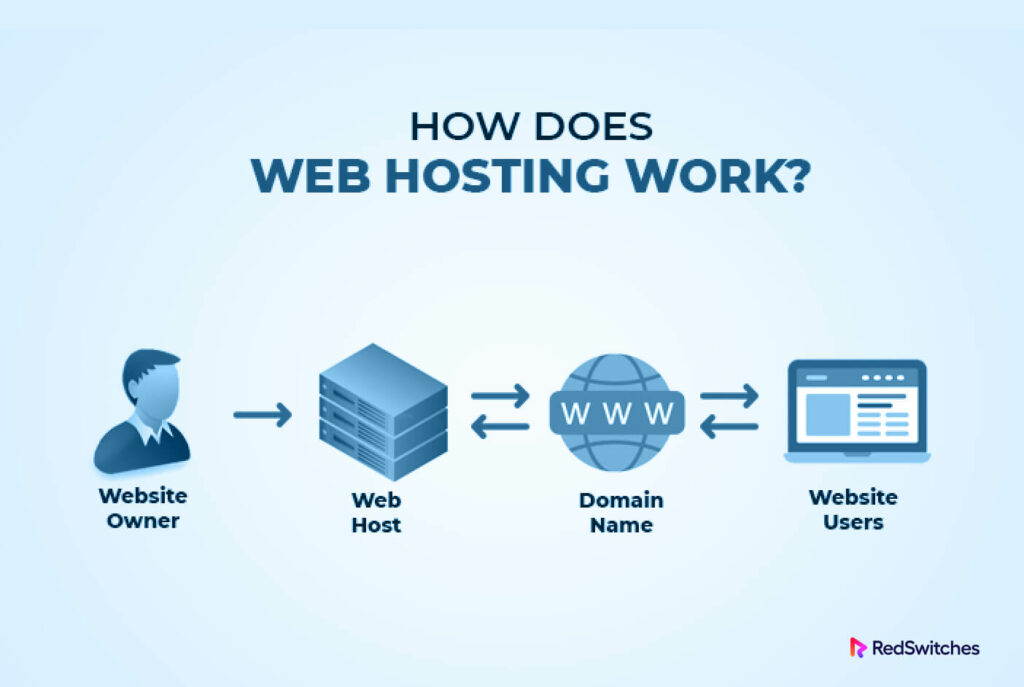
Web hosting stores your website files on a server, making them accessible online. Web hosting providers offer server space and resources. Users access your website via a domain name, which directs them to the server. Hosting ensures your site runs smoothly, handling traffic and providing necessary support.
What Are The 3 Types Of Web Hosting?
The three types of web hosting are shared hosting, VPS hosting, and dedicated hosting. Shared hosting is cost-effective, offering shared resources. VPS hosting provides more control with virtual servers. Dedicated hosting offers exclusive resources for high traffic websites. Choose based on budget, scalability, and website needs.
How Much Does Web Hosting Cost Per Month?
Web hosting costs vary, starting around $3 to $10 monthly for shared hosting. VPS hosting may range from $20 to $100. Dedicated servers can cost $80 to $300 monthly. Prices depend on features, provider, and hosting type. Always compare options to find the best fit for your needs.
What Is The Process Of Hosting A Website?
To host a website, register a domain name. Choose a reliable hosting provider. Upload your website files using FTP. Configure DNS settings to point to your hosting server. Test the website to ensure it’s live and functioning correctly.
Conclusion
Web hosting is the backbone of any website. It stores your site’s data. Allows users to access your content anytime. Choosing the right host is crucial. It impacts your site’s speed and reliability. A good host ensures your site runs smoothly.
Protects it from crashes. Also, offers technical support when needed. Understanding web hosting helps you make informed decisions. It ensures your site reaches your audience effectively. And that’s key to online success. Always explore options to find the best fit.
Your website deserves a strong foundation.


