
Have you ever thought about starting your own web hosting business? It might sound complex, but with the right guidance, you can turn this idea into a profitable venture.
You don’t need to be a tech wizard or have a big budget to get started. With the surge in online businesses and personal websites, the demand for reliable web hosting is skyrocketing. Imagine being the go-to expert who helps businesses and individuals carve out their own space on the internet.
We’ll break down the steps to launch and grow your web hosting business. You’ll discover how to choose the right tools, attract customers, and stand out in a competitive market. Ready to explore a business opportunity that fits right into the digital age? Let’s dive in and see how you can make it happen!
Starting A Web Hosting Business
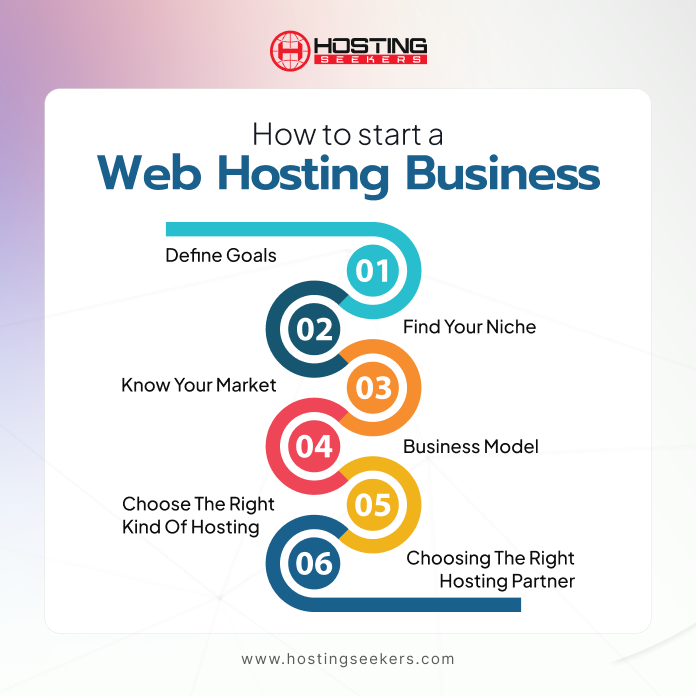
Find the right niche for your web hosting service. It helps you stand out. Look at what people need. Focus on what is missing in the market. Offer unique services for special groups. Some niches are small businesses, bloggers, or online stores. Each has different needs. Choose a niche you understand well. Make sure there is a demand for it. This will help you attract customers.
Look at your competitors. See what they offer. Find their strengths and weaknesses. This helps you improve your services. Check their prices and customer reviews. Learn what customers like or dislike. Offer something better or cheaper. Understand their marketing strategies. This helps you plan your business. Knowing your competitors makes you stronger.
Credit: www.hostingseekers.com
Essential Tools And Technologies
Choosing the right server is crucial. It affects speed and reliability. A server with enough RAM and storage is needed. Always check the processor power. It should handle many users. Backups are important. They keep data safe. A good server offers daily backups. Ensure the server has a secure connection. This protects user data. Consider the server’s location. It impacts loading times.
A control panel helps manage web hosting. It should be easy to use. Many choose cPanel for its features. Another option is Plesk. It is known for flexibility. DirectAdmin is simple and fast. The control panel must support different languages. This helps non-English speakers. Always check if it has a backup option. This protects websites. Look for a panel with security features. It should stop threats.
Building Your Hosting Infrastructure
A data center is like a big, safe house for computers. It keeps them cool and safe. Pick a location close to your users. This makes websites load faster. Check the center’s power supply. It should have backup power. Look at their security. Good data centers have guards and cameras. Also, check the internet speed. Faster is better. Finally, ask about support. You might need help sometimes. It’s good to have someone to call.
Network configuration is like setting up a road for data. You need a reliable network. This means less downtime. Choose a good firewall. It keeps your data safe. Use load balancers. They help in sharing work. Monitoring tools are important too. They tell you if something is wrong. Always have a backup plan. This helps during problems. A good network setup makes users happy.
Developing Service Plans
Choose prices that cover your costs and make a profit. It’s vital to keep prices affordable to attract more customers. High prices might scare them away. Offer different plans to fit different needs. Small plans for beginners. Bigger plans for heavy users. Customers like choices. Make sure your prices are fair.
Include features like disk space, bandwidth, and support. Customers need these for their websites. Offer extra features for advanced users. Like databases and email accounts. Be clear about what each package includes. A simple list helps customers decide. They should know what they get for their money. Make your packages clear and easy to understand.
Marketing Your Hosting Services
Online ads help people find your services. Google Ads and Facebook Ads are popular choices. They show your ads to many people. You can set a budget and choose keywords. This way, you control who sees your ads. Ads can bring more visitors to your site. More visitors mean more business. It’s important to make your ads clear and simple. Use easy words and bright pictures. This catches people’s eyes fast.
Social media is a great way to talk to people. Facebook, Twitter, and Instagram are popular platforms. Share fun and helpful posts. This keeps followers interested. Ask questions to engage them. This starts conversations. Reply to comments quickly. It shows you care. Make sure your posts are easy to read. Use simple words and short sentences. This helps everyone understand.
Customer Support And Management
Customers need easy ways to ask for help. Offer options like live chat, email, and phone support. Live chat is quick and helps people fast. Email is good for detailed questions. Phone support is personal and builds trust. Make sure all channels work well. Keep them open every day. This helps customers feel valued. They will trust your business more.
Happy customers are key to success. Listen to their needs and concerns. Respond quickly to their messages. Use customer relationship management (CRM) tools to track interactions. This helps keep records of past issues. It also helps in providing better service next time. Always be polite and friendly. Show customers that you care. A happy customer will tell others about your service. This brings in more business.
Scaling Your Business
Growing a hosting business needs strong infrastructure. Add more servers for better performance. Ensure fast and reliable connections. Consider cloud-based solutions. These offer flexibility and scalability. Use monitoring tools for efficient management. This helps spot issues early. Keep your data safe. Use backup systems. Security is crucial. Protecting your clients builds trust.
Offer various services to attract different customers. Include domain registration. Provide email hosting. Offer website builders. Variety increases customer interest. Packages can target small businesses. Or large enterprises. Custom solutions are appealing. They meet specific needs. Customer support is key. Provide 24/7 assistance. Make it easy for clients to reach you. Happy clients stay longer.
Legal And Compliance Considerations
Running a web hosting business means following the rules and laws. Different countries have different laws. Knowing these laws is very important. Violating them can lead to big problems. Some places have strict internet rules. Others might be more relaxed. Always check the rules in your area. Make sure your business is legal everywhere you operate.
Protecting data is crucial. Users trust you with their personal information. Keep this data safe from hackers. Use strong passwords and security measures. This builds trust with users. Following data protection laws is a must. It helps you avoid fines and legal issues. Regularly update your security protocols. This ensures all data is protected.
Monitoring And Analytics
Keeping an eye on your website’s speed is crucial. Use tools to measure how fast your site loads. A fast site keeps visitors happy. Slow sites can cause users to leave. Track the uptime of your server. Ensure your site is always available. Downtime can hurt your business. Monitor the resources your server uses. This helps in planning for future growth. Analyze data to find any patterns or issues. Fix them quickly to maintain performance.
Listening to customers is very important. Gather feedback through surveys and reviews. This helps understand user needs. Positive feedback shows what works well. Negative feedback points out problems. Use this information to make improvements. Happy customers are more likely to return. Check for common themes in feedback. This can guide your changes. Regularly review feedback for ongoing improvement.
Credit: www.isitwp.com
Credit: verpex.com
Frequently Asked Questions
How Do You Start A Web Hosting Business?
Begin by researching the web hosting industry and selecting a niche. Choose reliable server providers and set up hosting plans. Design a professional website and integrate a payment system. Focus on marketing strategies to attract customers and provide excellent customer support for retention.
Is Web Hosting Profitable?
Yes, web hosting can be profitable. It offers recurring revenue and high demand as businesses move online. Success depends on quality service, competitive pricing, and effective marketing strategies.
What Are The 3 Types Of Web Hosting?
There are three types of web hosting: shared hosting, VPS hosting, and dedicated hosting. Shared hosting shares server resources among multiple sites. VPS hosting provides a virtual server with dedicated resources. Dedicated hosting offers an entire physical server exclusively for one website, ensuring maximum control and performance.
How Do I Get Started With Web Hosting?
Choose a reliable web hosting provider. Sign up for a hosting plan. Register your domain name. Set up your website using a content management system. Publish and manage your site.
Conclusion
Starting a web hosting business can be rewarding. Keep your plans simple. Focus on reliable service and customer support. Understand your audience’s needs. Offer competitive pricing and flexible packages. Regularly update your technology. Build a solid online presence. These steps help grow your business.
Stay committed and patient. Success takes time. Keep learning and adapting. This journey will test your skills. Embrace challenges and celebrate small victories. Your dedication can lead to a thriving business.


