
Are you looking to enhance your WordPress site with a seamless login experience? Creating a custom login form in your WordPress theme is easier than you might think.
Not only does it improve user experience, but it also adds a professional touch to your website. Imagine the satisfaction of having a tailored login page that reflects your brand’s identity, all while ensuring a smooth and secure user access.
In this guide, you’ll discover step-by-step instructions that make the process straightforward, even if you’re not a coding expert. Ready to transform your login page into something extraordinary? Let’s dive in and unlock the potential of your WordPress theme.
Understanding WordPress Themes
Creating a login form in a WordPress theme involves using custom code or plugins. Start by designing the form layout and styling it with CSS. Integrate it with WordPress authentication functions to ensure secure user access.
What Is A WordPress Theme?
A WordPress theme is a tool to change your site’s look. It offers different styles and layouts. You can pick colors and fonts. Themes make websites look unique. They help in creating a brand identity. Using a theme is easy, even for beginners. You don’t need to code. Just pick a theme and apply it. Themes come in free and paid versions. Choose one that fits your needs.
Role Of Themes In Website Design
Themes play a big role in website design. They control the layout and style. This helps in making the site user-friendly. A good theme attracts visitors. It makes the site easy to navigate. Themes improve the site’s speed too. Fast sites are good for users. They keep people on the site longer. Themes also affect SEO. A well-designed theme helps in better ranking. Always pick a theme that is responsive. This means it works on all devices, like phones and tablets.
Credit: www.isitwp.com
Importance Of Login Forms
Login forms make websites feel personal. Users access special features. Easy navigation is key. A clear form helps users sign in quickly. Visitors feel welcomed when it’s simple. User-friendly designs improve satisfaction. Happy users return often. It’s important to keep forms neat.
Security is vital for login forms. Protect user data with strong passwords. Use encryption to keep information safe. Hackers often target weak forms. Secure forms prevent unauthorized access. Always update security measures. Ensure data remains private. Users trust secure websites more. Confidence in safety boosts user numbers.
Setting Up Your Development Environment
First, install a local server like XAMPP or MAMP. These help run WordPress on your computer. Download WordPress from the official site. Extract the files into your local server’s htdocs folder.
Open your browser and type localhost in the address bar. Follow the steps to set up WordPress. Create a new database in phpMyAdmin. Choose a name you like. Connect it during the WordPress setup. Now, WordPress is ready to use locally.
Pick a theme that is simple and easy to customize. Free themes are available in the WordPress theme directory. Make sure the theme supports custom login forms. Check the theme’s documentation for more details.
Some themes come with built-in options. These options help create login forms. Choose a theme with lots of support and updates. This makes your work easier. A good theme saves time and effort.
Creating A Custom Login Form
WordPress hooks help to change the login form. They let you add or remove fields.
Add custom styles to make the form look good. Hooks are like tools in WordPress.
They make tasks easy. Begin with the wp_login_form function.
It’s simple to use and lets you change the form.
Next, use the login_enqueue_scripts hook.
It helps to add your own CSS or scripts.
Also, consider the login_head hook.
It customizes the login page header.
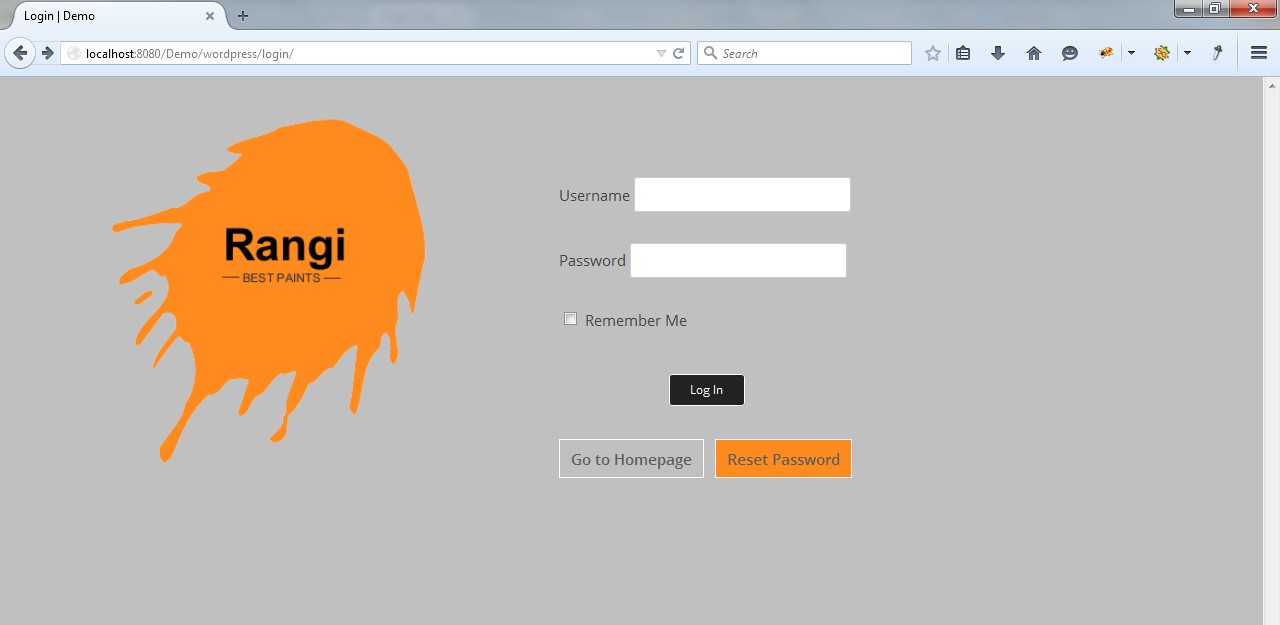
Change the form to match your site. Use CSS for colors and fonts. Make the form user-friendly. Add a logo to personalize it. You can add welcome text too. User experience is important. Keep it neat and simple. Remove any unnecessary fields. Make sure the form works well on phones. Mobile users are important.
Styling The Login Form
CSS makes your login form look nice. You can change colors and fonts. Use padding to add space around buttons. Margins can move things up and down. Create rounded corners with border-radius. Make text bold with font-weight. Use background-color to add color. Make sure text is easy to read. Align items to the center for a balanced look. Add hover effects for buttons. It makes them change when clicked. Test changes on different screens.
Design should fit all screen sizes. Use media queries to adjust styles. Make buttons and text easy to click. Avoid small fonts. Flexbox helps in arranging items. Grid layout makes positioning easy. Test on phones and tablets. Ensure the login form is easy to use. Keep it simple and clean. Avoid too much information. Users should find it easy to fill out.
Credit: theme4press.com
Adding Functionality To The Login Form
Ensure your login form connects to user management. This lets users access their accounts easily. Use WordPress functions to check user credentials. Store user data securely. User roles help manage access levels. Use them wisely. They define what users can do. Proper integration enhances user experience. Make sure every user feels safe.
Security is crucial for login forms. Use strong passwords. Force users to create them. Enable two-factor authentication. This adds an extra layer of protection. Protect user data with SSL encryption. Check for brute force attacks regularly. Implement measures to stop them. Always update security plugins. Keep the login form secure and reliable. Users trust safe websites. Be vigilant in maintaining security.
Testing And Debugging
Common Issues and Fixes often appear in login forms. These issues can include incorrect credentials, missing fields, or invalid input. To fix incorrect credentials, check the username and password. Ensure they match the stored data. Missing fields can cause errors too. Always ensure all required fields are filled. Invalid input might be a common problem. Check the format of the input. Make sure it follows the expected pattern.
Ensuring Cross-Browser Compatibility is crucial. Different browsers may display forms differently. Test the login form in various browsers like Chrome, Firefox, and Safari. Look for alignment issues or broken elements. Use browser developer tools to identify problems. Adjust CSS if necessary. This ensures all users have the same experience. Consistent appearance across browsers builds trust.
Deploying Your Custom Login Form
Migrating from Local to Live Server can be tricky. Start by backing up your data. Ensure all files and databases are safe. Use a reliable plugin for this process. Upload your files to the live server. Check everything twice. Make sure paths and links work. Test the login form. Fix any bugs you find.
Monitoring User Interactions is important. Use tools to track user behavior. See how users interact with your form. Adjust the form based on their actions. Simplify steps if needed. This helps users have a better experience. Happy users come back more often.
Advanced Customizations
Creating a login form in a WordPress theme involves customizing the theme files. Start by modifying the functions. php file to include the necessary login form functions. Then, use CSS to style the form for a seamless look with your website.
This enhances user experience and site functionality.
Adding Social Media Login Options
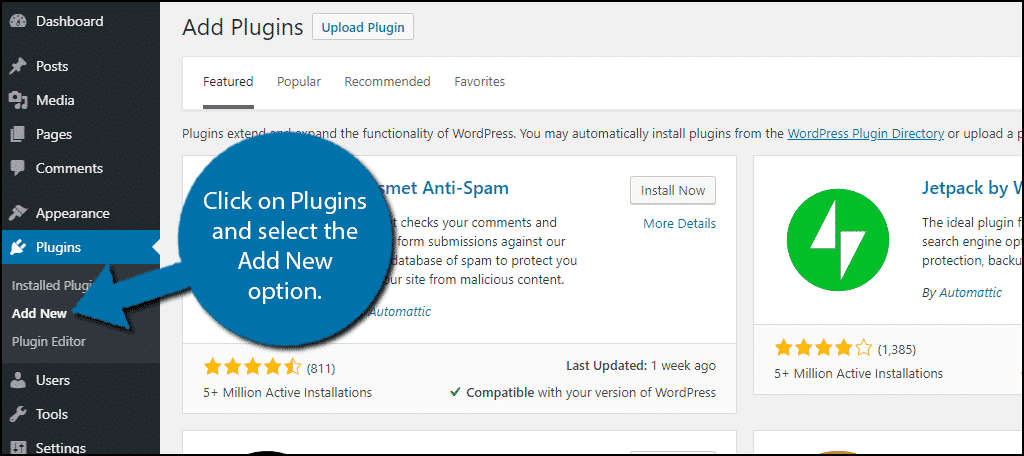
Integrating social media login options can simplify user access. Many plugins support social logins. Choose one that fits well with your theme. Users can log in using Facebook or Google accounts. It saves time and adds convenience for them. Ensure you configure settings correctly. Check privacy and data sharing rules. This helps maintain user trust and security. Social logins can boost engagement on your site. Users find it easy and quick to access content.
Customizing Login Form Redirects
Redirects guide users to specific pages after login. Customize redirects to enhance user experience. Direct users to a welcome page or dashboard. This helps users find important information quickly. Use plugins to manage redirect settings. Test redirects to ensure they work smoothly. Redirects improve site navigation and user satisfaction. They help users reach desired content effortlessly.
Credit: www.greengeeks.com
Frequently Asked Questions
How Do I Add A Login Form To My WordPress Theme?
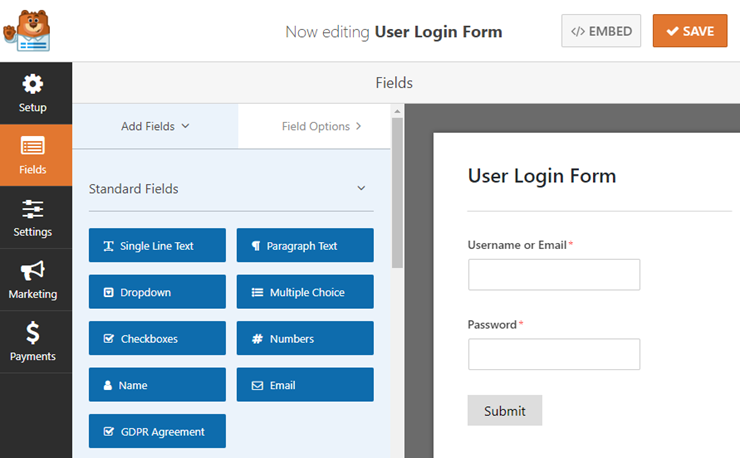
To add a login form, use the `wp_login_form()` function in your theme’s PHP files. Customize it with parameters for labels, redirects, and CSS classes. Alternatively, use plugins like WPForms or Theme My Login for more advanced features and ease of integration without coding.
Can I Customize The Login Form Design?
Yes, you can customize the design using CSS. Add custom styles to your theme’s stylesheet or via the Customizer. You can also use plugins to add advanced design options and functionality. Ensure your design aligns with your theme’s overall aesthetics for a seamless user experience.
What Plugins Help Create Login Forms?
Plugins like WPForms, Theme My Login, and LoginPress offer easy login form creation. They provide templates, customization options, and additional features like social login and CAPTCHA. These plugins are user-friendly and enhance security and design flexibility without needing extensive coding knowledge.
Is Coding Necessary For Login Form Creation?
No, coding isn’t necessary if you use plugins. Plugins like WPForms offer drag-and-drop functionality, making form creation simple. For more customization, basic HTML and CSS knowledge can be beneficial. However, plugins streamline the process, providing advanced features without coding.
Conclusion
Crafting a login form in WordPress is straightforward. It boosts user experience significantly. Follow the steps carefully to ensure success. Customizing your form makes it unique and inviting. Test the form thoroughly for any errors. User-friendly design attracts more visitors and builds trust.
Regular updates keep your form secure. A smooth login process enhances website interaction. Your WordPress theme will benefit greatly from a seamless login feature. Keep learning and improving your skills. Happy designing!


