
Are you eager to share your HTML skills with the world but unsure how to start? Hosting an HTML class online might sound complicated, but with the right guidance, it can be simple and rewarding.
Imagine reaching students far and wide, expanding your teaching impact beyond physical boundaries. Whether you’re a seasoned web developer or a passionate beginner, hosting an HTML class on the web can be your next exciting venture. In this guide, you’ll discover practical steps to set up your online class, engage your audience, and make your teaching shine.
Get ready to transform your knowledge into an engaging online experience that captures attention and fosters learning. Keep reading to unlock the secrets of successful online teaching and watch your class grow in popularity.
Credit: www.reddit.com
Choosing A Platform
Free platforms are great for beginners. They have basic features. Paid platforms offer advanced tools. They provide better support too. Free options have limits. Paid ones can be more flexible. Choose based on needs and budget.
Pick platforms that are easy to use. Look for simple menus. A clear design helps a lot. User-friendly platforms save time. They make tasks easier. Good interfaces are important for a smooth experience.
Scalability matters if your class grows. Choose platforms that handle more users. They should support extra features. Scalability ensures your class runs smoothly. It’s vital for future plans. Think about growth when choosing.
Setting Up A Domain
Pick a name that is easy to remember. This helps people find your class quickly. Short names are better. Avoid numbers and special symbols. Make sure it’s unique and not used by others. Check for trademarks. This keeps you out of trouble. Use words related to your class. This helps search engines and students.
Go to a domain registrar website. Type the name you want. Check if it’s available. If it is, you can register it. Provide your contact details. Pay a small fee. This gives you the right to use the name. Keep your login details safe. You will need them later.
DNS is like an address book for the internet. It helps browsers find your class. Log in to your domain account. Find the DNS settings. Update the records with your server’s address. This links your domain to your class content. Changes might take a few hours to work. Be patient.
Web Hosting Selection
Shared hosting is like sharing a big house with friends. Everyone uses the same resources. It is cheaper but can be slower. Dedicated hosting is like having your own house. No sharing with others. It costs more but is faster. Choose based on your needs and budget.
Check reviews from other users. They help you know the provider’s quality. Look for a company with good customer support. This is important when you have problems. Compare prices, features, and services. Find the best fit for your needs.
Bandwidth is the amount of data your site can use. More bandwidth means more visitors can see your site. Storage is the space for your files. Pictures, videos, and content use storage. Make sure you have enough for your class.
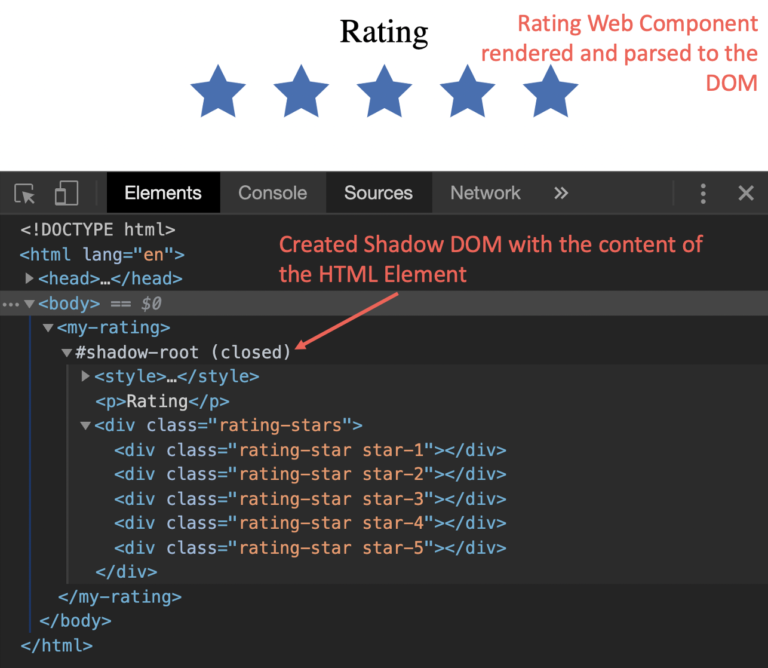
Credit: www.thinktecture.com
Creating Html Content
HTML is like the skeleton of a website. It uses tags to build structure. Tags are like labels. They tell the computer what to do. A simple example is the tag. It is used for paragraphs. Tags often come in pairs. The first tag says “start.” The second tag says “end.” Always remember to close your tags.
CSS makes your HTML look pretty. It changes colors, sizes, and more. You can make text bold or colorful. CSS uses selectors to pick elements. Then, it styles them. You can write CSS in a separate file. Or, you can include it in your HTML. This makes your site look attractive.
JavaScript adds fun actions to your website. Buttons can change the page. Forms can check for errors. JavaScript makes pages interactive. It uses scripts to tell what to do. Scripts can be in the HTML or in separate files. They make web pages lively.
Uploading Files To The Server
FTP clients help move files to the server. They use a special program. FileZilla is a popular choice. Open the program. Enter your server details. You see your files on one side. The server files are on the other side. Drag the files from your computer to the server. Wait until upload finishes.
Good organization makes it easy to find files. Create folders with clear names. Group similar files together. Keep HTML files separate from images. Use a simple naming system. Avoid using spaces in file names. Use underscores instead. Check your file paths. Make sure they are correct.
File security keeps your data safe. Use strong passwords for your server. Change them often. Update your software regularly. Secure your files with permissions. Limit access to important files. Backup your files regularly. Save copies in different places.
Testing The Website
Websites must work on all browsers. Chrome, Firefox, and Safari are popular. Test the website on each browser. Check if images load correctly. Ensure text displays well. Videos should play smoothly. Different browsers can show websites differently. Fix any problems you find. This makes users happy.
Many people use phones to surf the web. Websites must look good on phones. Check if buttons are big enough. Text should be easy to read. Images must adjust to screen size. Phones and tablets are different from computers. Test on different devices. Make sure everything works well. This helps users enjoy your site.
Problems can happen on websites. Debugging helps fix these problems. Use tools like DevTools in browsers. Look for errors in code. Check for broken links. Ensure forms submit correctly. Errors can confuse users. Fix them to make the site better. Users will have a smooth experience.
Promoting The Html Class
Hosting an HTML class online involves choosing a platform like Zoom or Google Meet. Create a structured lesson plan and share materials via email or cloud services. Engage students with interactive activities and Q&A sessions to enhance learning.
Leveraging Social Media
Social media is a powerful tool. Share your class details online. Use platforms like Facebook and Instagram. Post regularly to keep interest alive. Invite friends to share your posts. Engage with comments and messages. Respond quickly to keep users interested. Social media can boost your class attendance.
Using Email Marketing
Emails reach many people at once. Gather email addresses from interested folks. Send updates about your class. Use a simple subject line. Include details and benefits of attending. Keep the email short and easy to read. Regular emails keep your class on their mind.
Creating Engaging Content
Content keeps your audience hooked. Write about HTML tips and tricks. Use simple language to explain concepts. Share examples and visuals. Make content interactive with quizzes. Encourage questions and discussions. Good content keeps students interested in your class.
Gathering Feedback
Surveys are a great way to understand student needs. They help you know what works best. You can ask simple questions. Questions like what they liked or did not like. Use online tools for surveys. These tools make it easy to collect answers.
Feedback helps you improve your class. Listen to what students say. Change parts that need fixing. Add new ideas from their suggestions. Make your class better each time. Students will enjoy it more.
Engagement keeps students interested. Ask questions during class. Give them fun tasks to do. Let them share their thoughts. This makes learning fun. It also makes them feel heard.

Credit: www.reddit.com
Frequently Asked Questions
How Do I Host An Html Website Online?
Choose a web hosting provider and register a domain name. Upload your HTML files using an FTP client. Configure settings and ensure your website is live. Test your site for functionality. Optimize for SEO to enhance visibility.
Can Google Sites Host Html?
Google Sites does not support hosting HTML files directly. You can embed HTML through the embed code option. For more complex HTML needs, consider using other hosting platforms.
Can You Host An Html Website For Free?
Yes, you can host an HTML website for free using platforms like GitHub Pages, Netlify, or Vercel. These services provide free hosting solutions for static sites, allowing you to showcase your HTML projects without cost. Simply sign up, upload your files, and start sharing your website online.
How Do I Publish My Html Css Website?
To publish your HTML CSS website, buy a domain and hosting. Upload your files via a file manager or FTP. Ensure your index. html is in the root directory. Confirm your website is live by visiting your domain. Use a responsive design for better user experience.
Conclusion
Hosting a HTML class online is easier than it seems. Start with a simple webpage. Share your knowledge with others. Use free platforms like Zoom or Google Meet. Create engaging presentations. Interact with your students. Encourage questions and discussions. Keep your lessons clear and concise.
Build a supportive learning environment. Your efforts will inspire others. You can help them grow. Hosting a class opens up new possibilities. It connects learners worldwide. Embrace this opportunity to teach and learn. You can make a difference. Your journey begins now.


