
Are you eager to give your WordPress website a fresh new look but unsure where to start? Changing your theme information can transform your site, making it more appealing and engaging for your visitors.
Imagine capturing your audience’s attention from the moment they land on your page, boosting both your site’s aesthetics and functionality. In this guide, you’ll discover how to effortlessly change theme information in WordPress, unlocking a world of customization possibilities. By following these simple steps, you can enhance your site’s user experience, increase engagement, and make your online presence truly memorable.
Dive in, and let’s explore how you can revamp your WordPress theme to reflect your unique style and brand identity.
Choosing A New Theme
Choosing a theme can be fun. Themes change the look of your site. They also make your site feel different. You need to find a theme that works with your site. Some themes may not work well with your plugins. Others may not support your content type. Read reviews to know more about the theme. Check if the theme gets updates. This will keep your site secure.
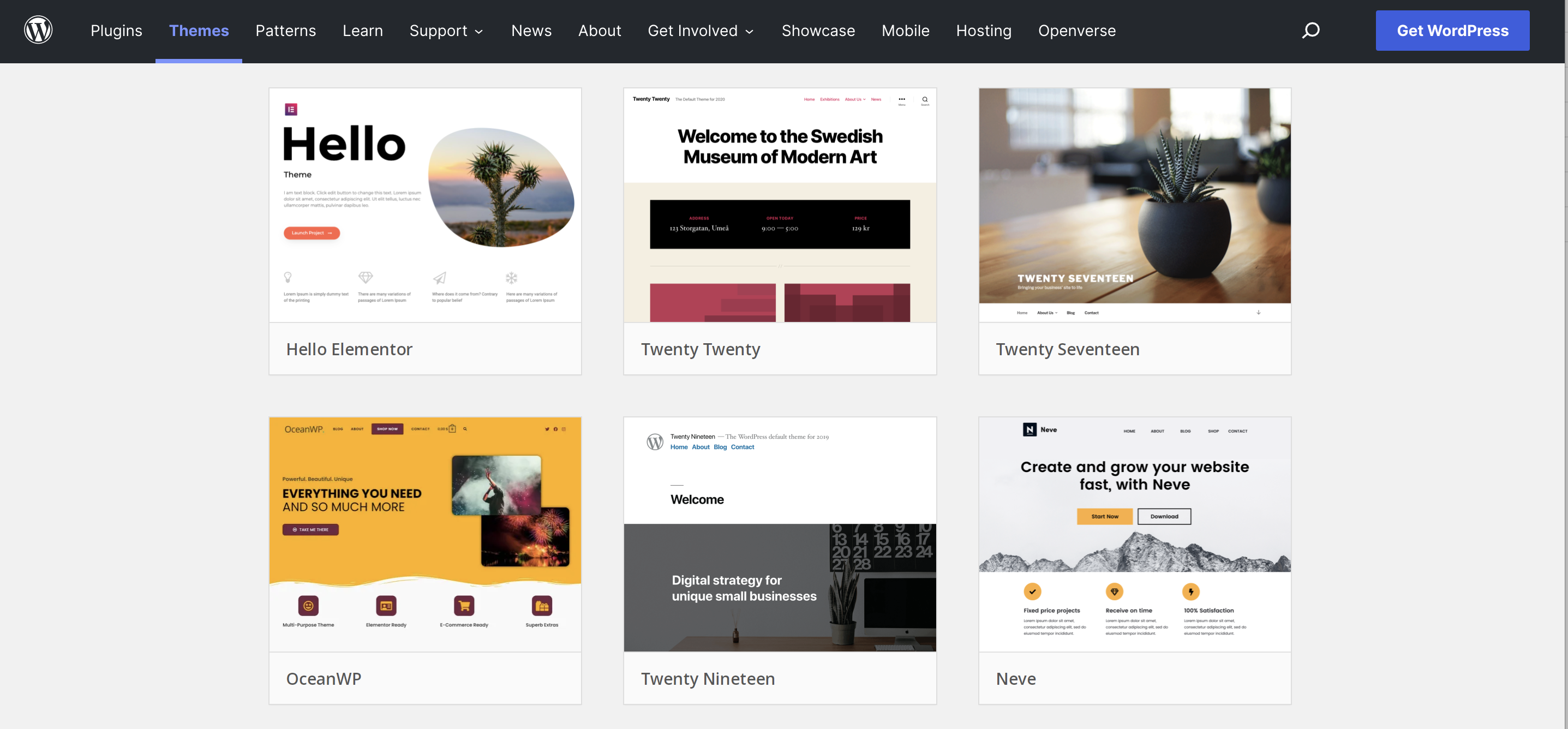
Previewing a theme is easy. It helps you see how your site will look. You can do this without installing the theme. Go to the theme’s page and click “Live Preview”. This shows how your content fits. Make sure the theme looks good on phones and tablets. This is important because many people use mobile devices.
Installing The Theme
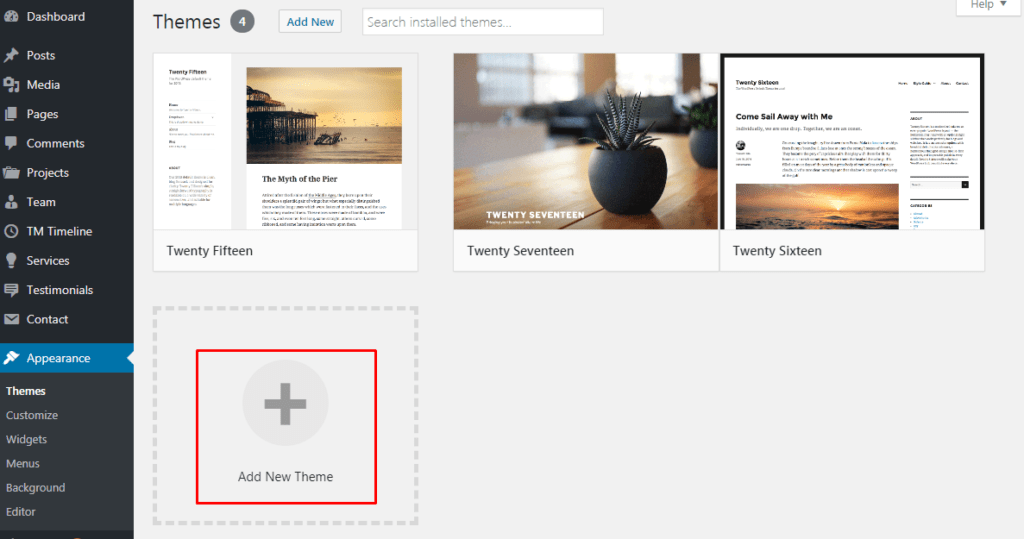
Log in to the WordPress dashboard. Find the Appearance option. Click on Themes. Look for the Add New button. You can search for themes here. Choose your favorite theme. Click on Install. Wait for a few seconds. Click Activate to use the theme. Your site now looks different. Check to see the changes. Make sure everything looks good.
Download the theme as a .zip file first. Open the WordPress dashboard. Go to Appearance. Click on Themes. Hit the Add New button. Look for Upload Theme. Click on it. Select the .zip file. Click on Install Now. Wait a little. Click Activate. Your theme is now ready. Visit your site. Enjoy the new look. Everything should work fine.
Customizing Theme Settings
Find the layout settings in your theme panel. Choose a layout you like. Some themes have grid or list options. Try different layouts to see what looks best. Save your changes when you are happy.
Go to the color settings in your theme. Pick colors that suit your style. You can change the background, text, and link colors. Always preview before saving. Make sure colors are easy to read.
Widgets add extra features to your site. Find the widget section in the theme settings. Drag and drop widgets to your sidebar or footer. Common widgets include search bars, archives, and categories. Customize each widget to fit your needs.
Credit: jetpack.com
Updating Theme Information
First, go to your WordPress dashboard. Click on Appearance. Then, select Theme Editor. This lets you see the theme files. You can pick any file to edit. Be careful! Wrong changes can break your site.
Always back up your files first. It’s important to have a copy. Use a child theme for changes. This keeps original files safe. A child theme holds your edits. If you need help, ask someone who knows code. This way, your site stays working well.
Using Child Themes
Child themes are like copies of main themes. They help you keep original themes safe. You can change parts without losing data. This is important for updates. Updates won’t break your changes. Only the child theme gets updated.
Creating a child theme is easy. First, make a new folder. Name it after your parent theme. Add “-child” at the end. Next, make two files. One is style.css. The other is functions.php. The style.css file keeps design details. The functions.php file keeps code changes.
Child themes save time and work. They make updates easy. You can customize without fear. Safe changes are possible. Parent themes stay untouched. This is great for beginners. Mistakes are not big problems. Simply fix the child theme.
Credit: www.templatemonster.com
Testing And Troubleshooting
Themes sometimes don’t work with all plugins. First, check if the theme works. Deactivate all plugins. Then, activate them one by one. Observe any problems. If a problem arises, the last plugin might be the cause. Use a different plugin if needed. Check if the theme works with different browsers. Some themes work well only on certain browsers. Confirm the theme is compatible with your WordPress version. If not, update your WordPress.
Don’t worry if the new theme causes issues. It’s easy to go back. Log in to the WordPress dashboard. Go to “Appearance” and select “Themes”. Find your old theme. Click “Activate” to restore it. Your website will look like before. Back up your site before making big changes. This helps keep your data safe. Always test new themes on a demo site first.
Maintaining Theme Updates
Themes need regular updates. Updates keep themes secure and bug-free. New updates bring better features. They also fix old problems. Themes can break without updates. They might not work with new WordPress versions. So, always update your themes.
Automating updates saves time. It also avoids missed updates. Use plugins to help. Some plugins update themes automatically. Set a schedule for updates. Choose daily, weekly, or monthly updates. Check that updates are successful. This keeps your site running well.

Credit: wordpress.com
Frequently Asked Questions
How To Access Theme Editor In WordPress?
To access the theme editor in WordPress, navigate to the dashboard. Click on “Appearance” and then select “Theme Editor”. Here, you can edit theme files directly. Always ensure you have a backup before making changes to avoid any errors or loss of data.
Can I Change Theme Information Without Coding?
Yes, you can change theme information without coding. Use the WordPress Customizer by navigating to “Appearance” > “Customize”. Here, you can modify various theme settings, such as colors, fonts, and layout. Some themes offer advanced customization options for easier editing.
What Is The Safest Way To Edit Theme?
The safest way to edit a theme is by using a child theme. This ensures that your modifications won’t be lost during updates. Create a child theme by copying the parent theme’s directory and make changes there. Plugins like Child Theme Configurator can help streamline this process.
How Do I Update Theme Details In WordPress?
To update theme details, go to “Appearance” > “Theme Editor”. Locate the style. css file to modify theme name, author, or version. Ensure you have backups before editing. Alternatively, use plugins like “Theme Info” for easier management without coding.
Conclusion
Changing your WordPress theme information is easy. Follow the steps carefully. Always back up your site first. This prevents any data loss. Use the WordPress dashboard for changes. It’s user-friendly and efficient. Double-check your updates for accuracy. This ensures your site looks great.
Feel free to experiment with settings. Customizing themes can enhance your site. Make sure your new theme matches your brand. This keeps your website consistent. Keep learning and exploring WordPress features. It offers flexibility and control. Enjoy the process of making your site unique.
Your online presence matters.


