
Are you ready to give your WordPress site a fresh new look but feel overwhelmed by the endless sea of themes? Choosing the right theme can make or break your website’s user experience and overall appeal.
It’s not just about aesthetics; a theme defines how your content is presented, how your visitors interact with your site, and even how well your site ranks in search engines. But don’t worry, you’re not alone in this journey. In this guide, you’ll discover simple, effective strategies to browse WordPress themes that align with your vision and your brand.
You’ll learn how to filter through the noise and focus on what truly matters, ensuring that your choice resonates with your audience and boosts engagement. Let’s dive in and find the perfect theme that speaks to you!
Choosing The Right Platform
WordPress is a popular choice for building websites. It offers many themes. Each theme gives your site a unique look. Many themes are free. Some need payment. Picking the right platform is important. A good platform is easy to use. It should have many options. This helps in customizing your site.
Responsive design is crucial today. It means your site looks good on all devices. Choose a platform that supports this. Some platforms have built-in SEO tools. This helps in getting more visitors. Ensure the platform has good support. You might need help sometimes. Good support can solve problems fast.
Credit: www.elegantthemes.com
Exploring WordPress Theme Repository
WordPress has a big collection of themes. This is called the WordPress Theme Repository. Users can find many free themes here. Each theme has a unique design. Some themes are simple. Others are colorful and creative. Searching for themes is easy. Use the search bar to find themes. Themes can be sorted by popularity or latest updates. Read user reviews to know more. Reviews help understand theme quality. Most themes have a demo. The demo shows how a theme looks live. Users can try different demos before choosing.
Utilizing Theme Search Filters
Theme search filters help find the best theme. They save time and effort. Filters can narrow down options. Choose themes by color, layout, or style. Make sure to select the right category. This helps in finding the perfect match. It’s easy and fun!
Beginners can try simple filters. Advanced users might use more detailed ones. Some filters show only free themes. Others might show premium options. Explore all features before deciding. This ensures you pick the right theme.
Navigating Popular Theme Categories
WordPress has many theme categories to explore. Each category has unique designs and features. Business themes are perfect for companies. They offer a professional look and feel. Portfolio themes help artists show their work. They make photos look stunning. Blog themes are great for writers. They focus on readability and style. E-commerce themes support online stores. They have tools for selling products. Magazine themes are ideal for news websites. They organize content in a neat way.
Choosing the right theme is important. It affects your website’s look. It also affects how users feel. Make sure to pick a theme that suits your needs. Always check the theme’s features. See if they match your goals. A good theme can make your site stand out. It can also improve user experience. Explore different categories to find the best fit.
Evaluating Theme Features
Discovering the right WordPress theme involves evaluating its features carefully. Consider customization options and compatibility with essential plugins. Ensure the theme is responsive and suits your website’s purpose.
Responsive Design
Choose themes that look good on all devices. Phones, tablets, and computers. This is called responsive design. It helps users see your site clearly. No matter the screen size. It improves user experience. This is very important. Many users visit sites on phones. Themes with responsive design are better for everyone.
Customization Options
Find themes that let you change colors. Add logos easily. Adjust fonts to match your style. Customization options make your site unique. You can personalize your site without coding. This saves time. And makes your site feel special. Good themes offer many settings. Pick one that fits your needs.
Seo Optimization
Good themes help your site show up in searches. Look for themes with SEO optimization. They have clean code. Fast loading times. This helps search engines find your site. And rank it higher. SEO-friendly themes boost site visibility. More people will find your site. This is important for growth.
Reading User Reviews And Ratings
User reviews help in choosing a theme. They tell what others think. Positive reviews mean many liked it. Negative reviews show problems. Look for themes with many good reviews. Ratings show the theme’s quality. A high rating is a good sign. It means most users are happy. Low ratings might mean issues. Always check the number of ratings. A theme with many ratings is popular. It’s often a safe choice. Read both good and bad reviews. They give a balanced view. This helps in making the right choice.
Previewing Themes Before Installation
It’s important to see how a theme looks before installing. Many themes offer a live preview. This helps you see the layout and design. You can view how the menu, header, and footer appear. It’s like trying on clothes before buying. You want to make sure it fits. If it doesn’t look right, you can choose another theme. Always check if the theme is responsive. This means it works well on phones and tablets. A good theme should look nice on all devices. Take your time. Choose a theme that matches your style and needs.

Credit: wordpress.org
Comparing Free Vs. Premium Themes
Choosing a theme is fun. Free themes are budget-friendly. They offer basic features. Simple and easy to use. But they may have limited support. Premium themes cost money. They offer more features. These include advanced customization options. Better support and regular updates. Often more secure. Free themes might not have updates. They can be less secure. Premium themes often look more professional. They might have better designs. They are more flexible too. Always check reviews before deciding. Ensure the theme meets your needs.
Checking Theme Compatibility
Selecting the right WordPress theme involves checking compatibility with plugins and devices. Browsing themes requires ensuring they support essential features. User reviews and demo previews offer insights into theme functionality and appearance.
Plugin Compatibility
Many WordPress themes rely on plugins for extra features. It’s important to check if a theme works well with popular plugins. Some themes may not support all plugins. This can cause problems on your site. Always test the theme with the plugins you plan to use. Look for reviews and user feedback. They often mention any plugin issues. Be sure to update both themes and plugins. This keeps everything running smoothly.
Cross-browser Support
Websites should look good on all browsers. This includes Chrome, Firefox, Safari, and Edge. Not all themes offer cross-browser support. Some may look different or break on certain browsers. Test your theme on multiple browsers. Use online tools to check browser compatibility. This ensures a consistent user experience. A theme that works on all browsers is a good choice. Happy users mean a happy website.

Credit: themeforest.net
Considering Theme Support And Updates
Theme support is important for every user. It helps solve problems. Updates keep your theme fresh and safe. A theme with no updates can break. Themes with good support make users happy. Look for a theme with a help forum. Check if there are regular updates. Read reviews. Users share their experiences there. Find out if the theme has a contact option. This helps when you need help fast. Support and updates make a theme better. They ensure everything works smoothly. Choose wisely for a happier website experience.
Making The Final Selection
Choosing the best theme can be tricky. Start by checking user reviews. Reviews show how others feel about a theme. Next, look at the theme’s update history. Regular updates mean the theme is secure and bug-free. Also, consider customer support. Good support helps fix problems fast.
Try a demo of the theme. Demos show how the theme looks and works. Make sure the theme fits your needs. Check if it is easy to customize. Customization helps make your site unique. Lastly, ensure it works on all devices. A theme should look good on computers and phones.
Frequently Asked Questions
How To Find Top WordPress Themes?
To find top WordPress themes, visit the official WordPress theme repository or popular marketplaces like ThemeForest. Browse theme categories, read user reviews, and check ratings. Consider themes with regular updates, responsive design, and customization options for a secure and flexible website experience.
What Are Responsive WordPress Themes?
Responsive WordPress themes adapt to various screen sizes and devices, ensuring optimal user experience. They automatically adjust layouts for mobiles, tablets, and desktops. This feature improves site usability, reduces bounce rates, and enhances SEO. Choose themes labeled as responsive to ensure compatibility with all devices.
Where Can I Get Free WordPress Themes?
You can get free WordPress themes from the official WordPress theme directory. It offers a variety of themes suited for different niches. Additionally, sites like WPExplorer and JustFreeThemes provide curated lists of free themes. Always check for regular updates and support before choosing.
How To Install A WordPress Theme?
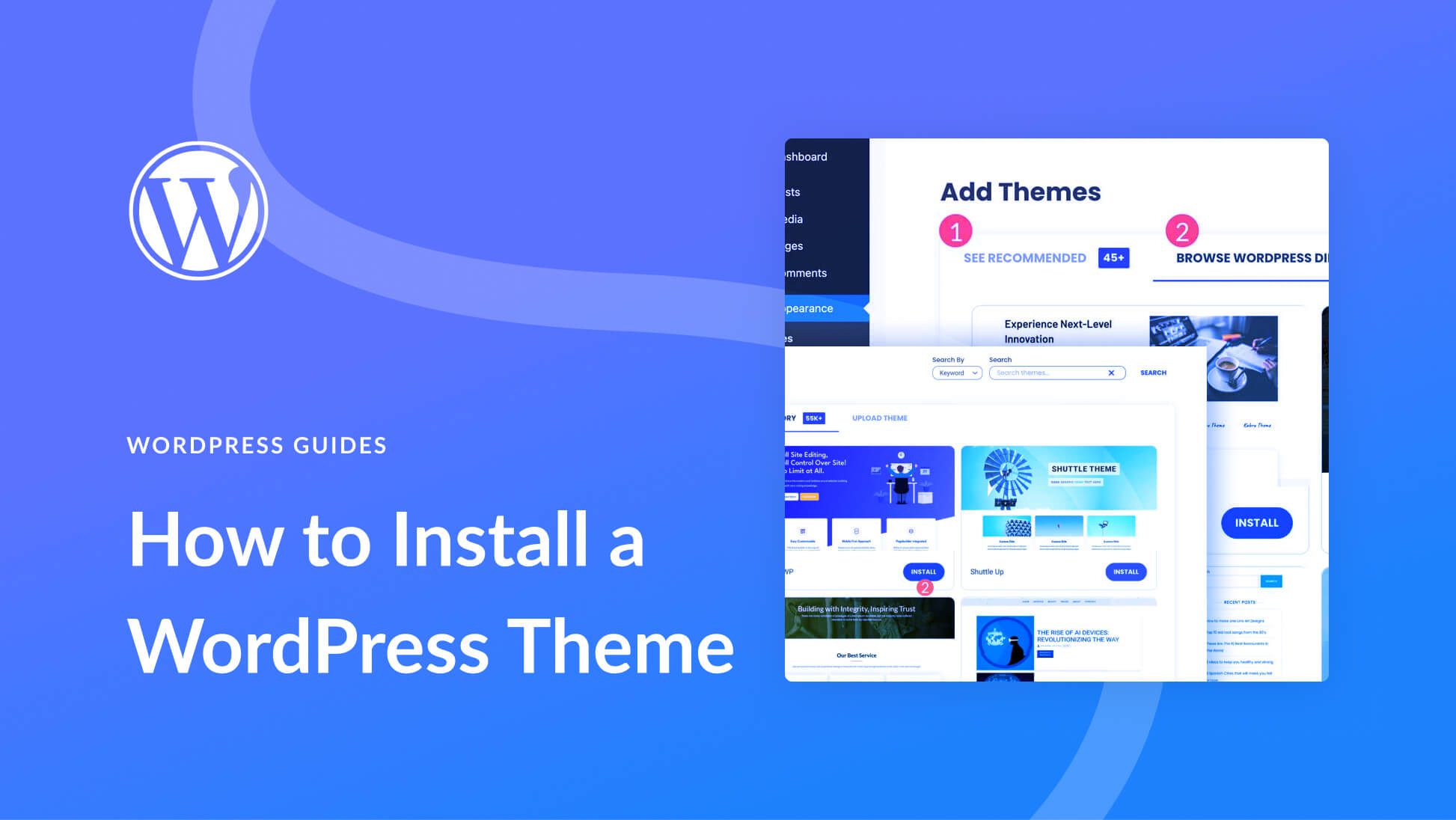
To install a WordPress theme, log into your WordPress dashboard. Navigate to Appearance > Themes and click ‘Add New’. Search for a theme or upload a theme file. Activate the theme by clicking ‘Activate’. Customize settings as needed to match your website’s design goals.
Conclusion
Choosing the right WordPress theme enhances your site’s appeal. Start by exploring popular themes on the WordPress directory. Focus on features that match your site’s goals. Read user reviews and ratings for insights. Don’t rush; take time to compare options.
Consider responsive design for mobile users. Free themes offer a good start, but premium themes provide advanced features. Test your selected theme’s compatibility with plugins. Customize to make it unique. Keep your audience in mind. Your chosen theme should reflect your brand.
Make your site visually engaging, functional, and easy to navigate.


