Are you ready to skyrocket your web hosting business? Imagine drawing in more clients, boosting your brand, and ultimately increasing your profits.
The secret to achieving this lies in mastering effective marketing strategies. You might have the best hosting services in town, but without the right marketing tactics, potential customers might never find you. This guide is designed just for you—packed with actionable insights that can transform the way you approach your marketing efforts.
Discover how to stand out in a crowded market, capture your audience’s attention, and convert leads into loyal customers. Dive in and unlock the potential of your web hosting business today!

Credit: www.alliedmarketresearch.com
Identifying Target Audience
Identifying the right audience is key for success. Start by dividing customers into groups. Use simple categories like age, location, or business type. These groups help tailor marketing efforts. Understand what each group needs. This way, you can provide the right solutions. Each group will feel valued and understood.
Know the problems your customers face. Pain points are their issues or struggles. For web hosting, it could be slow loading times or poor customer support. Finding these issues helps your business offer better solutions. It also builds trust with customers. They see you care about their needs.
Building A Strong Brand
A unique value proposition tells customers why your service is special. Stand out from the crowd. Offer something different. Think about what makes your web hosting service better. Is it the speed? Maybe the price? Or the support? Tell your customers why they should choose you. Use simple words. Make it clear and easy to understand. This message should be on your website. Also on your ads. And on your brochures. Everywhere! Keep it short but powerful.
Your brand identity is how people see your business. It includes your logo, colors, and voice. Choose colors that fit your business style. Use the same logo on all materials. Write in a friendly way. This builds trust. Consistency is key. Make sure everything looks the same. From your website to your emails. This makes your brand easy to recognize. A strong brand identity helps people remember you. And it tells them what you stand for.
Creating An Effective Website
A website should be easy to navigate. Users should find what they need quickly. Use clear headings and simple menus. This helps users feel comfortable. Make sure the website loads fast. Slow websites can make users leave.
Ensure the site works on all devices. This includes phones and tablets. Keep the design clean and uncluttered. Too many elements can confuse users. Use high-quality images. They make the site look professional.
Clearly list all services offered. Use bullet points for easy reading. Highlight unique features. These make the service stand out. Use simple language to explain complex terms. This helps users understand better.
Include testimonials from happy clients. This builds trust. Show pricing options clearly. Users appreciate transparency. Have a FAQ section. It answers common questions. This saves time for both users and support teams.
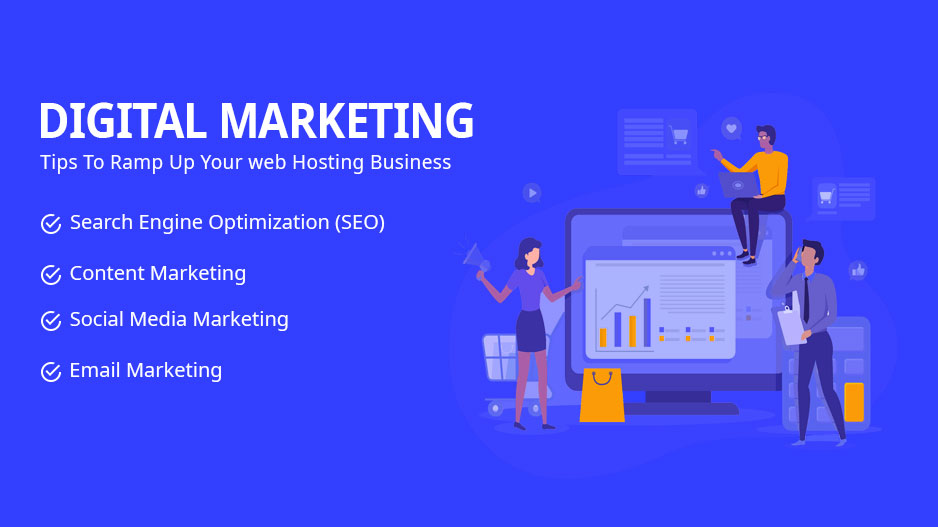
Credit: whmcsglobalservices.com
Utilizing Seo Strategies
Find the right keywords for your web hosting business. Use tools like Google Keyword Planner. These tools help you see what words people search for. Choose keywords that fit your services. Make sure they are not too hard to rank. Use these keywords in your website content. This helps search engines find your site. It also helps people find you.
On-page optimization means improving your website. Use keywords in titles and headers. Add them to your text and images too. This makes your site better for search engines. Off-page optimization means getting links from other sites. These links tell search engines your site is good. Both on-page and off-page work together. They help your site rank higher.
Leveraging Content Marketing
Boost your web hosting business by crafting engaging blog posts that address customer needs. Share useful tips and industry insights. Build trust and connect with your audience.
Blogging For Engagement
Blogging helps connect with people. Write about web hosting tips. Share news about hosting. Keep posts short and clear. Use simple words. Readers enjoy learning new things. Ask questions in your blog. This makes people think. Share stories from customers. This builds trust. Use pictures and videos. These make posts interesting. Reply to comments. This keeps readers engaged. Update your blog often. Fresh content attracts visitors.
Creating Educational Resources
Educational resources teach others about hosting. Create guides and tutorials. Use easy words and steps. Explain technical terms simply. Readers find this helpful. Offer free ebooks or checklists. These are valuable tools. Share quick tips on social media. People love quick tips. Use diagrams in resources. Visuals make learning easy. Host webinars for deeper learning. People can ask questions live. Keep resources updated. New info keeps them relevant.
Social Media Marketing
Pick platforms that fit your business. Not every platform is good for you. Facebook and Twitter are great for reaching many people. For business clients, LinkedIn is a smart choice. Instagram works well for cool designs and images. Test platforms to see where your customers are. Spend time on platforms that give results.
Talk with followers often. Answer their questions quickly. Share interesting and useful content. Polls and quizzes can be fun ways to engage. Show you care about your followers. This builds trust. Trust makes people like your business. Like and share their posts too. This shows you value them.
Email Marketing Techniques
Boost your web hosting business through effective email marketing techniques. Craft engaging subject lines to capture attention. Segment your audience for personalized content delivery. Share valuable insights and offers to build trust and drive conversions.
Building Subscriber Lists
Growing a strong subscriber list is vital. Start by placing a sign-up form on your website. Offer something valuable in return. This could be a free guide or a discount. Be clear about the benefits of joining your list.
Make sure to ask for only essential information. Just the name and email address. This keeps the process simple. More sign-ups happen this way. Use pop-ups wisely. Don’t annoy visitors. Well-timed pop-ups can be effective.
Crafting Compelling Campaigns
Emails should grab attention quickly. Use a catchy subject line. Make it short and clear. Keep the email content focused. Highlight the main points. Use bullet points for easy reading. Include a clear call to action. Tell them what to do next.
Personalize your emails. Use the subscriber’s name. This makes the email feel special. Always test your emails before sending. Check how they look on different devices. Ensure links work properly. This way, your campaigns will be more successful.
Utilizing Paid Advertising
Google Ads can help your web hosting business. These ads reach people looking for hosting services. Target specific keywords related to web hosting. This ensures your ad appears in search results. You only pay when someone clicks your ad. Start with a small budget. Then, increase it as you learn what works. Track performance using Google’s tools. Adjust your ads if needed. Keep your ad copy simple and clear. Users should understand what you offer quickly.
Social Media Ads are also useful for marketing. Platforms like Facebook and Instagram attract many users. Create engaging ads with eye-catching images. Use clear language to describe your hosting services. You can target ads to specific groups. This ensures your ads reach the right audience. Monitor how your ads perform. Change them if they don’t work. Social media offers tools to help you track results. Stay active and respond to comments on your ads.
Building Partnerships And Affiliates
Working with influencers can grow your web hosting business. They have a big audience. Their followers trust them. By partnering with them, you reach more people. Choose influencers who match your brand. It’s important they share your values. Offer them free hosting services. Or pay them for their promotion. They can write blogs or make videos about your services. These content pieces help in building trust. People like to hear from others. Influencers can spread your message fast. They make your business more visible.
Affiliate programs are a good way to market. They allow others to promote your business. Affiliates earn money for each sale they make. This motivates them to work hard. Create an easy-to-join program. Offer good commissions to your affiliates. Track their performance with reliable software. Make sure they have the right tools. Provide them with banners, links, and guides. This helps them in promoting effectively. A strong affiliate program can boost your sales.
Offering Promotions And Discounts
Limited-time offers can grab attention fast. Customers love special deals. Make your offer clear and easy to understand. Use bold colors in ads. Create a sense of urgency. Say “offer ends soon” or “last chance.” People hurry when they fear missing out. This can boost sales quickly.
Loyal customers are important. They support your business regularly. Give them rewards like discounts or special gifts. This makes them feel valued. Send them personal messages. Thank them for their loyalty. This builds strong relationships. Keep them coming back often. Happy customers tell their friends. This brings more new customers to you.
Analyzing Performance And Metrics
Keeping an eye on Key Performance Indicators is vital. These indicators show how well your business is doing. They help in understanding traffic and sales. Website traffic, customer retention, and conversion rates are important. They tell if your marketing efforts are working. Track these regularly for best results.
If something does not work, change it. Try new methods to see what works best. Look at the metrics and adjust. This helps improve your marketing efforts. Always be ready to adapt. Being flexible can bring better outcomes for your business.
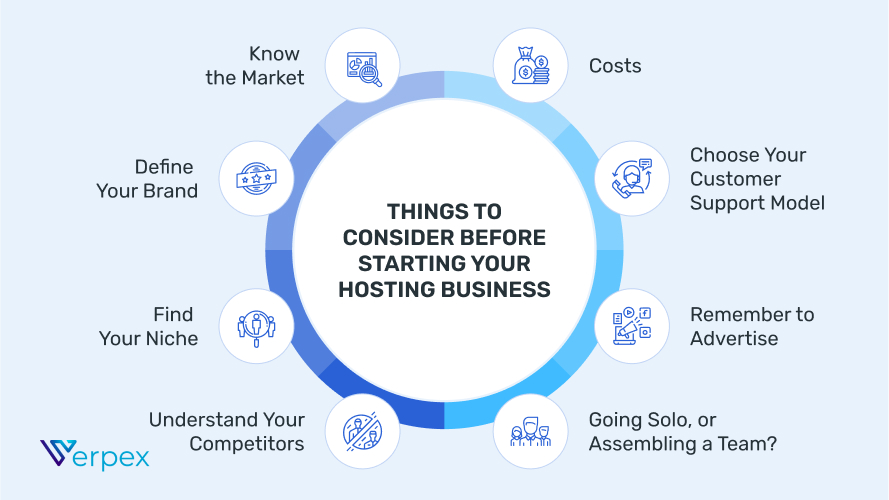
Credit: verpex.com
Frequently Asked Questions
How To Get Web Hosting Customers?
Optimize your website for search engines to attract organic traffic. Offer competitive pricing and reliable services. Use social media marketing and engage in online communities. Provide exceptional customer support to build trust and encourage referrals. Run targeted ads to reach potential customers effectively.
How Do I Sell My Website Hosting?
Identify your target audience. Create a compelling sales page highlighting features and benefits. Optimize for SEO. Use social media and online forums to promote. Provide excellent customer support to build trust and increase sales.
What Is The Going Rate For Website Hosting?
Website hosting rates range from $3 to $300 per month. Shared hosting is cheaper, starting at $3 to $10 monthly. VPS hosting costs between $20 to $100 monthly. Dedicated hosting prices can reach $300 monthly. Prices depend on features, performance, and support.
Consider your website needs before choosing.
Is Selling Hosting Profitable?
Selling hosting can be profitable with a solid business strategy. Profits depend on effective marketing, competitive pricing, and quality service. Building a loyal customer base and offering value-added services can increase revenue. Success requires continuous market research and adapting to industry trends.
Conclusion
Successfully marketing a web hosting business requires creativity and strategy. Focus on understanding your audience. Use clear and simple language in your content. Highlight your unique features. Build trust with honest and useful information. Engage through social media and email newsletters.
Offer helpful tutorials and guides. Ensure your website is easy to navigate. Optimize for search engines to increase visibility. Consistent effort leads to lasting results. With dedication, your web hosting business can grow and thrive. Embrace feedback and adapt to market changes.
Keep learning and improving your strategies.