
Have you ever wondered how your favorite websites magically appear on your screen at the click of a button? The secret behind this seamless experience is web hosting.
But what exactly is web hosting, and how does it work to bring websites to life? Understanding this can feel like unraveling a mystery, yet it’s crucial for anyone venturing into the digital world. We’ll break down the nuts and bolts of web hosting into simple, digestible pieces.
By the end, you’ll be equipped with the knowledge to navigate and make informed decisions in the web hosting realm. So, if you’re ready to demystify web hosting, keep reading—you won’t want to miss this!

Credit: www.hostinger.com
Basics Of Web Hosting
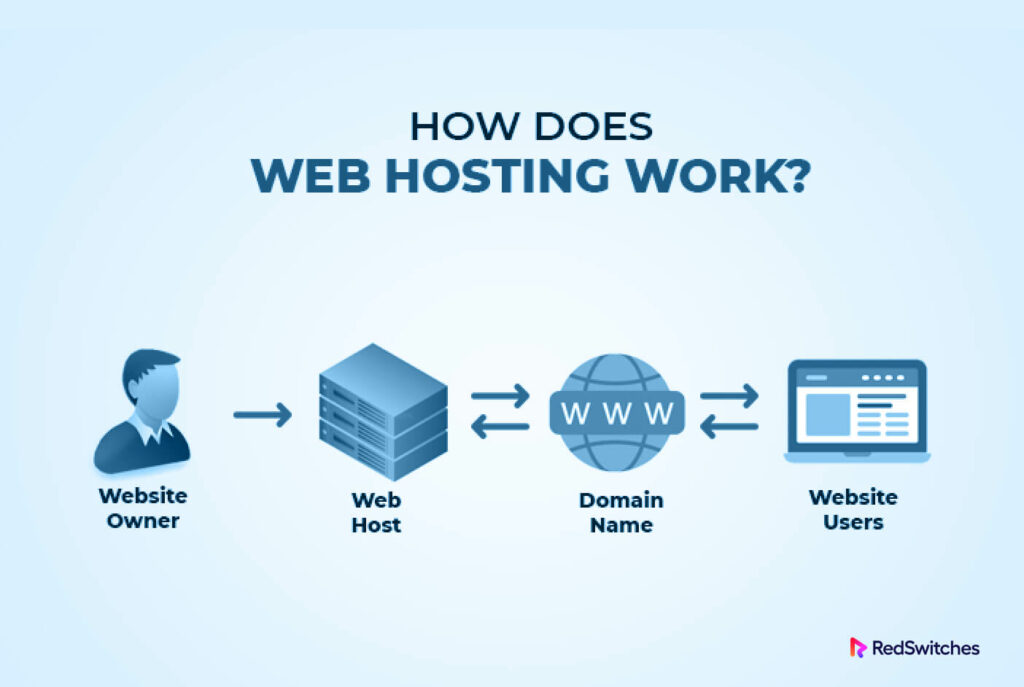
Web hosting is like renting space on the internet. It allows websites to be seen online. Websites are stored on special computers called servers. These servers make your website visible to everyone. Without web hosting, websites can’t be accessed.
The main purpose of web hosting is to keep your site running. It ensures that your website is always available. Hosting providers offer different services. Some offer email hosting, too. This helps in managing your website easily.
There are different types of web hosting. Shared hosting is the most common. It means sharing a server with others. It’s cheap but can be slow. Dedicated hosting offers a whole server just for you. It’s faster but costs more.
VPS hosting is like a middle ground. It offers some of the benefits of dedicated hosting. Cloud hosting is flexible and can handle lots of visitors. Each type has its own pros and cons. Choose based on your needs and budget.
Domain Names And Hosting
A domain name is like a home’s address. It helps people find a website. Every website needs a unique address. This makes it easy to locate. Without a domain name, websites are hard to find. They would use numbers instead. Names are much easier to remember.
Hosting is like the land where a house sits. The domain points to this land. It connects your website to the internet. This process needs a DNS. DNS stands for Domain Name System. It helps match the domain name to the hosting server. This connection makes the website live.
Server Infrastructure
Physical servers are like big computers. They sit in a room. Cloud servers are different. They are in many places. Cloud servers can be anywhere in the world. Physical servers need a lot of space. They also need power. Cloud servers are flexible. You can use more or less of them. This means cloud servers can save money. They are also fast.
Server configuration is important. It tells the server what to do. Settings help the server run well. You can change the settings. This makes the server better. Security settings keep the server safe. Good settings mean the server works right. Regular updates help too. They fix problems. Server configuration is like a plan. It helps the server do its job.
Shared Hosting
Shared hosting is like sharing a big house. Many websites live on one server. Each site gets a part of the server. They share the same resources. These resources include CPU, RAM, and disk space. It’s like sharing a kitchen or bathroom. Everyone uses the same things.
Advantages: Shared hosting is cheap. It’s good for small websites. Easy to set up. No need for tech skills. Hosting company handles updates and security.
Disadvantages: Sites may be slow. If one site gets busy, others slow down. Less control over settings. Limited resources. Not ideal for big websites. Shared hosting can be crowded.
Vps Hosting
A Virtual Private Server (VPS) is a special type of web hosting. It acts like a mini server within a larger server. Each VPS has its own resources like CPU and RAM. It’s like having a small computer just for you. Unlike shared hosting, VPS provides better control and privacy. You can install software and make changes. It feels like your own space.
VPS hosting offers many advantages. You get more speed and reliability. Your website runs faster. It’s less likely to crash. You also have better security. Your data stays safe. VPS can handle more traffic. If your site grows, VPS can keep up. Plus, it’s customizable. You change settings to fit your needs. VPS is a good choice for growing websites.
Dedicated Hosting
Dedicated hosting means one server for one user. No sharing with others. This gives you more control and speed. Your website can handle a lot of visitors. It is very secure. Nobody else can touch your server. You need to know some technical stuff to manage it.
Features Of Dedicated Hosting
- Full server resources for one user
- High security and privacy
- Customizable server settings
- Consistent performance and speed
- Technical expertise required
Is Dedicated Hosting Right For You?
Dedicated hosting is for big websites. Sites that need lots of power. It is best for online stores and large companies. A bit costly, but worth it. If you need control and security, it’s a good choice. Make sure to hire a tech expert.
Managed Vs. Unmanaged Hosting
Managed hosting helps with many tasks. Experts handle server management. This includes updates and backups. Unmanaged hosting gives you full control. You manage everything yourself. You need technical skills for this. Managed hosting is often more costly. Unmanaged hosting is usually cheaper.
Managed hosting is simpler. It saves time. Unmanaged hosting is flexible. You can customize easily. Choose based on your needs and skills. Managed hosting is great for busy people. Unmanaged hosting suits tech-savvy users.
Think about your budget first. Managed hosting costs more. Consider your tech skills next. Unmanaged hosting needs more knowledge. Look at your time. Managed hosting frees up time. Think about your needs. Managed is easy and stress-free. Unmanaged is flexible and customizable. Evaluate each option. Choose what fits you best.
Credit: blog.gotmyhost.com
Security In Web Hosting
Web hosting security is crucial. It protects websites from hackers. Without good security, data can be stolen. This leads to big problems for users. Trust in a website is important. People won’t visit if they feel unsafe. Businesses lose money due to security breaches. Secure hosting keeps customer data safe. It builds trust between users and websites. Security features protect servers from attacks. They ensure the website runs smoothly.
- Firewall protection blocks harmful traffic.
- SSL certificates encrypt data between users and servers.
- Regular backups save data from loss.
- Malware scanning finds and removes dangerous files.
- Strong password policies prevent unauthorized access.
These features are vital. They ensure websites stay safe. They help avoid data theft.
Performance Optimization
Fast websites make users happy. Slow sites make them leave. Improving load times is crucial for a good user experience. One simple way is to use compressed images. Smaller images load faster. Another method is minifying CSS and JavaScript files. This means removing unnecessary spaces. It helps the browser read files quicker. Browser caching is also helpful. It lets the browser store some data. So, next time, the site loads faster. Choose a reliable hosting provider. They offer better speed and uptime.
Many tools can help make websites faster. Google PageSpeed Insights is one such tool. It gives tips to improve speed. GTmetrix is another useful tool. It analyzes site performance. CDNs or Content Delivery Networks can also help. They store site data on many servers. This makes data reach users quicker. Using lazy loading for images is smart. It loads images only when needed. This saves time and resources. Optimizing databases can also enhance speed. It involves cleaning and organizing data.

Credit: www.znetlive.com
Technical Support
Customer support helps users solve problems. They answer questions about hosting services. Support teams are important. They give guidance and assistance. Users might face issues with their websites. Support helps fix these problems. They make sure websites run smoothly. Good support can make users happy. It builds trust with the hosting company. Users need help quickly. Fast support is crucial. 24/7 support is ideal. It means help is always available. Support teams use chat, email, and phone. These are easy ways to communicate. Users can choose how they want help. Clear answers are important. They help users understand better. Support should be friendly and patient. This makes users feel comfortable.
Users should check the quality of support. Read reviews online. See what others say about it. Reviews show if support is good or bad. Testing support can help. Ask simple questions. See how fast they reply. Check if answers are helpful. Compare support services from different companies. Look for companies with good ratings. Experience matters. Companies with long experience might be better. They have trained staff. They know how to fix problems well. Availability is key. Support must be there when needed. Users should feel safe with their hosting choice. Good support makes a big difference.
Choosing A Hosting Provider
Picking the right hosting provider is important. First, think about the cost. You want to stay within your budget. Next, check the speed. Fast loading is important for websites. Look at support options. Help should be easy to get. Also, consider security. Your data needs protection.
Don’t forget about storage. More space means more content. Finally, see if they offer backups. Backups save you from losing data. All these factors make your choice easier.
Many companies offer web hosting. Bluehost is a big name. They are known for good support. HostGator offers affordable plans. They have many features. SiteGround is known for speed. People like their security options. GoDaddy is well-known too. They have many tools for users.
Each provider has different strengths. It’s important to pick what suits your needs. You can also read reviews. Reviews help in making a decision.
Frequently Asked Questions
How Does The Web Hosting Work?
Web hosting stores your website’s files on a server, making them accessible online. Hosting providers manage server maintenance, security, and support. Users choose hosting plans based on storage, bandwidth, and features. Efficient hosting ensures fast loading times and reliable uptime, boosting SEO and user experience.
What Are The 3 Types Of Web Hosting?
The three types of web hosting are shared hosting, dedicated hosting, and VPS hosting. Shared hosting is cost-effective for beginners. Dedicated hosting offers a server solely for your website, ensuring top performance. VPS hosting provides a virtual server with more resources and flexibility than shared hosting.
How Much Does Web Hosting Cost Per Month?
Web hosting costs vary from $3 to $30 per month. Prices depend on the hosting type and provider. Shared hosting is cheaper, while dedicated hosting is more expensive. Consider features and support when choosing a plan.
What Is Web Hosting With An Example?
Web hosting stores website files on servers, making them accessible online. Example: Bluehost hosts websites, providing storage and bandwidth.
Conclusion
Web hosting makes your website accessible online. It stores your site’s data. Hosting services manage this storage. They ensure your site runs smoothly. Choosing the right plan is crucial. It impacts speed and security. You need reliable support. It helps solve issues fast.
Consider your site’s needs. Then pick a hosting service. This will enhance your online presence. Remember, a well-hosted site attracts more visitors. Boosts engagement too. Explore options and choose wisely. Your website’s future depends on it. Now you know how web hosting works.
You can make informed decisions.


