
Struggling to clean up your WordPress site? If you’re dealing with an old theme that’s just taking up space and slowing you down, you’re not alone.
Many find themselves stuck with outdated themes that clutter their site’s performance and aesthetics. But don’t worry, you’re about to discover a simple, step-by-step method to completely remove that old WordPress theme from your site. Imagine the freedom and speed your site will gain, and the peace of mind you’ll have knowing it’s running efficiently.
Stick with us as we guide you through this process, ensuring your website is lean, mean, and ready to impress your visitors. Don’t let your website hold you back—let’s dive in and tackle this together!
Credit: themelooks.com
Backup Your Website
Backing up your website is very important. It keeps your data safe. Sometimes, things go wrong. You might lose important files. With a backup, you can restore everything. No need to worry about losing work.
Various tools help you backup your site. Plugins like UpdraftPlus make it easy. They save your data to the cloud. Dropbox and Google Drive are popular choices. Some web hosts offer backup services too. Check your hosting plan. See if it includes backups. If not, consider other options.
Identify Active Theme
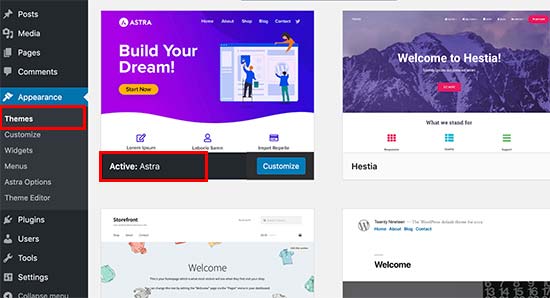
Find your current theme using the WordPress Dashboard. Log into your dashboard. Look for the Appearance tab. Click on it. Here, you will see the active theme. The active theme name is shown at the top. You can also see theme details. Always ensure you check this first. This helps in removing the right theme.
Switch To Default Theme
First, go to your WordPress dashboard. Find the “Appearance” tab. Click on “Themes.” Look for a default theme like Twenty Twenty-One. Select it and click “Activate.” This will change your website’s look quickly. Your old theme will be inactive now. It’s a good start for a fresh look. Always choose a simple and clean default theme.
After activating the default theme, check your website. Visit different pages to see how they look. Make sure all links work. Check if all images load properly. Ensure no broken parts on the site. Test forms and buttons. Look for any missing content. Fix any issues you find. This ensures a smooth user experience. Your site should work well on all devices. This step is very important.

Credit: wpmanageninja.com
Delete Old Theme Files
First, log into your WordPress dashboard. Look for the Appearance menu. Click on Themes. Here, you will see all your themes. Find the old theme you want to remove. Make sure it is not the active theme.
In the Themes section, hover over the old theme. Click on Theme Details. Now, you will see a Delete option in the bottom right corner. Click it to remove the theme. Confirm to complete the process.
Open your FTP client like FileZilla. Connect to your website server. Navigate to the wp-content/themes folder. Find your old theme folder. Right-click on it and select Delete. This will remove the theme files from your server.
Remove Unused Theme Data
Old themes may leave behind unused data. This data is in the database. It’s important to clean these theme options. First, go to your WordPress dashboard. Then, find the theme settings. Delete any unused options. This keeps your site tidy.
Clean databases mean faster websites. Use plugins like WP-Optimize. They help remove old theme tables. These plugins make it easy. Always backup your database first. This is a smart move. It keeps data safe.
Credit: stablepoint.com
Check For Broken Links
Broken links can make your website look bad. They can confuse visitors. Use link checker tools to find these broken links. These tools are easy to use. Enter your website URL. The tool will scan for broken links. Once you find them, fix them. Fixing these links will help your website. It will be more user-friendly. A good website keeps visitors happy.
Redirects send users to another page. Sometimes they break. Broken redirects can annoy visitors. Check your redirects often. Use tools to help you. Fix them when they are broken. A smooth website is a happy website.
Update Plugins And Themes
Ensuring Compatibility is key when updating plugins and themes. Always check if the new versions work well together. This prevents website issues. Before updating, back up your site. This keeps your data safe. Updates often fix bugs and add new features. They also enhance security. Keeping plugins and themes updated ensures a smooth user experience.
Regular Updates are essential for your website’s health. Set reminders to check for new updates. You can also enable automatic updates. This saves time and reduces manual work. Updated themes and plugins work better. They keep your website running smoothly. Regular updates make your site fast and secure.
Monitor Website Performance
Using the right tools can help you see how well your site runs. Google PageSpeed Insights is a good start. It shows how fast your website loads. You can also use GTmetrix. It checks both speed and other key factors. Pingdom Tools is another option. It gives a simple report card for your site.
Once you find a problem, fixing it is key. Check the code for errors. Make sure all images are small and load fast. Remove any extra plugins. They can slow down your site. Always keep your WordPress updated. This helps with speed and security. Ask for help if needed. Experts can help solve tricky issues quickly.
Secure Your Website
Keeping your website safe is very important. Change passwords often to stay safe. Choose strong passwords that are hard to guess. Use a mix of letters, numbers, and symbols. Install security plugins to protect your site. These plugins stop bad people from getting in. Keep WordPress updated. Updates fix bugs and make your site safer.
Check your website often for safety. Scan for malware every week. Malware can harm your site. Review user permissions. Make sure only the right people can change things. Look at log files to see who visits your site. This helps find any bad activity.
Frequently Asked Questions
How Do I Safely Remove An Old WordPress Theme?
To safely remove an old WordPress theme, first back up your site. Then, navigate to Appearance > Themes in your dashboard. Activate a different theme and click “Delete” on the old one. This ensures your website remains functional while removing unnecessary files.
Will Removing A Theme Affect My Site?
Removing a theme won’t affect your site’s content. However, it might alter its appearance if the active theme is deleted. Always activate a new theme before deleting the old one to ensure a seamless transition and maintain your site’s look and feel.
Do I Need To Delete Old Theme Files?
Yes, deleting old theme files is important. It helps improve site performance and security by removing outdated code. Navigate to your theme directory via FTP or a file manager and delete unnecessary theme folders to keep your WordPress installation clean.
Can I Recover A Deleted WordPress Theme?
Once a WordPress theme is deleted, recovery is not straightforward. You can reinstall it from the WordPress repository or a backup if available. Always back up your theme files before deletion to ensure you can restore them if needed.
Conclusion
Removing an old WordPress theme can feel daunting. Yet, with these steps, it becomes simple. First, always back up your site. This ensures data safety. Next, deactivate the old theme. Then, delete it completely from the dashboard. This process keeps your website clean and efficient.
A clean website loads faster and functions better. Always remember to check for any leftover files. They can sometimes hide in the server. Keep your WordPress site tidy and updated. This ensures a smooth user experience. With practice, it gets easier each time.
Happy updating!


