
Are you ready to transform your website into a stunning masterpiece with the WordPress 2017 theme? Imagine having a website that not only captures attention but also keeps visitors engaged and coming back for more.
The WordPress 2017 theme offers a sleek, modern design with customizable features that can make this dream a reality. But how do you box this theme to ensure it aligns perfectly with your brand’s vision and goals? This guide will walk you through each step, simplifying the process and empowering you to create a site that stands out.
Whether you’re a seasoned developer or a newbie, you’ll find valuable insights that can elevate your website to new heights. Let’s dive in and unlock the full potential of the WordPress 2017 theme together!
Theme Installation
First, go to the WordPress theme directory. Search for the 2017 theme. Click the download button. The theme file will be saved as a .zip. Keep it safe on your computer.
Log in to your WordPress dashboard. Find the Appearance section. Click on Themes. Choose the Add New button. Then, select Upload Theme. Click on Choose File. Find your 2017 theme file. Upload it.
After uploading, see the Activate button. Click it to activate the theme. Your WordPress now uses the 2017 theme. Visit your site to see the new look.
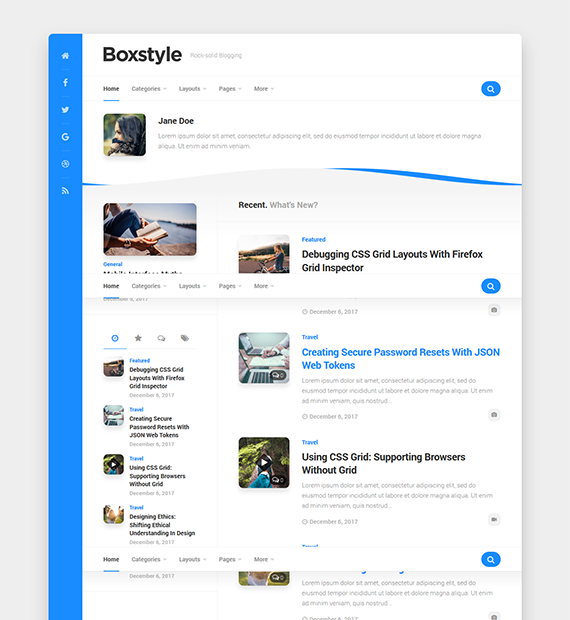
Credit: beautifulthemes.com
Theme Customization
The header is an important part of your site. It shows your site’s name or logo. You can change the logo and title. Pick colors that match your theme. Adjust the font size for better readability. Add a tagline that describes your site. Make sure the header is not too busy. Keep it simple. This helps visitors find what they need quickly.
The sidebar is a place for extra info. You can add widgets like a calendar. Show your recent posts here. Add links to other pages. It’s a good spot for a search bar. Choose what to show based on your needs. Keep it tidy. Cluttered sidebars confuse visitors. Make sure it’s easy to use. This helps in better navigation.
The footer is at the bottom of your page. You can add contact info here. Include links to your social media profiles. It’s a good spot for a privacy policy link. Make sure the text is clear. Don’t use too many colors. Keep it simple and neat. This helps visitors find important info easily.
Adding Widgets
Widgets make your site look better. They add more features. You can find many available widgets. They include text, images, and calendars. Each one helps in a different way. Choose the ones you like most. These are easy to use. Just drag and drop them. Your site will become more engaging.
The sidebar is a great spot for widgets. It is on the side of your site. You can place many widgets here. Visitors will see them easily. Start by dragging a widget to the sidebar. This process is simple. Now, your site has more information. It looks neat and tidy.
The footer is at the bottom of your site. You can add widgets here too. Use footer widgets for extra info. Contact details fit well here. You might add social links too. They help visitors find more about you. Arrange them neatly for a clean look.
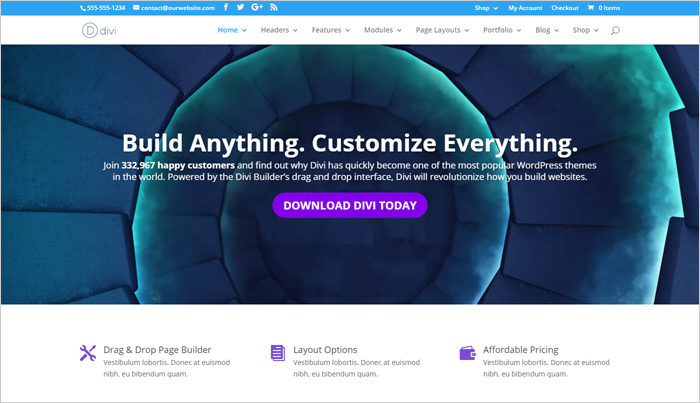
Credit: divi-den.com
Creating Menus
Add items to your menu in WordPress easily. Go to the menu screen. Select the pages or posts you want. Drag them to the menu list. Click “Add to Menu” to include them. Check the items you want to add. Make sure they are in the right order. It’s simple and quick.
Move menu items around by dragging them. Put them in the right order. You can make sub-items by dragging them a bit to the right. This creates a dropdown menu. Save your changes when you finish. Keep the structure clear for users.
Choose where to display your menu. The primary menu appears at the top. The secondary menu is usually below it. Go to the menu settings. Select “Primary” or “Secondary” for your menu. Save your settings to see the changes. Ensure your visitors can find what they need.
Optimizing For Seo
Crafting the WordPress 2017 theme with SEO in mind boosts visibility. Focus on clean design, fast loading, and keyword-rich content. Integrate social media links and optimize images for better rankings.
Installing Seo Plugins
SEO plugins help your website get more visitors. They make it easy to manage SEO settings. Popular plugins include Yoast and All in One SEO Pack. These tools guide you in improving your site. They offer tips and help you add meta tags. This makes your content easy to find.
Configuring Seo Settings
Go to the plugin settings. Check your title and meta descriptions. Make sure they are clear and relevant. Use keywords that are important to your content. This helps search engines understand your site. Setting up SEO-friendly URLs is also crucial. They should be short and include keywords.
Enhancing Content Visibility
Use headings like H1, H2, and H3. They organize content and improve SEO. Add alt text to images. This helps search engines understand them. Internal links connect your pages. They help visitors find more information. Quality backlinks from other sites also help your SEO. They show your content is trusted.
Enhancing Performance
Caching plugins can help your site load faster. They store parts of your site for later use. This means visitors get pages quicker. This helps with user experience. Faster sites make people happy. Happy visitors stay longer. They might come back too. Many caching plugins are free. Try one today.
Large images slow websites. Optimize images to load faster. This involves making them smaller. But not too small. Keep quality good. Many tools help with this. Some are online. Others are plugins. Choose what fits your need. Faster images mean a faster site.
Minifying means making files smaller. CSS and JavaScript can be minified. This speeds up your site. Fewer data to load. Faster loading for users. Many tools can help. Some are plugins. Others are online tools. Smaller files mean faster websites. Faster sites keep visitors happy.
Ensuring Security
Security plugins can keep your site safe. They stop bad guys from getting in. Choose plugins that are trusted and popular. Install them with care. Read reviews before downloading. Once installed, check the settings. Make sure they are set to protect the best way.
Updates are very important. They fix bugs and holes in security. Always update your themes. Do the same for plugins. Check for updates often. Many sites get hacked because they forgot this. Stay safe by keeping everything up to date.
Backups are like a safety net. They help if things go wrong. Use a plugin to make backups easy. Save your backups in a safe place. Maybe on the cloud or a hard drive. Make sure to backup your site often. This way, you can get your site back if needed.
Credit: graphicgoogle.com
Frequently Asked Questions
How To Install The WordPress 2017 Theme?
To install the WordPress 2017 theme, go to your WordPress dashboard. Navigate to Appearance, then Themes, and click Add New. Search for “WordPress 2017” and click Install. Once installed, click Activate to make it your site’s theme. This process is simple and quick, enhancing your site’s appearance.
Can I Customize The WordPress 2017 Theme?
Yes, you can customize the WordPress 2017 theme. Go to the WordPress dashboard and click on Appearance. Then, select Customize to access various customization options like colors, header image, and widgets. This feature allows you to personalize the theme to match your brand’s identity easily.
Is WordPress 2017 Theme Mobile-friendly?
Yes, the WordPress 2017 theme is mobile-friendly. It features a responsive design that adapts to different screen sizes. This ensures your site looks great on smartphones, tablets, and desktops. Mobile-friendliness improves user experience and can positively impact your site’s search engine rankings.
How To Update WordPress 2017 Theme?
To update the WordPress 2017 theme, go to your WordPress dashboard. Check for updates under Dashboard, then Updates. If an update is available for the theme, select it and click Update Themes. Keeping your theme updated ensures better performance, security, and access to the latest features.
Conclusion
Mastering the WordPress 2017 theme is easier than you think. Follow these steps to customize your site. Experiment with colors and layouts. Make your content shine. Personalize your website to attract visitors. Keep your design simple and clear. This will engage your audience.
Always update your theme for security. Stay creative with your content. Your website reflects your brand. Make it unique and memorable. Happy designing and enjoy your WordPress journey. Implement these tips and watch your site grow. Remember, practice makes perfect.
Keep learning and improving. Your WordPress site is your digital canvas. Paint it well.


