
Are you ready to unlock the full potential of your WordPress site? Adding content to your WordPress theme can seem daunting at first, but it’s actually much simpler than you might think.
Imagine transforming your website into a dynamic, engaging hub that captivates your audience and keeps them coming back for more. In this guide, we’ll walk you through the process step-by-step, ensuring you can easily enhance your site without feeling overwhelmed.
Whether you’re a beginner or just looking to sharpen your skills, you’ll discover tips and tricks that make content management a breeze. Let’s dive in and explore how you can effortlessly add compelling content to your WordPress theme. Your audience is waiting!
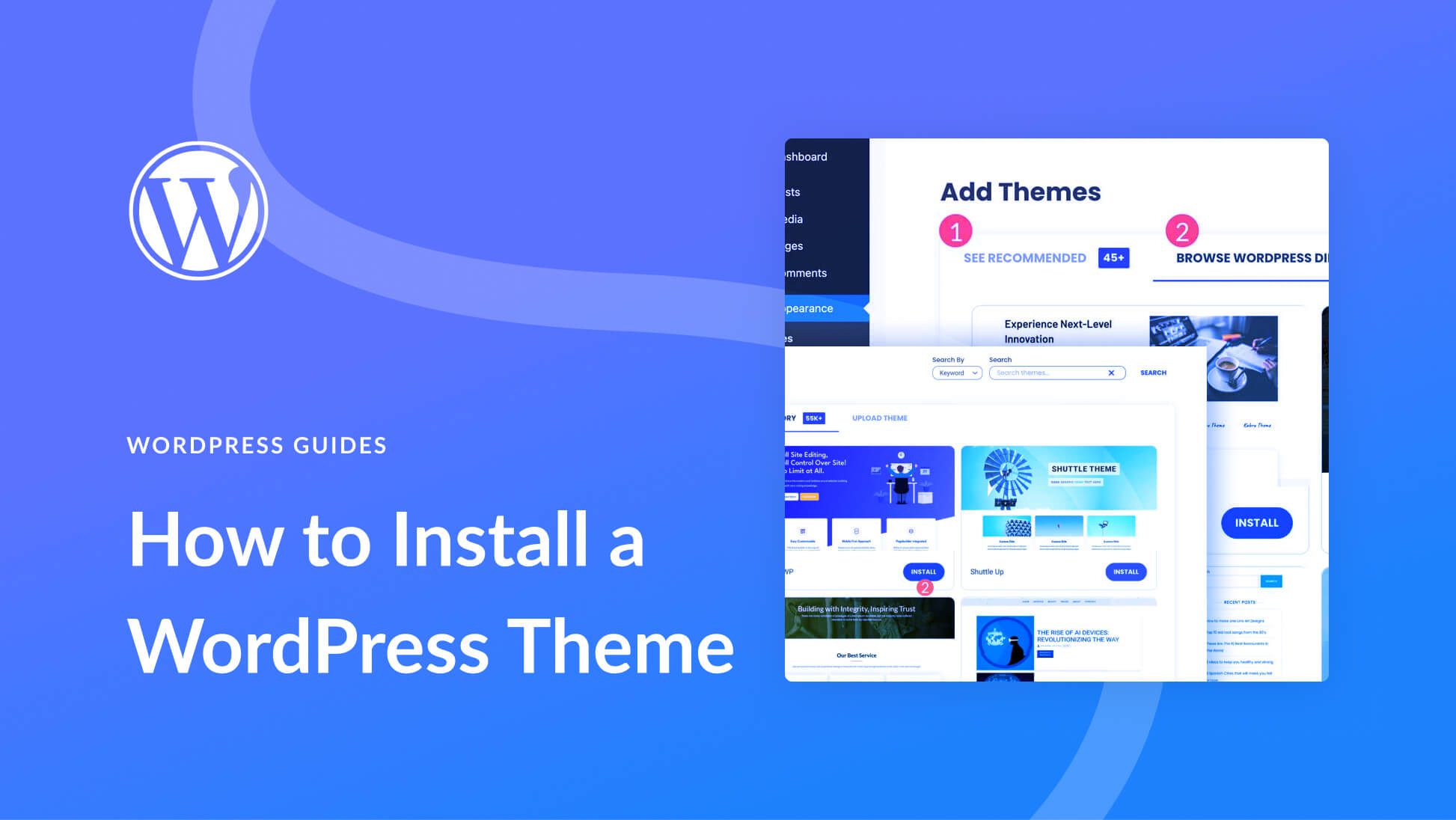
Credit: www.elegantthemes.com
Choosing The Right Theme
Themes come with many features. Some have more than others. It is important to check what each theme offers. Look for themes that match your needs. Do you need a photo gallery? Or a special layout? Make a list of features you want.
Some themes are easy to use. Others may need coding skills. Always check the demo. Demos show how themes work. They help you see if a theme is right for you.
Not all themes work with every plugin. Plugins add more functions to your site. Check if the theme is compatible with your plugins. Read reviews. See if others had issues. Also, make sure the theme updates regularly. This keeps your site safe.
Themes should work on all devices. This means they must be responsive. A responsive theme looks good on phones and tablets. This is important for all visitors.
Accessing The WordPress Dashboard
First, open your browser. Enter your website URL. Add /wp-admin at the end. Hit enter. The login page appears. Type your username and password. Click the login button. You are now in the dashboard. The dashboard is your control center. It lets you manage your site.
Look at the left menu. Find Appearance. Click it. A menu will drop down. Select Customize. The theme settings page opens. Here, you can add content. Change colors. Adjust fonts. Save changes by clicking Publish. Your site updates immediately. Easy!
Utilizing The WordPress Editor
Start by logging into your WordPress dashboard. Find the “Pages” or “Posts” option on the left menu. Click on “Add New” to begin. The Block Editor will open. This is where you add your content. You can add text, images, and videos using blocks. Click the “+” button to see all block options.
Each block is a piece of content. You can move them up or down. Drag and drop to rearrange. To style text, use the toolbar above the block. You can make text bold, italic, or underlined. Adding headers is easy too. Select the “Heading” block for that.
Always save your work. Click “Save Draft” to keep changes. When ready, hit “Publish” to make it live. Preview your page first to ensure it looks good. The Block Editor makes content creation simple and fun.
Adding Content With Page Builders
Page builders make content creation easy in WordPress. Many plugins help with this. Elementor, Beaver Builder, and WPBakery are popular. They let you create pages without code. Just drag and drop elements. It’s simple for beginners. Add text, images, and videos with ease.
Drag and drop makes designing fun. You can move elements around. Create beautiful layouts quickly. No coding needed. This feature is in many builders. It helps you see changes instantly. Customize pages in a few clicks. Build responsive designs that look good on all devices. Save time and effort.
Customizing Theme Options
Change the layout by adjusting the theme options. Select different colors, fonts, and backgrounds. Choose the layout style that suits your site. Make your site look unique. Always preview changes before saving. Ensure everything looks perfect.
Add widgets to your sidebar or footer. Use them for displaying recent posts or categories. Drag and drop them easily. Modify menus by selecting menu items. Organize them according to your preference. Use menus to help users navigate. Ensure they are clear and easy to use.
Credit: support.undsgn.com
Embedding Media And Images
Enhancing a WordPress theme with media and images is simple. Use the WordPress dashboard to insert visual content. This creates a more engaging and visually appealing site.
Uploading Media Files
To add media files, find the Media option in your WordPress dashboard. Click Add New to upload a file. You can drag and drop or use the Upload button. Use files like pictures, videos, or music. Make sure the file is not too big. This helps your site load faster. Name your files well. This helps people find them.
Optimizing Images For Performance
Images can slow your site. Optimize images before uploading. Use tools like JPEGmini or TinyPNG. They make images smaller without losing quality. Choose the right image size for the web. Large images take longer to load. Always use alt text. This helps search engines understand your images. Clean image names are good too. They help with SEO.
Enhancing Content With Plugins
Boost your WordPress theme by adding content with plugins. These tools simplify the process, offering easy integration and customization options. Enhance functionality and design with user-friendly features to enrich your website’s appeal.
Seo Plugins
SEO plugins help your site rank better. They improve visibility. Use plugins like Yoast or All in One SEO. They provide easy tips for SEO. Customize meta tags and keywords. Check your site’s readability. Monitor your SEO progress regularly. These plugins are user-friendly.
Social Media Integration
Social media plugins connect your site with platforms. Share posts on Facebook, Twitter, and Instagram. Add share buttons for easy sharing. Increase traffic and engagement. Use plugins like Social Warfare. They allow customizable buttons. Track social shares and likes. Keep your content active on social media. Engage with your audience effectively.

Credit: www.youtube.com
Managing Content Updates
Adding content to a WordPress theme involves navigating to the dashboard. Choose “Pages” or “Posts” to begin. Edit an existing page or create a new one. Use the visual editor to add text, images, and other elements. Save changes to update your site.
Scheduling Posts
Plan your posts ahead. Use the scheduling tool in WordPress. This helps keep your blog active. Choose a date and time for each post. This way, your content goes live automatically. No need to be online all the time. Consistency is key for audience engagement. Regular updates keep readers interested.
Revising Existing Content
Look at old posts. Check if the information is still good. Update facts and links when needed. Refreshing content improves quality. It makes the blog more reliable. Add new details to enhance the post. This boosts reader trust. Keep content fresh and relevant for your audience.
Frequently Asked Questions
How Do I Add Content In WordPress?
To add content in WordPress, go to your dashboard. Click on ‘Posts’ or ‘Pages’. Choose ‘Add New’ and start writing. You can format your text, add images, and embed videos. Once you’re satisfied, click ‘Publish’. Your content is now live on your site.
Can I Customize WordPress Theme Content?
Yes, customizing content in a WordPress theme is easy. Use the built-in WordPress Customizer to make changes. You can adjust colors, fonts, and layout. Plugins offer additional customization options. Always preview changes before publishing to ensure they fit your theme’s design.
How To Use WordPress Gutenberg Editor?
The Gutenberg editor is user-friendly and intuitive. It uses blocks to create content sections. Add text, images, and videos with ease. Simply click the ‘+’ icon to choose a block type. Drag and drop blocks to arrange your layout. Save your work frequently.
What Are WordPress Widgets For Content?
WordPress widgets are tools to enhance site functionality. They allow you to add content like calendars, social media, and search bars. Access widgets via the ‘Appearance’ menu in the dashboard. Drag and drop widgets into sidebars or footers. Customize settings for each widget.
Conclusion
Adding content to your WordPress theme is straightforward. Use the theme’s options wisely. Organize text and images for clarity. A well-structured site boosts user experience. Regular updates keep your site fresh. Engage visitors with relevant content. Test your changes thoroughly.
Ensure everything displays correctly. Keep learning to enhance your skills. Practice makes perfect. Troubleshoot issues promptly. Explore new features as they become available. Enjoy the creative process. Your WordPress site reflects your vision. Happy building!


