
Are you ready to take your WordPress site to the next level and make it truly your own? Bringing your WordPress theme to your domain is a crucial step in establishing your online presence.
Imagine the satisfaction of seeing your unique design come to life on your very own domain, reflecting your brand and vision perfectly. This guide will walk you through the process, making it easier than you might think. By the end of this article, you’ll not only know how to seamlessly transfer your WordPress theme to your domain, but you’ll also feel empowered to make your website stand out.
Let’s dive in and unlock the potential of your site!
Choosing The Right Domain
Picking a domain name is important. Keep it short and easy to remember. Use words related to your site. Avoid numbers and special characters. Choose a name that is unique. Make sure it’s not too similar to other websites.
Register your domain with a trusted company. Check for discounts and offers. Choose a plan that suits your budget. Look for extra features like privacy protection. Read reviews before making a decision. Check if the domain is available. If taken, try a different name or extension.
Setting Up Web Hosting
Choosing the right hosting provider is crucial. Reliable hosting ensures your site runs smoothly. Look for providers that offer good uptime and customer support. Check reviews from other users. Compare prices and features. Consider the space you need. Shared hosting is often enough for small sites. Security features are important. SSL certificates protect your site. Easy-to-use dashboards help manage your site.
Linking your domain to hosting is simple. Access your domain settings. Find the DNS management section. Update the nameservers. Use the ones given by your host. Wait a few hours for changes. Check if your domain points correctly. Create a database for WordPress. Use the host’s control panel. Install WordPress using the one-click option. Your site is ready to go!
Installing WordPress
Many web hosts offer one-click installers for WordPress. These make setup easy. Log in to your hosting account. Find the WordPress installer tool. Click to begin the process. Follow the simple steps. Choose your domain. Pick a name for your site. Set a username and password. Click install. Your WordPress site will be ready in minutes.
Download the WordPress package from wordpress.org. Unzip the files on your computer. Open your web hosting account. Go to the File Manager. Upload the WordPress files to your domain. Create a MySQL database and user. Link the user to the database. Open the WordPress setup in your browser. Enter the database details. Follow the installation steps. Your WordPress site is now active.
Credit: www.namecheap.com
Selecting A WordPress Theme
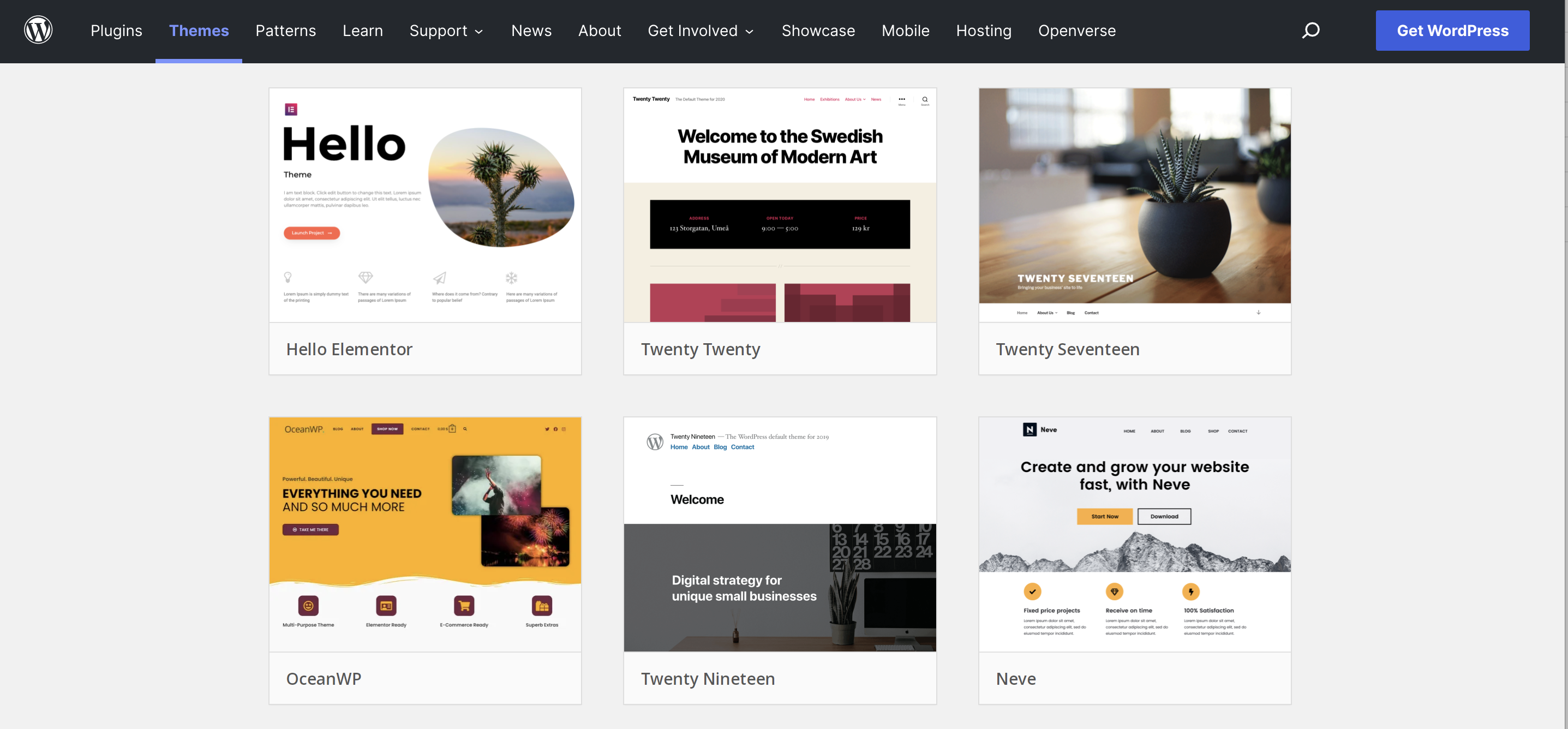
Choosing between free and premium themes can be tricky. Free themes are good for simple websites. They cost nothing and are easy to use. But they may have fewer features. Premium themes offer more options. They often come with better support. They usually cost money. Think about your needs. A free theme may be enough. Or a premium theme might be worth the money.
Not all themes work with all plugins. Check if your theme works with popular plugins. This ensures your site runs smoothly. Some themes are not updated often. This can cause problems. Always choose a theme that is updated regularly. Test the theme on different devices. Make sure it looks good everywhere. A well-chosen theme makes your site look great.
Uploading The Theme To WordPress
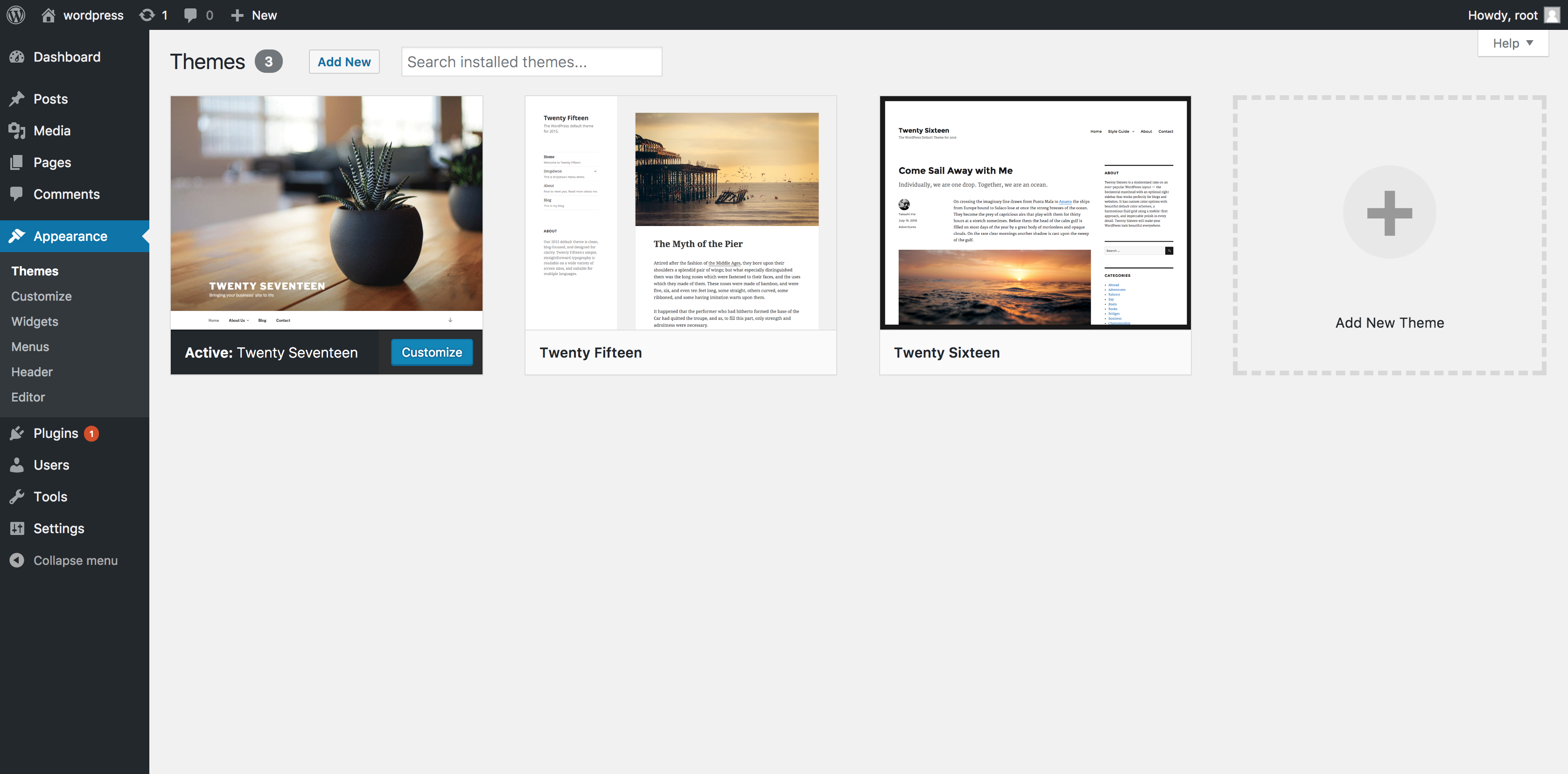
Upload your WordPress theme easily by accessing your domain’s admin panel. Navigate to Appearance, then Themes, and click Add New. Choose Upload Theme, select your file, and install it effortlessly.
Using The WordPress Dashboard
Start by logging into your WordPress dashboard. Locate the “Appearance” option on the left sidebar. Click it. Select “Themes”. You will see an “Add New” button at the top. Click it. Next, choose “Upload Theme”. A new window will pop up. Click “Choose File”. Select your theme file from your computer. Hit “Install Now”. Wait a few seconds. Your theme will upload. Once done, click “Activate” to use it.
Uploading Via Ftp
First, open your FTP client. Connect to your server. Find the folder named “wp-content/themes”. This is where themes live. Drag your theme folder from your computer. Drop it into the server folder. Wait for the upload to finish. It might take a while. Once done, go to your WordPress dashboard. Click “Appearance”. Find your theme. Click “Activate”. Now your theme is live.

Credit: www.bluchic.com
Customizing Your Theme
WordPress themes offer customization options to make your site unique. Users can change colors, fonts, and layouts to fit their style. A theme’s settings allow for easy adjustments. Small changes can make a big impact.
Theme Customization Options
Options vary by theme. Some themes offer more features than others. Common options include header settings and footer design. Widgets can be added for extra functionality. It’s important to explore all settings. This ensures your site looks its best.
Utilizing Theme Builders
Theme builders are tools that help create custom designs. They offer drag-and-drop features. This makes building a site easier. Beginners find these tools helpful. Advanced users like the flexibility they provide. Theme builders let you design without coding skills. They are popular for making sites stand out.
Ensuring Mobile Responsiveness
Mobile responsiveness is key for any website today. Test your WordPress theme on different devices. Phones, tablets, and desktops. Each device shows your site differently. Use tools to check how your theme looks. Browser tools help you see site design. Google’s Mobile-Friendly Test is useful. It checks how your site looks on phones. Make sure text and images fit well. No squished content. Adjust settings if needed. Responsive design is crucial. Good design attracts more visitors. Happy visitors stay longer on your site.
Small tweaks can make a big difference. Change font sizes for better readability. Adjust images so they don’t overflow. Use CSS for flexible layouts. Grid systems help organize content. Media queries are useful. They change styles based on screen size. Keep menus simple. Easy to click on mobile. Test again after adjustments. Ensure everything works fine. Responsive sites rank better on search engines. More visitors will find your site.
Credit: jetpack.com
Optimizing For Seo
Many themes claim to be SEO-friendly. But not all are truly optimized. Choosing the right theme is crucial. A good theme will load fast. It will be clean and organized. This helps search engines understand your site. Make sure the theme is also mobile-friendly. Many people use phones to browse. A responsive theme adjusts to any screen size. Look for themes with simple design. Avoid themes with too many features. They can slow down your site.
SEO plugins can help improve your site’s ranking. They make it easier to optimize content. Yoast SEO is popular. It checks your posts for SEO errors. It also helps with meta tags. Another useful plugin is All in One SEO Pack. It offers advanced features for experts. Beginners find it easy to use too. Google XML Sitemaps is another great plugin. It creates a sitemap for your site. This helps search engines find your pages. These plugins are easy to install. They make SEO tasks simple and fast.
Securing Your WordPress Site
Bringing your WordPress theme to your domain enhances your website’s security and personalizes your online presence. Start by choosing a reliable hosting provider. Install WordPress and upload your theme. Customize settings to ensure your site is secure and visually appealing.
This process strengthens your site’s protection while making it unique.
Basic Security Measures
Protecting your WordPress site is important. Start with a strong password. Use numbers, letters, and symbols. Change your passwords often. Enable two-factor authentication for extra safety. Keep your WordPress updated. Updates fix security holes. Make sure your themes and plugins are updated too. Be careful with user roles. Only give necessary permissions. Limit the number of admin users. This helps keep control.
Using Security Plugins
Security plugins can help protect your site. Choose reliable plugins. Look for ones with good reviews. They can scan for malware. Some plugins offer firewall protection. Others block suspicious login attempts. Regularly check plugin settings. Make sure they are working. Some plugins send alerts. These alerts inform you of suspicious activity. Monitor these alerts closely. Adjust settings as needed for your site’s safety.
Launching Your Site
Ensure all links work correctly. Double-check the content for errors. Confirm that images are visible. Verify that forms collect data properly. Test the site on different devices. Make sure your site is fast. Check all plugins are updated. Review your site’s security settings. Confirm SEO settings are correct. Ensure the layout looks good everywhere. Protect your site with strong passwords.
Tell friends about your site. Share on social media. Write a blog post about it. Send an email to your contacts. Join online groups. Ask for feedback. Use advertisements if possible. Create a newsletter for updates. Participate in forums. Collaborate with other websites. Engage with your audience. Make it easy for visitors to share.
Frequently Asked Questions
How Do I Upload A WordPress Theme?
To upload a WordPress theme, first log into your WordPress dashboard. Navigate to ‘Appearance’ and click ‘Themes’. Select ‘Add New’ and then ‘Upload Theme’. Choose your theme file, click ‘Install Now’, and activate it once installed. This process makes your theme live on your domain.
Can I Use Free Themes On My Domain?
Yes, free themes can be used on your domain. WordPress offers a vast library of free themes. Navigate to ‘Appearance’ and click ‘Themes’ to browse and install them. Ensure the theme is compatible with your version of WordPress and meets your website’s needs before activating.
How Do I Customize My WordPress Theme?
Customize your WordPress theme via the ‘Customize’ option under ‘Appearance’ in your dashboard. You’ll find options to change colors, fonts, menus, widgets, and more. Use the live preview to see changes in real-time. This allows you to tailor the theme to fit your brand perfectly.
What Should I Do If My Theme Is Broken?
If your theme is broken, first deactivate and reactivate it. Check for updates or conflicts with plugins. Restore from a backup if needed. If issues persist, contact the theme developer or support forums. Consider switching to a different theme temporarily while troubleshooting.
Conclusion
Bringing your WordPress theme to your domain is simple. Follow the steps carefully. Start with installing WordPress on your domain. Upload your chosen theme next. Customize it to fit your style. Ensure your settings are correct. Test your site to check for issues.
Fix any problems promptly. Regular updates keep your site secure. A well-maintained site attracts visitors. This process might seem complex, but with practice, it becomes easy. Your website will soon reflect your unique vision. Enjoy sharing your creation with the world.
Your online presence is just a few clicks away!


