
Are you looking to enhance your WordPress website and make it more user-friendly? Adding menu descriptions to your WordPress themes might just be the game-changer you need.
Imagine visiting a website and seeing a menu that clearly explains what each section offers. It’s not only helpful but also creates a more engaging experience for your visitors. By adding menu descriptions, you provide clarity, improve navigation, and keep your audience hooked.
This simple tweak could reduce bounce rates and increase the time users spend on your site. Ready to learn how to make your menus more descriptive and effective? Let’s dive into the steps that will transform your site into a user-friendly haven.
Credit: www.wpbeginner.com
Importance Of Menu Descriptions
Menu descriptions help users find what they need. They make your site more user-friendly. People can understand the menu better. This makes it easy for them to move around your site. They know what each link will show. This keeps users happy. They spend more time on your site.
Search engines like Google also like clear menus. It helps them know what your site is about. This can help your site show up better in search results. Good menu descriptions can lead to more visitors. More visitors mean more chances for success. Use simple words. Make it clear and easy to read. This is good for everyone.
Choosing The Right Plugin
Adding menu descriptions makes your site more engaging. Some plugins help with this task. WP Restaurant Manager and FoodPress are popular choices. These plugins are easy to use. They allow simple updates to your menu. Many users find them helpful.
Plugins offer different features. Look for plugins that are easy to install. Make sure they have customizable options. Check if they are compatible with your theme. Some plugins offer responsive design. This is good for mobile users. Always read user reviews before choosing.
Customizing Menus With Descriptions
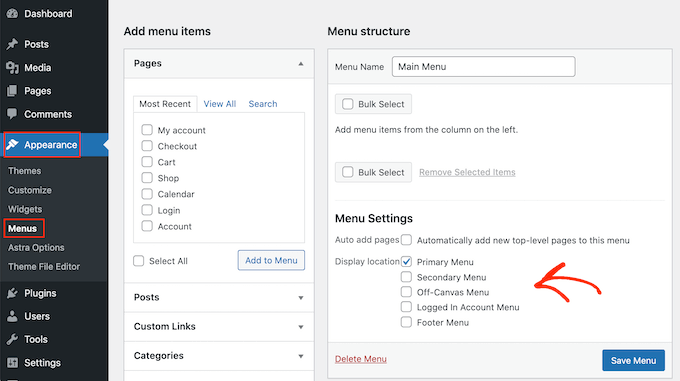
First, go to your WordPress dashboard. Then, find the “Appearance” section. Click on “Menus”. This opens the menu settings. Here, you can add or change menus. It’s easy and simple to do.
In the menu settings, find the menu you want. Click on it. Under each menu item, you will see a “Description” box. Type your text here. Make sure it is short and clear. Descriptions help users understand menu items better. They make your site user-friendly.
Using Custom Code
Enhance your WordPress theme by adding menu descriptions with custom code. This provides extra information for each menu item, improving navigation. Customize your website’s appearance while offering a better user experience.
Editing Theme Files
Editing your theme files can help add menu descriptions. First, access your theme folder. Use an FTP client or the file manager in your hosting panel. Navigate to the functions.php file. Open this file carefully. Code changes should be done with caution. Add the following PHP code:
function add_menu_description($item_output, $item, $depth, $args) {
if (!empty($item->description)) {
$item_output .= '';
}
return $item_output;
}
add_filter('walker_nav_menu_start_el', 'add_menu_description', 10, 4);
This code adds descriptions to your menu items. Save the changes. Now, test the menu on your website. Ensure everything works smoothly. Descriptions help users understand menu items better. They make navigation more intuitive.
Styling Menu Descriptions
CSS Techniques for Descriptions can make your menu look amazing. Use simple styles like font-size to change the text size. Color can make descriptions stand out. Try different background colors for fun effects. Use padding to give text space. Margins help with layout. Keep the design simple. Your visitors will thank you.
Ensuring Mobile Responsiveness is important. Mobile users need good design. Use media queries for different screen sizes. Text should be readable on phones. Images must fit smaller screens. Test the menu on different devices. Keep the layout neat and tidy. Everyone will enjoy your menu descriptions.
Credit: www.greengeeks.com
Testing And Troubleshooting
Adding menu descriptions in WordPress themes enhances user experience. Navigate to the menu section in the dashboard. Select the desired menu item and enter descriptive text in the provided field. Save changes and refresh your site to see the updated menu descriptions.
Common Issues And Fixes
Menus might not display correctly. Ensure menu settings are properly configured. Check if theme supports menus. Sometimes, themes may lack menu support. Install a plugin if needed. Review menu locations in theme settings. Menu might appear but look strange. Adjust CSS styles to fix appearance. A menu might not update. Clear browser cache to see changes. Ensure WordPress version is up-to-date. Older versions may cause issues. Update plugins regularly. They can affect menu behavior. Contact theme developer for persistent problems. They may offer solutions.
Testing Across Browsers And Devices
Test menus on different browsers. Each browser may display menus differently. Use Chrome, Firefox, and Safari for testing. Check menu on mobile devices. Mobile view may distort the menu layout. Use responsive design tools for testing. Ensure menus are mobile-friendly. Test menu on tablets and desktops. Size affects appearance. Adjust settings for better view. Review menu functionality on all devices. Menus should work smoothly everywhere.
Best Practices For Menu Descriptions
Crafting effective menu descriptions in WordPress themes enhances user experience. Use clear language to describe dishes, highlighting key ingredients. Ensure descriptions are concise, aiding quick decisions for visitors.
Enhancing User Experience
Menu descriptions help users find what they need fast. Keep descriptions short and clear. Use words that everyone understands. This makes menus easy to read.
Good descriptions guide users. Users feel happy when they find things easily. This improves their experience on your site.
Seo Considerations
Menu descriptions can boost SEO. Use keywords in your descriptions. This helps search engines find your pages.
Think about what users search for. Use those words in your menu descriptions. This can help your site show up in search results.
Make sure your menu descriptions match the page content. This helps users and search engines understand your site better.

Credit: visualmodo.com
Frequently Asked Questions
How Do I Add Menu Descriptions In WordPress?
To add menu descriptions in WordPress, navigate to the “Appearance” section, then select “Menus. ” Click on “Screen Options” at the top and enable “Description. ” Now, you can add descriptions directly to each menu item in the menu editor.
Why Are Menu Descriptions Important?
Menu descriptions enhance user experience by providing more context. They help visitors understand the menu items better and can improve navigation. Descriptions also contribute to SEO, as they allow you to include relevant keywords.
Can I Style Menu Descriptions In WordPress Themes?
Yes, you can style menu descriptions using CSS. Access the WordPress Customizer or your theme’s stylesheet. Target the description class to apply custom styles. This approach ensures your descriptions align with your site’s design.
Are Plugins Necessary For Menu Descriptions?
Plugins are not necessary for adding menu descriptions. WordPress has built-in functionality for this feature. However, plugins can enhance customization options, offering more styling and layout flexibility.
Conclusion
Menu descriptions enhance user experience on your WordPress site. They guide visitors to what they need quickly. Adding them is simple with the right steps. Customize your theme with clear, concise descriptions. This keeps visitors engaged and improves navigation. Practice these steps regularly for best results.
A well-structured menu boosts your site’s usability. Keep descriptions short and relevant. This way, users find what they want effortlessly. Use this guide to make your WordPress site more user-friendly. Happy customizing!


