
Are you wondering if Business Analysts fall under the role of Software Engineers? It’s a question that many professionals and companies face as technology and business needs evolve.
Understanding how these roles connect can shape your career choices and improve how your team works together. You’ll discover the key differences and overlaps between Business Analysts and Software Engineers. By the end, you’ll know exactly where each role fits—and why it matters for your success.
Keep reading to clear up the confusion and gain insights that can boost your career path.
Role Comparison
Comparing the roles of Business Analysts and Software Engineers helps clarify their differences. Both play important parts in software projects but focus on distinct areas. Understanding their roles prevents confusion and improves teamwork.
Core Responsibilities
Business Analysts gather and analyze business needs. They communicate between stakeholders and technical teams. Software Engineers design, write, and test code. They build the actual software based on requirements.
Skill Sets
Business Analysts need strong communication and problem-solving skills. They understand business processes and document requirements clearly. Software Engineers require coding skills and knowledge of software tools. They solve technical problems and debug software.
Typical Deliverables
Business Analysts deliver requirement documents, process flows, and use cases. They ensure the team understands what to build. Software Engineers deliver functional software, code modules, and technical documentation. They make sure the software works as intended.
Credit: orangesoft.co
Industry Perspectives
Industry views differ on whether business analysts fit under the software engineer role. Their responsibilities often overlap but also show clear differences. Various sectors treat the roles based on their needs and workflow.
Understanding these perspectives helps clarify the place of business analysts in the tech world.
Tech Companies
Tech firms usually keep business analysts and software engineers separate. Engineers focus on coding and technical solutions. Analysts study business needs and user requirements. Both roles collaborate closely but have distinct goals. Some tech companies may blur lines for flexibility. Still, the core skills remain different.
Consulting Firms
Consulting firms often mix roles to serve clients better. Business analysts may take on technical tasks. Software engineers might handle some analysis work. The focus is on problem-solving and client satisfaction. Role boundaries are softer here than in pure tech firms. Skills in both areas add value.
Startups Vs Established Firms
Startups tend to combine roles due to limited staff. Business analysts might write code or test software. Software engineers may gather business requirements too. In big firms, roles are usually clear and fixed. Each team member focuses on specialized tasks. The size and budget influence role definitions greatly.
Career Paths
Career paths for Business Analysts and Software Engineers often overlap but also differ in key ways. Understanding these paths helps professionals decide on their next steps. Business Analysts focus on bridging business needs and technology. Software Engineers design and build the software itself. Both roles offer unique opportunities for growth and change.
Transition Opportunities
Business Analysts can move into Software Engineer roles by learning coding skills. Many start with languages like Python or JavaScript. Taking part in software projects helps gain hands-on experience. Some companies offer training programs for such transitions. This path requires dedication and a willingness to learn technical skills.
Growth Trajectories
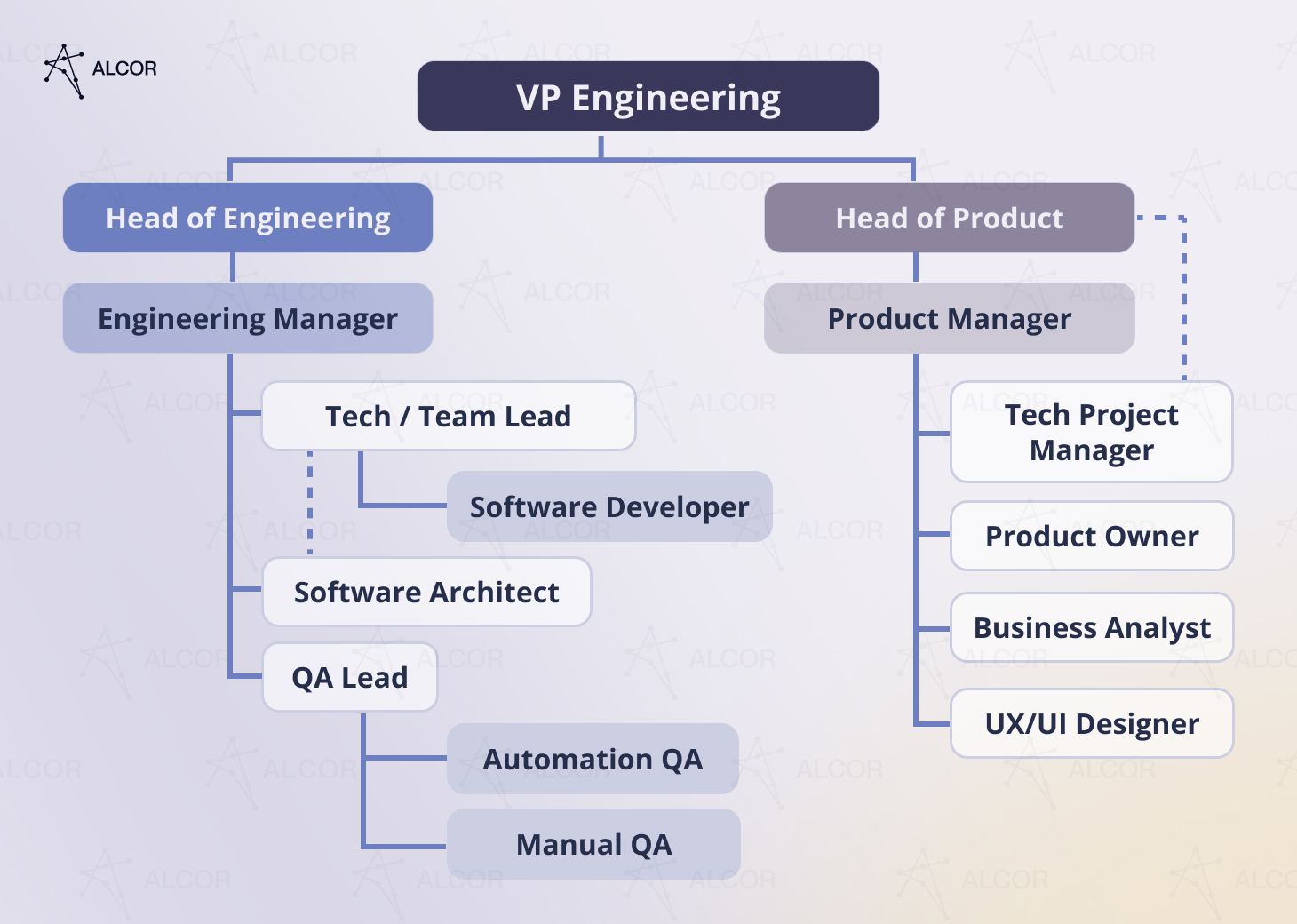
Business Analysts often grow into roles like Product Manager or Project Manager. They may also specialize in data analysis or UX design. Software Engineers can advance to senior developer or team lead positions. Some become software architects or technical managers. Both career paths offer many leadership roles in tech companies.
Certification And Training
Certifications boost credibility for both Business Analysts and Software Engineers. Business Analysts benefit from certifications like CBAP or PMI-PBA. Software Engineers gain from certifications in programming languages or cloud platforms. Online courses and bootcamps offer flexible learning options. Continuous training keeps skills current and relevant in the tech industry.

Credit: www.tatvasoft.com
Overlap And Differences
The roles of Business Analysts and Software Engineers often intersect, but they remain distinct. Understanding their overlap and differences helps clarify their contributions to projects. Both roles aim to deliver successful software solutions. Yet, their focus and skills differ in important ways.
Collaboration Points
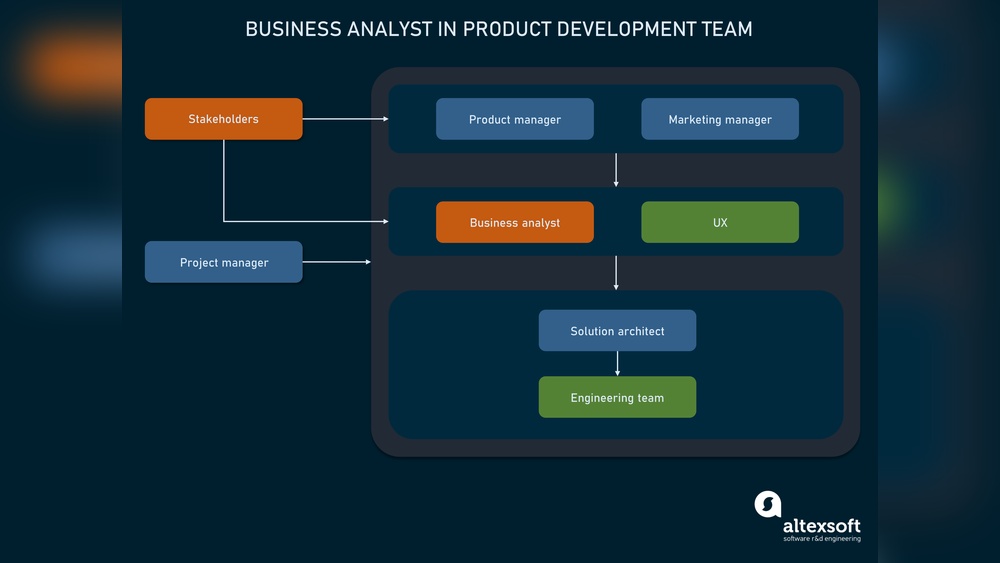
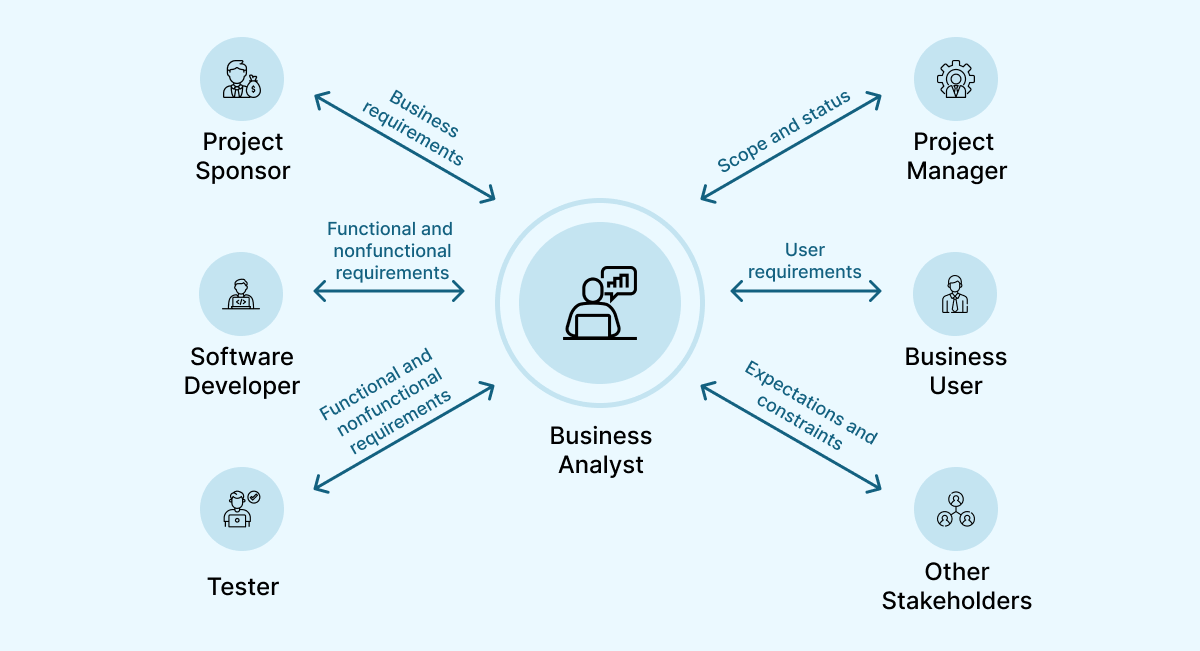
Business Analysts and Software Engineers work closely in project teams. Analysts gather requirements from users and stakeholders. They translate needs into clear, detailed documents. Engineers use these documents to design and build software. Both communicate regularly to ensure alignment. This collaboration reduces misunderstandings and errors. They also review progress and adjust plans as needed.
Distinct Roles
Business Analysts focus on understanding business needs. They analyze processes and define project goals. Their work involves writing use cases and user stories. Software Engineers focus on coding and technical solutions. They write, test, and maintain the software code. Engineers solve technical problems during development. Analysts do not usually write code. Their role centers on bridging business and technology.
Impact On Project Outcomes
Business Analysts help ensure the software meets user needs. They prevent scope creep and unclear requirements. Engineers deliver functional and reliable software products. Their technical skills affect quality and performance. Both roles are crucial for project success. Strong collaboration leads to better software results. Misalignment can cause delays and poor quality.
Future Trends
The future of business analysts and software engineers is shifting. Roles are blending as technology grows faster. Understanding these changes helps professionals stay relevant and prepared.
Evolving Job Roles
Business analyst duties are expanding beyond traditional tasks. They now work closely with software engineers on technical solutions. This overlap creates new hybrid roles. Companies want flexible employees who can analyze and build software.
Automation And Ai Influence
Automation and AI are changing how work gets done. Routine tasks for both roles are becoming automated. Business analysts use AI tools to gather data and predict trends. Software engineers focus more on complex coding and system design.
Demand In Job Market
Jobs that combine analysis and technical skills are in high demand. Employers seek workers who understand business needs and software processes. This demand may bring business analysts under the software engineer umbrella in some firms. Learning new tech skills can boost career chances.
Credit: alcor-bpo.com
Frequently Asked Questions
Are Business Analysts Considered Software Engineers?
No, Business Analysts are not typically classified as Software Engineers. They focus on requirements and processes, while engineers develop software solutions.
What Skills Differentiate Business Analysts From Software Engineers?
Business Analysts excel in communication, analysis, and requirement gathering. Software Engineers specialize in coding, system design, and technical problem-solving.
Can A Business Analyst Transition Into A Software Engineer Role?
Yes, with sufficient technical training and coding experience, Business Analysts can transition into Software Engineering roles.
Do Business Analysts Write Code Like Software Engineers?
Generally, Business Analysts do not write code. Their role emphasizes understanding business needs, not software development.
Conclusion
Business Analysts and Software Engineers have different roles but work closely. Business Analysts focus on understanding needs and creating clear plans. Software Engineers build and test the actual software. Some companies combine these roles, but they remain distinct jobs. Knowing the difference helps when choosing a career path.
Both roles are important for successful projects. Understanding each role’s tasks makes teamwork easier. The future may bring more overlap, but skills stay unique. Choose the role that fits your interests and strengths best.


