
Are you wondering who your domain host is and how it affects your G Suite setup? Knowing this is key to getting your email, calendar, and documents running smoothly.
If you’re feeling stuck or confused, you’re not alone. This guide will help you find your domain host quickly and show you exactly how to connect it with G Suite. By the end, you’ll have the confidence to manage your setup without frustration.
Keep reading to unlock the simple steps that make a big difference for your business or personal use.
Choosing A Domain Host
Choosing a domain host is an important step for your G Suite setup. The right host keeps your website online and secure. It also affects how easily you manage your email and other services. Picking a good domain host saves time and avoids problems later. This section helps you understand what to look for.
Types Of Domain Hosts
There are different types of domain hosts. Shared hosting means many users share one server. It is cheap but slower. VPS hosting offers better speed and control. Dedicated hosting gives you a whole server alone. It is best for large websites. Cloud hosting uses many servers to keep your site up. It is flexible and reliable.
Factors To Consider
Look for uptime guarantees to keep your site live. Check how easy the control panel is to use. See if the host offers good customer support. Notice the price and what features come with it. Security features like SSL certificates are very important. Also, check if the host allows easy G Suite integration.
Popular Domain Hosts
Some domain hosts are well-known for reliability. GoDaddy offers simple domain registration and hosting. Bluehost is popular for WordPress sites and good support. HostGator provides affordable plans with many features. Google Domains works well with G Suite for smooth setup. Namecheap offers low prices and easy management tools.
Credit: www.goodbarber.com
G Suite Basics
G Suite is a popular tool for businesses. It helps teams work together easily. Understanding the basics of G Suite is important for setting it up with your domain host. This section explains what G Suite is, its key features, and benefits for businesses.
What Is G Suite
G Suite is a collection of cloud-based apps by Google. It includes tools like Gmail, Google Drive, and Google Docs. These apps help with email, storage, and document creation. G Suite works on any device with internet access. It supports teamwork by allowing real-time collaboration.
Key Features
G Suite offers professional email with your domain name. It provides secure storage space with Google Drive. You can create and share documents, sheets, and slides easily. Video meetings happen through Google Meet. Calendar helps schedule and manage appointments. Admin controls let you manage users and devices.
Benefits For Businesses
G Suite improves communication within teams. It saves time by allowing work from anywhere. Files stay safe and easy to share. It lowers costs by reducing the need for IT support. Businesses get reliable tools that grow with them. G Suite also ensures data stays private and secure.
Preparing For G Suite Setup
Preparing for your G Suite setup is an important first step. It helps ensure a smooth and quick process. Taking time to understand what you need will save you trouble later. This preparation involves verifying your domain, checking DNS settings, and securing the right permissions.
These steps make sure your G Suite works correctly with your website and email. You will avoid common issues by following each part carefully. Let’s break down the key tasks you must complete before starting the G Suite setup.
Domain Verification
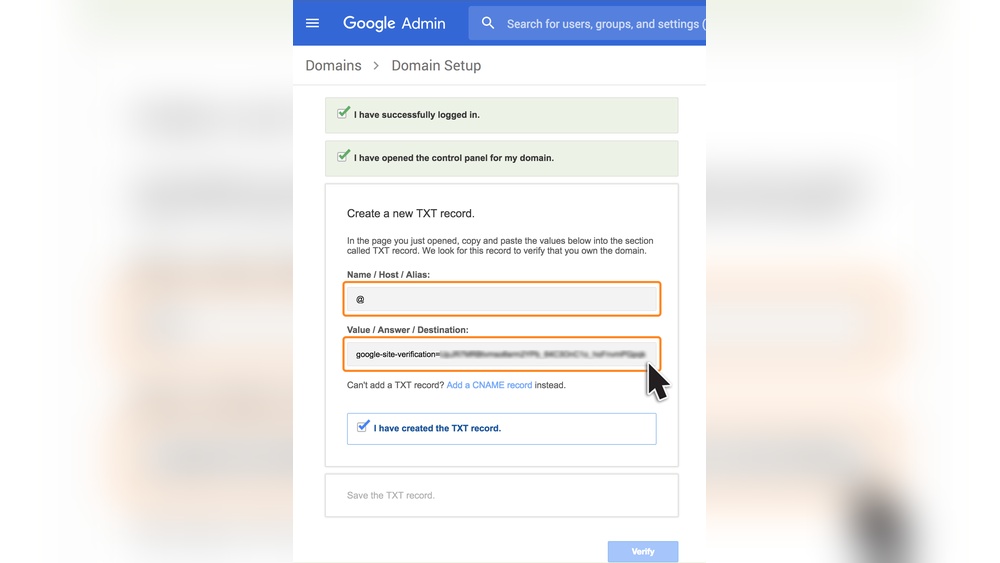
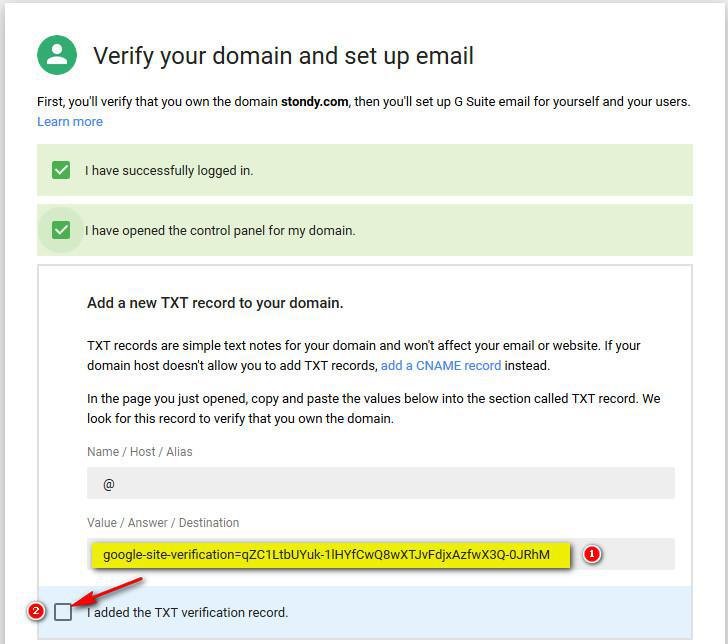
Domain verification proves you own your website’s domain. Google needs this to protect your account and data. You will add a special code to your domain’s DNS records. This code tells Google you have control of the domain.
Verification usually takes a few minutes but can take longer. Make sure you follow Google’s instructions exactly. Without verification, you cannot use G Suite services with your domain.
Dns Settings Overview
DNS stands for Domain Name System. It connects your domain name to internet servers. For G Suite, you must update DNS settings to link your email and services.
Common DNS records include MX, TXT, and CNAME. MX records direct email to Google servers. TXT records are for domain verification and security. CNAME records help with web addresses and service aliases.
Check your domain host’s dashboard or control panel. Each host may look different but the process is similar. Correct DNS settings are key to proper G Suite function.
Required Access And Permissions
You need proper access to your domain host account to set up G Suite. This means you can log in and change DNS records or settings. Often, the domain owner or admin has these rights.
Without access, setup cannot proceed. Ask your domain host or IT person to grant permission. Having the right access early helps avoid delays during setup.
Keep your login details safe and secure during this process. Only authorized users should make changes to your domain.
Credit: help.10web.io
Step-by-step G Suite Setup
Setting up G Suite for your domain helps you use Google’s tools with your own email address. This process connects your domain to Google’s services, allowing you to send and receive emails from your custom address. Follow these clear steps to complete your G Suite setup quickly and correctly.
Creating A G Suite Account
Start by going to the Google Workspace website. Choose a plan that fits your needs and click “Get Started.” Enter your business name and the number of employees. Provide your contact details, including an email address you already use. Next, add your domain name. This will link your website to G Suite services.
Verifying Your Domain
Google needs to confirm you own the domain. Sign in to your domain host’s website. Find the DNS settings or domain management area. Google gives a verification code, usually a TXT record. Copy this code and add it to your domain’s DNS records. Save changes and go back to Google. Click the verify button to complete this step.
Configuring Dns Records
DNS records tell the internet where to send your emails. You must add specific Google MX records to your domain’s DNS settings. Log in to your domain host account. Open the DNS management page. Remove old MX records if any. Add the new Google MX records exactly as provided by Google. Save all changes and wait for them to update.
Setting Up Email Routing
Proper email routing ensures your messages reach Google’s servers. Check your domain host’s email routing settings. Set routing to “Google Workspace” or “G Suite.” This tells your domain to send emails to Google’s mail servers. Test by sending an email to your new address. Confirm that you can send and receive messages without issues.
Managing G Suite With Your Domain Host
Managing G Suite with your domain host is key to running your business email smoothly. Your domain host controls important settings that connect G Suite to your website and email. Understanding these settings helps keep your email and services working well.
Each domain host has tools to help you set up and manage G Suite. These tools include updating DNS records, solving common problems, and keeping your account safe. Knowing how to use these tools makes managing G Suite easier and more secure.
Updating Dns Records
DNS records tell the internet where to find your email and website. To use G Suite, you must add or change records like MX, TXT, and CNAME. MX records direct email to Google’s servers. TXT records verify your domain ownership. CNAME records help with services like Gmail and Calendar.
Access your domain host’s dashboard to update these records. Enter the exact values provided by Google. Save changes and wait for them to take effect. This process links your domain with G Suite services.
Handling Common Issues
Sometimes email may not work or your domain may not verify. Check DNS records first for errors or typos. Make sure all records match Google’s instructions exactly. Clear your browser cache and try again. Contact your domain host support if problems persist.
Common issues include delays in DNS propagation, wrong record types, and missing entries. Fixing these quickly helps avoid email downtime and loss of messages.
Maintaining Security
Security is vital when managing G Suite with your domain host. Use strong passwords and enable two-factor authentication on your domain account. Regularly review who has access to your domain host control panel.
Keep your DNS records private and avoid sharing login details. Monitor your domain for unusual activity. These steps protect your business data and email from hackers.
Troubleshooting Tips
Setting up G Suite with your domain host can sometimes cause problems. Troubleshooting tips help fix common issues quickly. This saves time and keeps your work smooth. Here are some simple solutions for frequent problems during setup.
Verification Failures
Verification fails if the DNS records are wrong. Double-check your TXT or CNAME records for mistakes. Use your domain host’s control panel to update these records. Wait a few hours, as changes may take time to apply. Clear your browser cache before trying verification again.
Email Delivery Problems
Email delivery issues often come from incorrect MX records. Ensure your MX records match Google’s recommended settings exactly. Remove any old or conflicting MX entries. Test sending and receiving emails after updating. Check your spam folder to see if emails are wrongly filtered.
Access And Permission Errors
Access errors happen if user roles are not set right. Assign proper permissions in the G Suite admin console. Confirm users have the correct email and login details. Reset passwords if users cannot sign in. Review group settings to avoid permission conflicts.
Optimizing Your G Suite Experience
Optimizing your G Suite experience improves productivity and collaboration. It helps you work smarter and faster. Small changes can make a big difference in daily tasks. This section covers key steps to enhance your G Suite setup.
Integrating Third-party Apps
Connect third-party apps to extend G Suite’s capabilities. Apps for project management, communication, and file sharing can boost efficiency. Choose apps that fit your team’s needs. Integration often requires simple permissions and setup. This adds useful tools without leaving G Suite.
Customizing User Settings
Adjust user settings to fit individual roles and preferences. Set up email filters, signatures, and notification preferences. Control access to documents and apps for security. Custom settings improve comfort and reduce distractions. Make these tweaks regularly for best results.
Monitoring Usage And Analytics
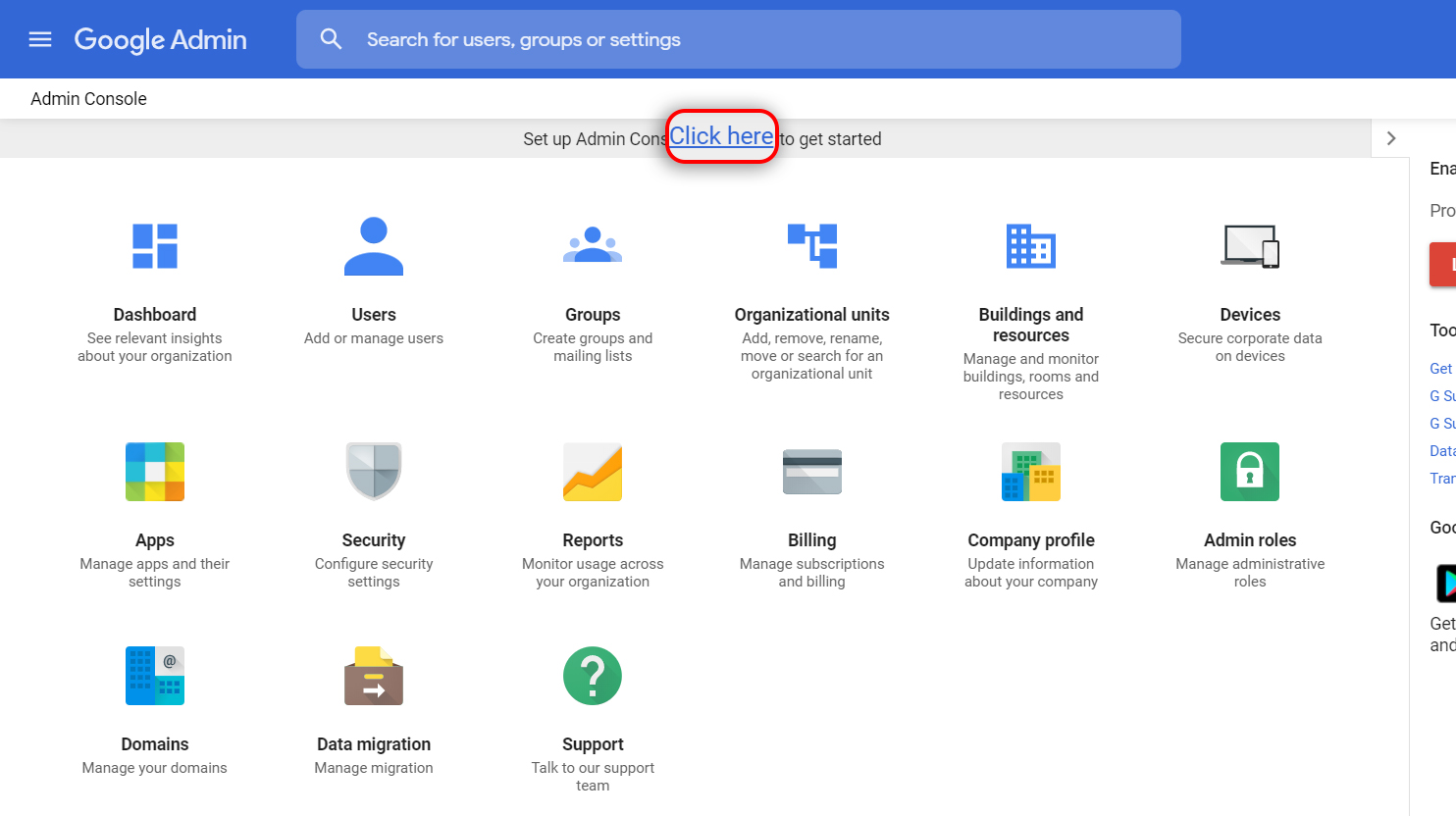
Use built-in tools to track how your team uses G Suite. Analytics show email volume, document activity, and login patterns. Monitoring helps find areas that need improvement. Spot unusual activity early to keep data safe. Regular reviews keep your G Suite environment efficient.
Credit: support.google.com
Frequently Asked Questions
What Is A Domain Host In G Suite Setup?
A domain host manages your website’s domain name and DNS settings. It connects your domain to G Suite services like email and calendars. Proper setup ensures smooth email delivery and website functionality within G Suite.
How Do I Link My Domain Host To G Suite?
To link, update your domain’s DNS records with G Suite’s MX, CNAME, and TXT settings. This verifies ownership and enables email and other G Suite features. Domain hosts provide control panels to make these changes easily.
Can I Use Any Domain Host With G Suite?
Yes, G Suite supports most domain hosts. You only need access to your domain’s DNS settings. Popular hosts like GoDaddy, Bluehost, and Namecheap work seamlessly with G Suite.
Why Is Domain Verification Important For G Suite?
Domain verification proves you own the domain you want to use with G Suite. It prevents unauthorized use and activates G Suite services. Verification is done by adding a TXT record via your domain host.
Conclusion
Choosing the right domain host is key for your G Suite setup. A reliable host helps your email and apps run smoothly. It saves time and avoids technical problems. Check your host’s support and features before starting. Clear steps make setup easier and faster.
With the right host, your G Suite works well for your business. Simple choices lead to better online tools. Keep your setup organized for easy management later. This makes your workday less stressful and more productive.


