

Are you wondering which career path could bring you a higher paycheck: software developer or business analyst? You’re not alone.
Choosing between these two popular roles can feel tricky, especially when salary matters a lot to your future. You’ll discover clear answers based on real data. By the end, you’ll know exactly which job could boost your income and fit your skills best.
Keep reading to make a confident choice that benefits your wallet and your career.
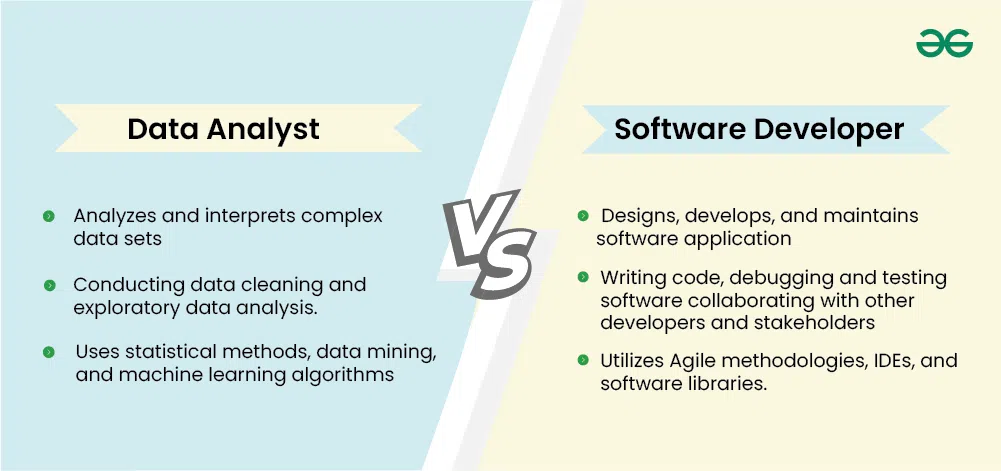
Credit: www.geeksforgeeks.org
Salary Basics
Understanding salary basics helps you compare software developers and business analysts. Both roles offer good pay, but the numbers change by experience and skills. Knowing typical earnings can guide your career choices.
Salary depends on job level, company size, and location. Let’s explore entry-level, mid-level, and senior position salaries for each role.
Entry-level Pay
Entry-level software developers usually start with higher pay than business analysts. Starting salaries for developers often range from $60,000 to $75,000 per year. Business analysts tend to earn between $50,000 and $65,000 at the start. The difference comes from technical skills required for developers.
Mid-level Earnings
Mid-level developers see a salary increase, often between $80,000 and $110,000 annually. Business analysts in mid-level roles earn about $70,000 to $95,000. Developers gain value from advanced coding skills and project experience. Analysts grow by improving communication and business knowledge.
Senior Position Salaries
Senior software developers can earn $110,000 to $150,000 or more. Their expertise in complex systems drives higher pay. Senior business analysts earn slightly less, around $90,000 to $130,000 yearly. They lead projects and bridge gaps between teams. Both roles reward experience, but developers often have higher top salaries.
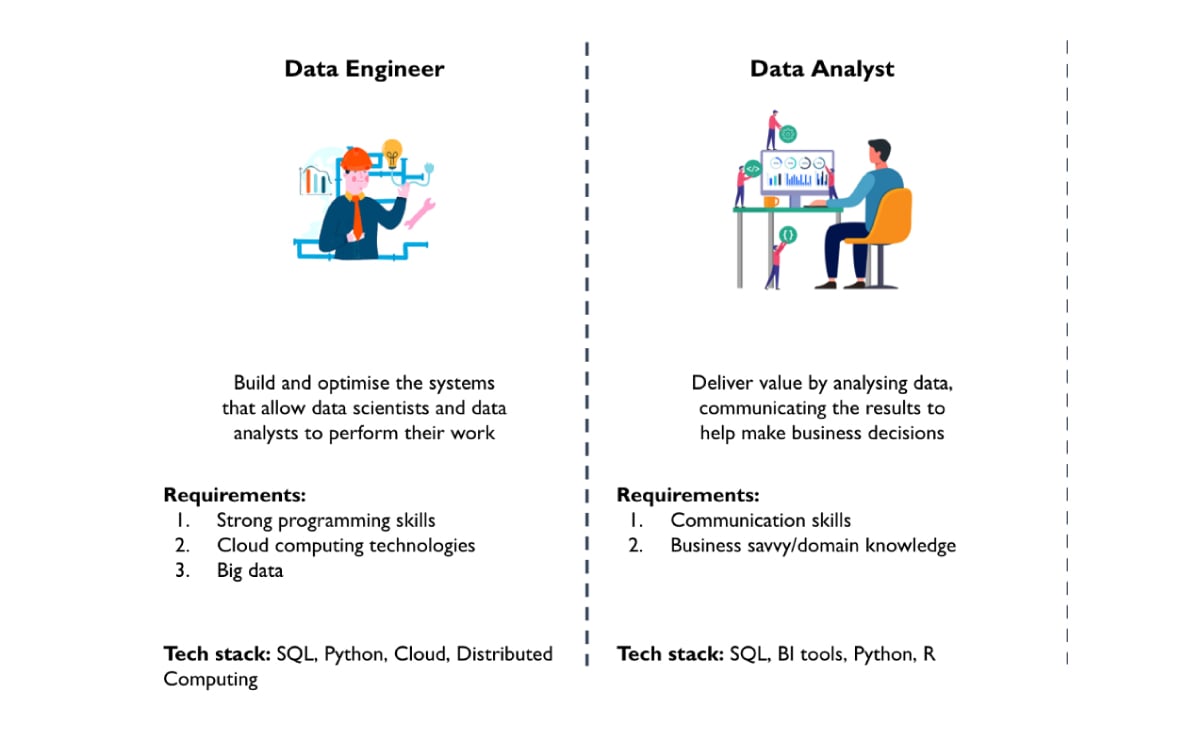
Credit: www.springboard.com
Factors Influencing Pay
Many factors affect the pay of software developers and business analysts. Salaries vary widely based on several key elements. Understanding these factors helps explain who earns more.
Pay depends on where you work, the industry, and the size of the company. Each factor changes how much money you can make. Let’s explore these influences one by one.
Location Impact
Location plays a big role in salary differences. Cities with higher living costs often pay more. For example, tech hubs like San Francisco or New York offer higher wages. Smaller towns or rural areas usually have lower pay. This affects both software developers and business analysts.
Industry Variations
Different industries pay differently for similar roles. Tech companies often pay software developers more than business analysts. Finance and healthcare industries might offer better pay to business analysts. Some sectors value specific skills more, which changes salary levels.
Company Size Effects
Company size impacts pay significantly. Large companies tend to offer higher salaries and better benefits. Smaller firms may pay less but offer other perks. Startups sometimes pay less but give stock options. Both roles feel these effects depending on the employer size.
Skillset Comparison
Comparing the skillsets of software developers and business analysts helps to understand their roles better. Both careers require different strengths but are important in the tech world. Knowing these skills clarifies why their earnings can vary.
Technical Skills
Software developers need strong coding skills. They write, test, and fix software programs. Languages like Java, Python, and C++ are common tools. They also use development frameworks and databases.
Business analysts require less coding knowledge. They focus more on tools that help in data analysis and process modeling. Skills in SQL, Excel, and business intelligence software matter more here.
Analytical Abilities
Both roles need good analytical skills but apply them differently. Developers analyze technical problems and create solutions in code. They break down complex software tasks into smaller parts.
Business analysts analyze business needs and market trends. They find ways to improve processes and product features. They must understand user requirements clearly.
Communication Skills
Communication is key for business analysts. They work closely with stakeholders, explaining technical ideas in simple words. Their role often involves writing reports and leading meetings.
Developers communicate mainly within their team. They discuss software issues and collaborate on coding tasks. Clear communication helps avoid errors and speeds up development.
Job Responsibilities
Job responsibilities shape the roles of software developers and business analysts. Each role focuses on different tasks that support project success and business growth.
Understanding these tasks helps clarify why their earnings might differ. Both careers require unique skills and have distinct daily duties.
Software Developer Tasks
Software developers write and test code for applications and systems. They build software that meets user needs and company goals. Developers fix bugs and improve software performance. They collaborate with other team members to create new features. Developers also update software to keep it secure and efficient.
Business Analyst Duties
Business analysts gather and analyze business requirements. They talk with stakeholders to understand project goals. Analysts document processes and suggest improvements. They act as a bridge between technical teams and business units. Business analysts ensure solutions meet business needs and add value.
Career Growth And Opportunities
Career growth and opportunities play a big role in choosing between software developer and business analyst roles. Both fields offer paths to success but differ in focus and skills. Understanding these differences helps decide which career fits your goals.
Promotion Paths
Software developers often move from junior to senior roles. They can become team leads or software architects. Some advance to project managers or technical directors. Business analysts can grow into senior analyst roles. They may become product owners or business consultants. Leadership roles in business analysis include managing teams or strategy positions.
Skill Development
Software developers learn coding, system design, and testing. They improve by mastering new programming languages and tools. Business analysts develop skills in communication, data analysis, and process modeling. They learn to manage projects and understand business needs better. Both careers require ongoing learning to stay current.
Market Demand Trends
Demand for software developers remains strong due to technology growth. New fields like AI and cloud computing increase job openings. Business analysts also see steady demand as companies need to improve processes. Digital transformation raises the need for analysts. Both roles offer good job security but vary by industry.

Credit: www.gsdcouncil.org
Freelance And Contract Work
Freelance and contract work offer flexible earning options for both software developers and business analysts. This type of work allows professionals to choose projects and set their schedules. Payment depends on skills, experience, and market demand. Earnings can vary widely between industries and locations.
Freelance Developer Earnings
Freelance software developers often charge by the hour or per project. Hourly rates usually range from $30 to $100 or more. Experienced developers with in-demand skills earn higher rates. The variety of projects can include web apps, mobile apps, and software tools. Developers who build strong portfolios attract better-paying clients. However, income may be inconsistent depending on client flow.
Contract Business Analyst Rates
Contract business analysts typically earn between $40 and $90 per hour. Rates depend on industry, project complexity, and experience. Business analysts who understand both business and technology command higher fees. Their work often involves requirement gathering, process analysis, and stakeholder communication. Contract roles can last from a few weeks to several months. Stability in contract work can vary with market needs.
Education And Certification Influence
Education and certification play a big role in the salary differences between software developers and business analysts. Employers often look for specific degrees and certificates before offering a job or a raise. These credentials show skills and knowledge in the field. They can also open doors to better job opportunities and higher pay.
Degree Requirements
Software developers usually need a degree in computer science or related fields. This degree teaches programming, software design, and problem-solving skills. Business analysts often have degrees in business, finance, or information technology. Their degree focuses on understanding business processes and data analysis. Having a relevant degree can lead to better pay in both jobs.
Valuable Certifications
Certifications add extra value to a resume. Software developers benefit from certificates like AWS Certified Developer, Microsoft Certified, or Oracle Java Programmer. These prove expertise in specific technologies. Business analysts gain from certifications like CBAP (Certified Business Analysis Professional) or PMI-PBA (Professional in Business Analysis). These certificates show skills in managing projects and analyzing business needs. Certified professionals often earn more than those without certificates.
Frequently Asked Questions
Who Earns More: Software Developer Or Business Analyst?
Software developers generally earn more due to technical expertise and high demand. Business analysts earn less but have strong growth potential. Salaries vary by experience, location, and industry.
What Factors Influence Software Developer Salaries?
Experience, skill set, industry, and location impact software developer salaries. Specialized skills like AI or cybersecurity boost pay. Senior roles earn significantly higher salaries than entry-level positions.
How Does Business Analyst Salary Compare Across Industries?
Business analyst salaries vary by industry, with finance and IT sectors paying higher. Experience and certifications also influence pay. Analysts in healthcare and government typically earn less than those in tech.
Can Business Analysts Increase Earning Potential?
Yes, business analysts can boost earnings by gaining certifications like CBAP. Developing technical skills and industry expertise also helps. Transitioning into product management or project management can increase salary.
Conclusion
Software developers and business analysts both earn good salaries. Pay depends on skills, experience, and location. Software developers often earn more due to technical demand. Business analysts also have strong earning potential, especially with business skills. Choosing a career depends on your interests and strengths.
Both roles offer growth and job stability. Consider what work you enjoy daily. Salary is important but not the only factor. Find the right fit for a happy career.


