Are you managing a WordPress website and eager to enhance its visibility on search engines? If so, understanding the role of sitemaps is crucial.
One powerful tool that can help you with this is Yoast SEO. But where exactly can you find the URL for your WordPress sitemap using Yoast? This question may seem trivial, yet knowing the answer can significantly boost your site’s SEO performance.
Imagine the impact of having search engines effortlessly navigate and index your content. We’ll demystify the process and guide you to locate your sitemap URL with ease. Get ready to unlock the full potential of your website and attract more visitors than ever before!
Credit: yoast.com
WordPress Sitemap Basics
A sitemap helps search engines find your pages. It is a list of website pages. Yoast SEO creates a sitemap for WordPress. The sitemap URL is easy to find. This helps in better search engine ranking.
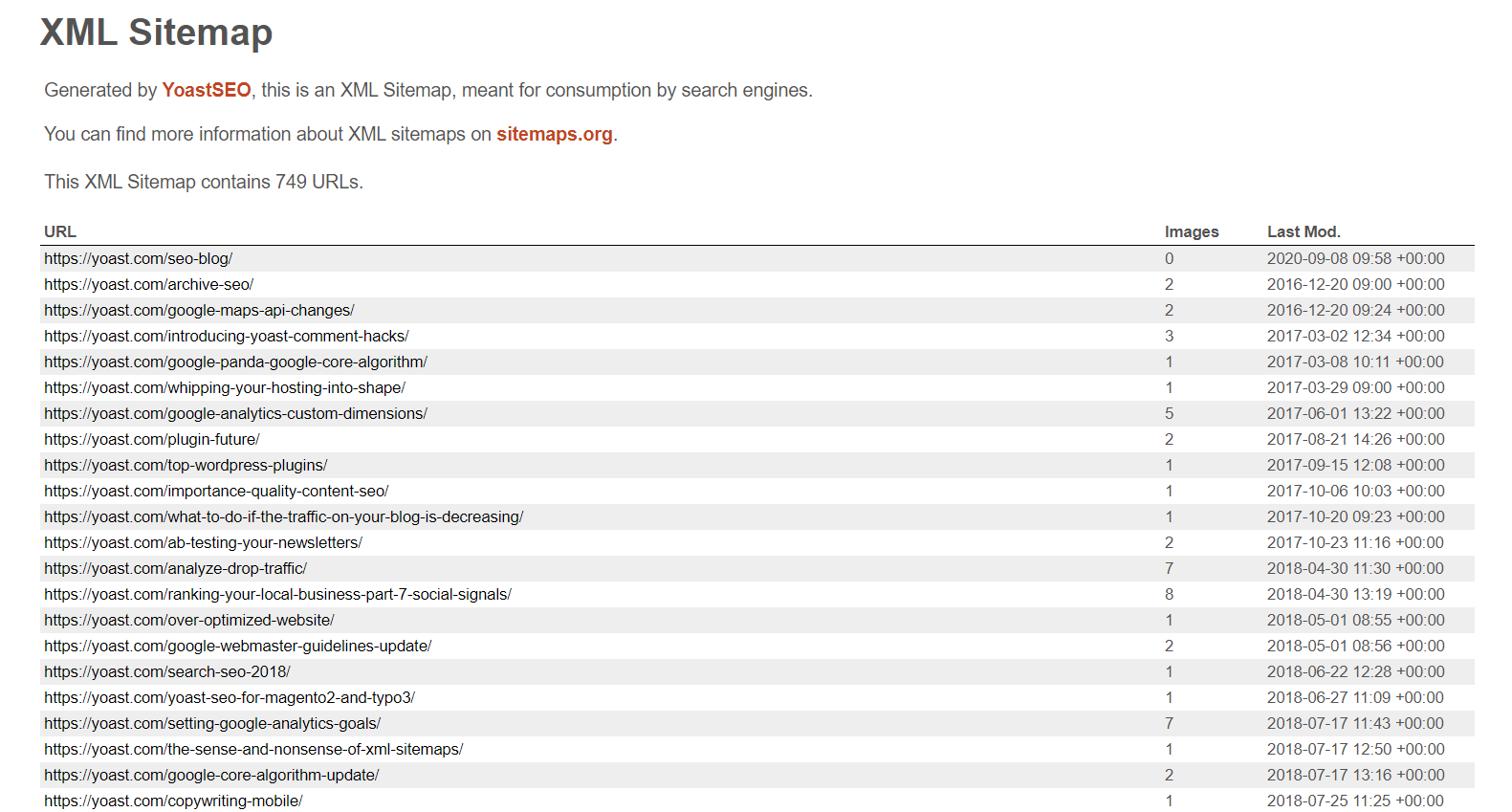
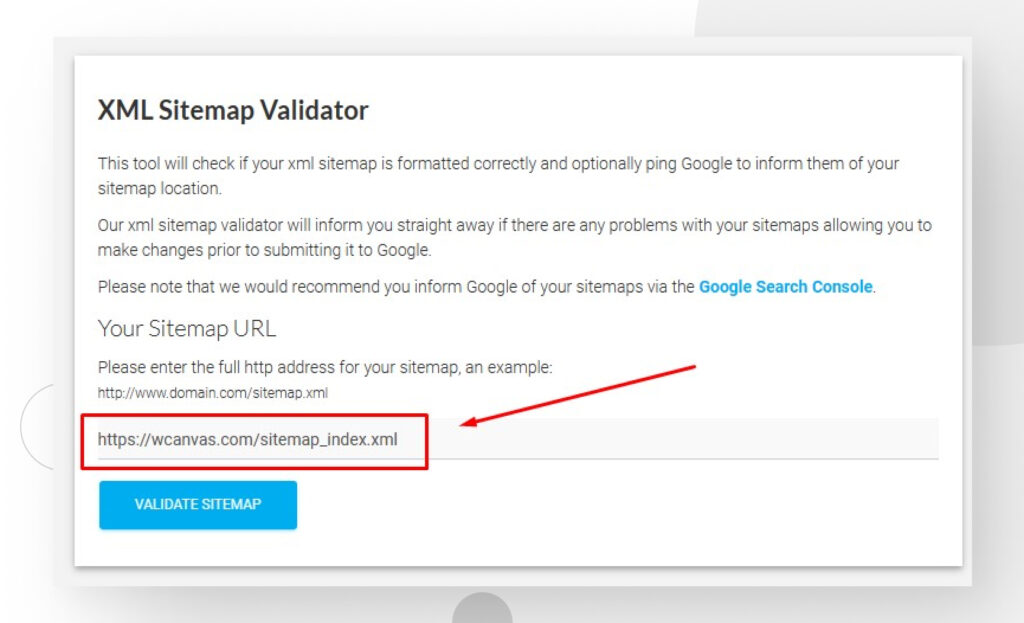
The sitemap URL is usually simple. Add /sitemap_index.xml to your site URL. Example: www.yourwebsite.com/sitemap_index.xml. This shows all your site maps.
Sitemaps help search engines. They find and understand your content. This is important for better visibility. Ensures all important pages are indexed. Helps in driving more traffic.
Role Of Sitemaps In Seo
Sitemaps help search engines understand your website. They show all your pages. This helps search engines find your content fast. With a sitemap, your site can be indexed better. Better indexing leads to more visitors. More visitors can mean better sales or readership.
Using a sitemap is easy with WordPress. Yoast plugin helps create a sitemap. The sitemap URL is simple to find. It’s usually yoursite.com/sitemap_index.xml. This URL lists all your site’s important pages. Search engines check this URL often. Keeping it updated is key.
Sitemaps help with SEO. They make sure search engines see all content. Without a sitemap, some pages might be missed. Missed pages can mean less traffic. Less traffic can hurt your site’s growth. So, always use a sitemap for better SEO.
Introduction To Yoast Seo Plugin
Yoast SEO helps websites rank better. It is easy to use. Yoast gives tools to improve site visibility. SEO means Search Engine Optimization. Yoast makes SEO simple. Most users love Yoast for its features. One important feature is the sitemap. Sitemaps guide search engines. They help engines find web pages. Yoast creates sitemaps automatically. This saves users time. Users do not need to know coding. Yoast is very user-friendly. It shows steps clearly. Anyone can use Yoast for SEO help.
Credit: wcanvas.com
Generating Sitemaps With Yoast
Creating a sitemap in WordPress using Yoast is simple. Yoast makes it easy to generate sitemaps. First, go to your WordPress dashboard. Find the Yoast SEO plugin. Click on SEO in the sidebar. Then, select General. Next, click on the Features tab. Scroll down to find the XML sitemaps option. Make sure it is turned on. This feature is vital for search engines. It helps them find your pages. Once enabled, the sitemap is ready. You can view it by adding /sitemap_index.xml to your site’s URL. For example, www.yoursite.com/sitemap_index.xml. This URL shows your sitemap. It includes all your site’s pages.
Locating Your Yoast Sitemap Url
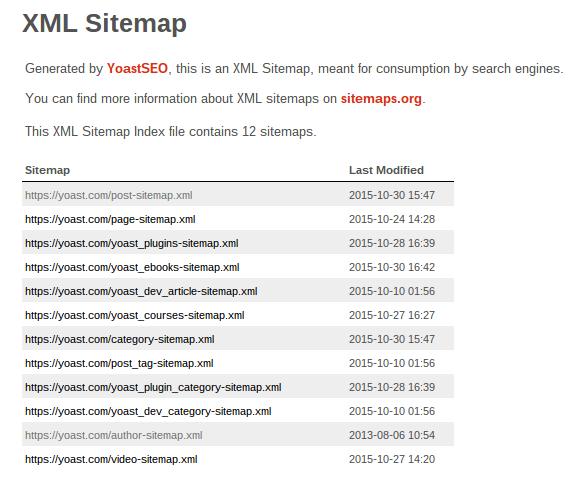
Finding the Yoast Sitemap URL is simple. First, go to your WordPress dashboard. Click on the SEO option on the left menu. Next, select the General tab. Here, you will see the Features section. Make sure the XML sitemaps toggle is on.
Then, click the small question mark next to it. A link saying “See the XML sitemap” will appear. Click on it to view your sitemap. The URL in the browser is your sitemap URL.
You can also find it manually. Simply add /sitemap_index.xml to your website’s domain.
For example, example.com/sitemap_index.xml.
Credit: yoast.com
Customizing Sitemap Settings
Yoast SEO helps make your website more visible. It creates a sitemap for search engines. This sitemap helps search engines find your pages. You can customize these sitemap settings. It is easy to do.
Go to your WordPress dashboard. Click on SEO and then General. Look for the Features tab. Here, you can turn the sitemap on or off. You can also exclude pages you don’t want in the sitemap. Choose the pages carefully.
Click on Save Changes to keep your settings. This way, you control which pages search engines see. It helps in managing your site’s visibility. Make sure all important pages are included.
Submitting Sitemap To Search Engines
Search engines need a sitemap to find your site pages. Yoast SEO plugin helps with this. First, find the sitemap URL in your WordPress. It’s usually your-site.com/sitemap_index.xml. Check this in your browser.
Next, go to Google Search Console. Click on “Sitemaps” in the menu. Enter your sitemap URL. Then, click “Submit.” Do the same in Bing Webmaster Tools. This helps search engines understand your site better.
If you change your content, update the sitemap. This keeps search engines informed. It is easy with Yoast. Check the plugin settings often. This ensures everything is working fine.
Troubleshooting Common Issues
Sometimes, the sitemap URL might not work. Check if Yoast SEO plugin is installed correctly. This plugin is important for creating sitemaps. If the sitemap is missing, ensure you have enabled it in the settings. Visit the Yoast SEO menu in WordPress. Enable the sitemap feature there.
Another common problem is a 404 error when accessing the sitemap. Check the permalinks settings. Go to WordPress settings and refresh permalinks. This often fixes the issue. If a sitemap still doesn’t appear, plugins may conflict. Disable other plugins and check again.
If you use caching plugins, clear the cache. Sometimes, cached data causes sitemap errors. Regularly update all plugins and themes. Updates can solve many issues. Always backup your site before making big changes. This ensures you can restore it if needed.
Benefits Of Using Yoast For Sitemaps
Yoast helps make sitemaps easily. These maps guide search engines. They find your content faster. Search engines use maps to know what to index. This is good for your website. It helps with better visibility.
Yoast keeps sitemaps updated. Every time you add a post, it changes the map. This means new content gets seen quickly. Search engines like fresh content. Your site can rank higher.
Using Yoast is simple. No need to learn coding. Just activate the plugin. It does the work for you. This saves time. Even for beginners, it’s easy to use. It makes SEO simpler and more effective.
Frequently Asked Questions
How Do I Find My WordPress Sitemap Url?
To find your WordPress sitemap URL using Yoast, navigate to the “SEO” section in your dashboard. Click on “General,” then “Features,” and ensure “XML sitemaps” is enabled. Your sitemap URL is typically “yourdomain. com/sitemap_index. xml. “
Why Is A Sitemap Important For WordPress?
A sitemap is crucial for WordPress because it helps search engines index your site efficiently. It ensures all your pages are discovered, improving visibility and ranking. A well-structured sitemap boosts SEO by providing accurate information about your site’s structure.
Can I Customize My Yoast Sitemap?
Yes, Yoast allows customization of your sitemap. You can exclude specific pages or posts from appearing. Access the “Search Appearance” settings to manage what content is included. Customizing helps prioritize essential content for search engines.
How Often Should I Update My Sitemap?
Updating your sitemap depends on how frequently you add new content. Regular updates ensure search engines recognize fresh content. Typically, updating once a month or whenever you add significant new pages is advisable.
Conclusion
Finding your WordPress sitemap URL with Yoast is simple. It helps search engines understand your site structure. This tool organizes your content efficiently. It improves your website’s visibility. Remember, a clear sitemap boosts SEO performance. Regularly updating your sitemap is crucial.
It ensures your content stays fresh. This small step can lead to big results. Even if you’re new to WordPress, Yoast makes it manageable. Keep exploring its features for better optimization. Your website deserves the best. Stay consistent and watch your traffic grow.
Happy blogging!