Imagine waking up one day to discover that your WordPress website has been compromised. Panic sets in as you realize your precious content and hard work are at risk.
You’re not alone; website infections are a common issue faced by many. But don’t worry, there is hope and a way to reclaim your site. You’ll find out exactly what steps you need to take to clean up your WordPress website if it gets infected.
We’ll guide you through effective solutions that will not only fix the problem but also strengthen your site’s security to prevent future attacks. Stay with us, and you’ll gain the confidence to tackle this challenge head-on.
Identifying The Infection
Sudden changes can mean your site is sick. Strange pop-ups might appear. Pages load very slowly. Unauthorized redirects can happen. Some users notice new, unwanted files. Google warnings may pop up. These are clear signs. Check your site often for these issues. Regular checks help catch problems early.
Malware can hide in many forms. Viruses can spread fast. Trojans sneak in like friends. Spyware watches everything you do. Ransomware locks your files. Each type has its tricks. Be on guard against them. Use tools to detect and remove these threats. Keep your site safe and clean.
Backup And Recovery
Having a backup is very important. It helps when things go wrong. Use a reliable plugin to create one. Plugins like UpdraftPlus or BackWPup are good. They save your site’s data. Always save the backup in a safe place. It can be a cloud or an external drive. Make it a habit to backup your site regularly. This way, you won’t lose your hard work.
Use your backup when your site is infected. First, delete the infected files. Then, use the backup to restore your site. This brings back your site to a good state. Follow the plugin’s instructions to restore. Check everything works fine after restoring. If something seems wrong, try again. Backups save time and stress. They keep your site healthy.
Scanning For Malware
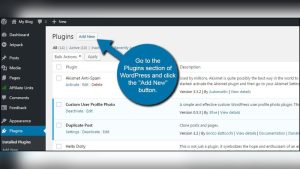
Security plugins are helpful for scanning WordPress websites. They find and remove malware. These plugins keep your site safe. Many plugins are easy to use. They offer regular scans for threats. Some popular plugins include Wordfence and Sucuri. They provide real-time protection. They also block suspicious activity. Installing plugins is simple. Just search in the WordPress plugin directory. Then, click install and activate. Regular updates keep plugins effective. They protect against new threats. Always choose plugins with good reviews. This ensures reliability and trust.
Online malware scanners help check websites. They work without installing anything. These tools scan your site remotely. They find hidden threats and issues. Many scanners are free to use. Examples include VirusTotal and SiteGuarding. They provide detailed reports. These reports show if your site is infected. Scanners are quick and easy to use. Just enter your site’s URL. Then, wait for the scan results. Regular scans help keep your site safe. Use them often to catch malware early. Protecting your site is important. It prevents data loss and other issues.
Credit: blog.sucuri.net
Removing Malicious Code
Checking your website code is important. Look for any strange or unknown code. This code might be hidden in your files. Search for suspicious lines. They often start with words you do not know. Edit or remove these lines carefully. Always keep a backup of your original code. Mistakes can break your site. Check your site again after changes. Make sure everything works fine.
Use tools like Wordfence or Sucuri. These tools help find and remove bad code. They scan your website fast. This saves time and makes it easy. They can fix some issues automatically. Still, always double-check your site after using these tools. You want to make sure your website is safe. Updates keep these tools effective. Always use the latest version.
Securing WordPress
WordPress sites must have all files updated. This includes core files and plugins. Updates often fix security issues. Old files can be dangerous. They might have holes for hackers. Check for updates often. Use the WordPress dashboard. Click “update” when new versions appear. Updates keep your site safe. They also help with better performance.
Use strong passwords for WordPress accounts. Avoid simple words or numbers. Mix letters, numbers, and symbols. Longer passwords are better. Short ones are easier to guess. Change passwords every few months. Do not use the same password for different accounts. A strong password keeps hackers away.
Unused plugins can be risky. They might have security flaws. Delete plugins you don’t use. Each plugin is a possible entry for hackers. Fewer plugins mean fewer risks. Always check which plugins are needed. Keep only the ones that help your site. This makes your website safer and faster.
Credit: www.upwork.com
Enhancing Site Security
A firewall acts like a shield for your website. It blocks harmful traffic. It keeps the bad guys out. Install it easily. Many plugins help. They are user-friendly. Choose one that suits your needs. Protect your site better with a firewall.
Security audits check your website’s safety. They find weak spots. Fix them quickly. Regular checks are important. Many tools help with audits. They are simple to use. Perform audits weekly or monthly. Stay safe from threats.
Two-Factor Authentication adds an extra layer of security. It requires two steps to log in. First, enter your password. Second, verify with a code. This code changes every time. It keeps hackers away. Many plugins offer this feature. Secure your site with two-factor authentication.
Monitoring And Maintenance
A WordPress website infection demands immediate action. Install security plugins to remove malware and threats effectively. Regular updates and backups safeguard your site from future attacks.
Scheduled Scans
Running scans is vital for security. This helps find threats early. Scans should happen often. Weekly or monthly is best. Use tools that check for malware. Some tools are free. Others cost money. Choose one that fits your needs. Scans protect your site from harm. They keep data safe.
Real-time Alerts
Alerts warn you of problems fast. They send messages if something goes wrong. Alerts can be set up easily. Use plugins to help you. Plugins work with WordPress sites. Alerts keep you informed. Respond quickly to alerts. This stops damage from spreading.
Routine Backups
Backups save your site’s data. They are crucial for recovery. Backups should happen regularly. Daily or weekly is ideal. Use reliable backup tools. Some tools store data online. Others keep data offline. Always check your backups. Make sure they work. Backups help rebuild your site if needed.

Credit: jetpack.com
Frequently Asked Questions
How To Detect If My WordPress Site Is Infected?
Use security plugins like Wordfence or Sucuri to scan your website. Look for unusual activities, unexpected files, or changes in website behavior. Regularly monitor your website’s performance and traffic. Stay alert to any warning messages from your hosting provider.
Can I Remove Malware From WordPress Myself?
Yes, you can remove malware manually by identifying and deleting malicious files. Ensure to update themes, plugins, and WordPress core. Use security plugins for assistance. Always back up your site before making changes. For complex cases, consider hiring a professional.
What Tools Help Secure A WordPress Website?
Essential tools include security plugins like Wordfence, Sucuri, and iThemes Security. These provide firewall protection, malware scanning, and login security. Regular backups with plugins like UpdraftPlus are crucial. Always keep plugins, themes, and WordPress updated to the latest versions.
Why Is My WordPress Site Vulnerable To Attacks?
WordPress sites are vulnerable due to outdated software, weak passwords, and insecure plugins. Hackers exploit these vulnerabilities to gain access. Regular updates, strong passwords, and security plugins can mitigate risks. Monitoring your site for suspicious activities also enhances security.
Conclusion
Securing your WordPress site is crucial. Regular backups protect your data. Keep plugins and themes updated. Use strong passwords for all accounts. Install security plugins to monitor threats. If infected, clean your site quickly. Seek professional help if needed. Stay informed about security practices.
Regular checks prevent future infections. Protecting your website ensures smooth operation. Keep your online presence safe and secure. Your audience relies on your site. Keep it trustworthy and reliable. A secure website builds user trust. Act now to secure your WordPress site.