Have you ever wondered about the origins of the plugins that power your WordPress site? Imagine the potential hidden in the oldest plugin for WordPress.
This isn’t just about nostalgia; it’s about understanding the roots that have shaped the robust ecosystem we rely on today. By exploring the oldest plugin, you can gain insights that might transform your approach to building and enhancing your site.
Ready to uncover the secrets of the plugin that started it all? Dive in and discover how this pioneering tool continues to influence the way you craft your digital presence.
Evolution Of WordPress Plugins
WordPress has been around since 2003. The first plugins appeared soon after. They helped users add new features to their sites. Over time, more plugins were created. Each plugin had a unique purpose. Some helped with SEO. Others improved website speed. Users loved the extra control and functionality.
Many plugins today are more advanced. They can handle complex tasks. But the oldest plugins were simple. They laid the groundwork for future developments. Developers learned a lot from them. They kept improving and adding features. This made WordPress even more popular.
The community played a big role. Developers shared ideas and helped each other. This made plugins better over time. WordPress plugins have come a long way. They keep evolving with each update.
Defining A Plugin
A plugin is a tool for WordPress. It adds new features. Think of it like an app for your phone. Plugins help improve your website. They make tasks easier. They are like helpers for your site.
Each plugin has a purpose. Some help with design. Others keep your site safe. Plugins can also boost your site’s speed. There are many plugins available. Some are free. Others cost money. You choose plugins based on needs.
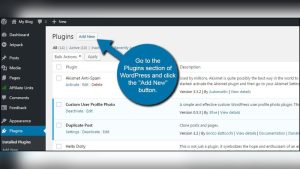
Plugins are easy to install. You find them in the WordPress library. Users can search for plugins there. Many plugins have good reviews. This shows they work well. Always check reviews before using one.
The First WordPress Plugin
WordPress plugins help extend site features. The oldest plugin was created in 2004. It’s called Hello Dolly. This plugin adds famous song lyrics to admin screens. Users see random lines on each page. It’s simple, yet loved by many. Hello Dolly was made by Matt Mullenweg. He is one of WordPress’s creators. The plugin shows WordPress’s humble start. WordPress plugins have grown since then. Now, thousands of plugins exist. They add many functions. Hello Dolly remains a symbol of WordPress history. It reflects the platform’s playful nature. Users can still install it today.
Credit: www.amazon.com
Features Of Early Plugins
Early plugins for WordPress had simple tasks. They added basic features to websites. These plugins improved site performance. They were easy to use. Even beginners could install them. Customization options were limited. Users could change only a few settings.
The interface was very basic. It had only a few buttons. Icons were simple and easy to understand. Users could quickly learn how to use them. There were no complex settings. The focus was on making things simple. This helped users feel comfortable. They did not need much training.
Significance In WordPress Development
The oldest plugin played a big role in WordPress. It helped the platform grow fast. Many developers learned from it. They used its code for making new plugins. This plugin showed how to add features to WordPress. It was a learning tool for many. It helped them understand how WordPress works. Many people still use it today. Its simple design is easy to understand. This makes it a favorite for beginners.
Impact On Platform Growth
This plugin helped WordPress become popular. Many people started using WordPress because of it. The plugin showed what WordPress could do. It added new features to websites. People loved how easy it was. It made WordPress the top choice for websites. The plugin also helped form a big community. People shared ideas and helped each other. This community helped WordPress grow even more.
Community Contributions
The plugin inspired a lot of people. Many made their own plugins after using it. This led to thousands of plugins available now. The community keeps growing each day. They share new ideas and help each other. The plugin started this trend of sharing. It’s a big reason why WordPress is so popular. People love how they can add new features easily. The community is always there to help with any issue.
Legacy Of The Oldest Plugin
The oldest plugin for WordPress is still important today. It has shaped how plugins work. This plugin is a pioneer in its field. Many new plugins borrow ideas from it. It has stood the test of time. Developers respect its design. It shows how simple ideas can last long.
Even after many years, this plugin is still used. It solves problems that sites face every day. Its tools are basic but effective. Many sites rely on it for smooth operation. It proves that good design lasts forever. Users trust its stability and ease of use.
This plugin has influenced many new plugins. Developers study its structure. They learn from its success. It sets a standard for plugin design. New plugins often follow its path. Its features inspire new solutions. It has paved the way for innovation.
Challenges Of Early Plugin Development
Technical Limitations made early plugin development hard. Developers faced issues with compatibility and performance. WordPress was new and lacked advanced features. Plugins had to work with basic code structures. Limited resources meant fewer tools for developers. Debugging was tough without modern software tools.
Many plugins caused sites to slow down or crash. Developers had to be very careful. Simple mistakes could break a site. They had to balance features with speed. This was tricky with early WordPress versions.
Adoption Hurdles were another problem. Users were unsure about plugins. Many didn’t trust them. Some thought plugins might harm their sites. People feared losing control over their site’s design. There was also a lack of documentation and support. Users struggled to understand how plugins worked. This discouraged many from using them.
Comparison With Modern Plugins
Old plugins have simple features. Modern plugins have advanced technology. Developers now use AI and machine learning. These tools make plugins smarter. Old plugins lack these tools. Modern plugins are faster. They use less memory. This helps websites load quickly. Security is better now. Old plugins had basic security. Modern plugins have strong protection. They block threats effectively.
User expectations have changed. People want easy-to-use plugins. They prefer plugins with simple interfaces. Old plugins were harder to use. Users want plugins that solve problems quickly. They expect regular updates. Old plugins had fewer updates. Modern plugins get frequent improvements. This keeps them relevant. Users also want responsive support. They need help when things go wrong.
Lessons From The First Plugin
The oldest plugin for WordPress shows how ideas grow. Developers made something new. They saw a need and acted. This plugin became a foundation. It taught others about creativity. Simple ideas can change things. Innovation starts small. This plugin was the beginning. It opened doors for future tools.
The first plugin showed how to last. It was built to stay strong. Developers cared for it over time. Updates kept it fresh. They fixed bugs to keep users happy. Sustainability matters in tech. The plugin taught us to think long term. Changes need care and attention. Good practices help things last.
Credit: theme4press.com

Credit: www.youtube.com
Frequently Asked Questions
What Is The Oldest WordPress Plugin?
The oldest WordPress plugin is Hello Dolly. It was included by Matt Mullenweg in the first version of WordPress. Hello Dolly adds lyrics from the song “Hello, Dolly!” To your admin dashboard. While it doesn’t serve a functional purpose, it’s cherished for its nostalgic value.
Why Is Hello Dolly Included In WordPress?
Hello Dolly is included for historical reasons. It was created by WordPress co-founder Matt Mullenweg. It represents the early days of WordPress development. The plugin displays lines from the song “Hello, Dolly!” In the dashboard, adding a touch of whimsy and nostalgia.
Does Hello Dolly Affect Website Performance?
Hello Dolly does not affect website performance. It is a simple plugin that only adds text to the admin dashboard. It does not interact with your website’s frontend. Its minimal code ensures it does not slow down your site or affect its functionality.
Can Hello Dolly Be Safely Removed?
Yes, Hello Dolly can be safely removed. If you prefer a cleaner dashboard, you can deactivate and delete it. Removing the plugin does not affect your website’s functionality. It’s purely cosmetic, allowing you to customize your admin area as desired.
Conclusion
Exploring the oldest WordPress plugin reveals the platform’s rich history. These early tools laid the foundation for today’s advanced plugins. Understanding their origins helps appreciate current innovations. Older plugins show how WordPress evolved over time. They highlight the dedication of early developers.
This journey through WordPress history is enlightening. It teaches us about growth and adaptation in technology. For WordPress enthusiasts, knowing the oldest plugins enriches their knowledge. It connects them to the roots of this powerful platform. As WordPress continues to grow, its history remains essential.
A testament to the community’s creativity and commitment.