Have you ever wondered how WordPress manages your emails? Whether you’re setting up a new blog or managing an existing site, understanding how WordPress handles email can be a game changer.
You might be searching for ways to enhance communication with your audience or ensure your notifications are reaching the right inbox. Whatever the reason, knowing the code behind WordPress email functionality is crucial. Imagine having the power to customize, optimize, and troubleshoot your email system without relying solely on plugins or third-party services.
By the end of this article, you’ll uncover the secrets of WordPress email code, empowering you to make smarter decisions for your website’s communication strategy. Dive in to discover how a few lines of code can transform your email experience, turning it from ordinary to extraordinary.
WordPress Email Basics
WordPress can send emails to users. It uses a function named wp_mail(). This function helps in sending emails easily. You can find it in WordPress core files. It’s important to understand its parameters. The main ones are to, subject, and message. These help in crafting your email.
The to parameter is the recipient‘s email address. The subject is the email’s topic. The message is the content inside the email. Sometimes, you might want to add headers or attachments. You can do this with extra parameters. It’s important to test emails before sending them to many people. This ensures everything works well.
Credit: nustart.solutions
Php Mail Function
The PHP mail function sends emails from WordPress. It is simple and quick to use. This function requires several parameters. These parameters include the recipient’s email, subject, message, and headers. The PHP mail function looks like this: mail($to, $subject, $message, $headers);. Ensure that the web server is configured correctly. Otherwise, the email might not send. Many websites use this function to notify users. It is a basic yet essential tool for communication. Use it carefully to avoid errors in sending.
WordPress Wp_mail Function
The wp_mail function helps send emails in WordPress. It’s easy to use. This function is like the PHP mail function. It sends emails with attachments too. You need three main things: the email address, subject, and message. The to parameter is for the email address. The subject tells what the email is about. The message is the email’s text. You can add more things with headers. Headers help in adding extra information.
Using wp_mail is simple. Make sure your server allows emails. Some servers block email sending. Always test your email function. It helps to know if it works. Sending emails is important for websites. It helps in communication. Use this function for sending alerts or updates. It’s handy for reaching out to users.
Setting Up Email Parameters
Recipient Details are crucial for sending emails. You need an email address. This tells where the email will go. Make sure the address is correct. Wrong address means failed delivery.
Subject Line gives the email a title. It shows what the email is about. Keep it short and clear. Readers decide to open emails based on the subject. Interesting subjects get more clicks.
Message Body contains the main text. This is where you write your message. Keep it simple. Use short sentences. Easy words help readers understand. Make your point clear.
Headers and Attachments add details to your email. Headers show who sent the email. They also show the date and time. Attachments are files sent with the email. They can be pictures or documents. Always check attachments before sending.
Customizing Email Content
Emails can be in HTML or plain text. HTML emails look fancy. They have colors and images. Plain text emails are simple. They have only text. HTML emails are good for design. Plain text is easy to read. Some people prefer plain text. Others like HTML.
Templates help make emails look the same. They save time. You set them up once. Use them many times. Templates have a pattern. They keep things neat. You can change them. Add your own words. Templates make emails quick and easy. Many people use them.
Credit: creativeminds.helpscoutdocs.com
Smtp Configuration
Setting up SMTP in WordPress helps send emails. It makes sure emails are delivered properly. Use a plugin like WP Mail SMTP. Install the plugin and activate it. Find the plugin settings in WordPress dashboard.
Enter your SMTP details in the settings. You need your SMTP host, port, and username. Also, enter your password carefully. Choose the right encryption method. Usually, it is SSL or TLS.
Test your setup by sending a test email. Make sure it works correctly. If the email does not send, check settings again. Sometimes, a wrong detail stops emails. Correct setup makes sure emails reach inbox. This is important for website communication.
Troubleshooting Email Issues
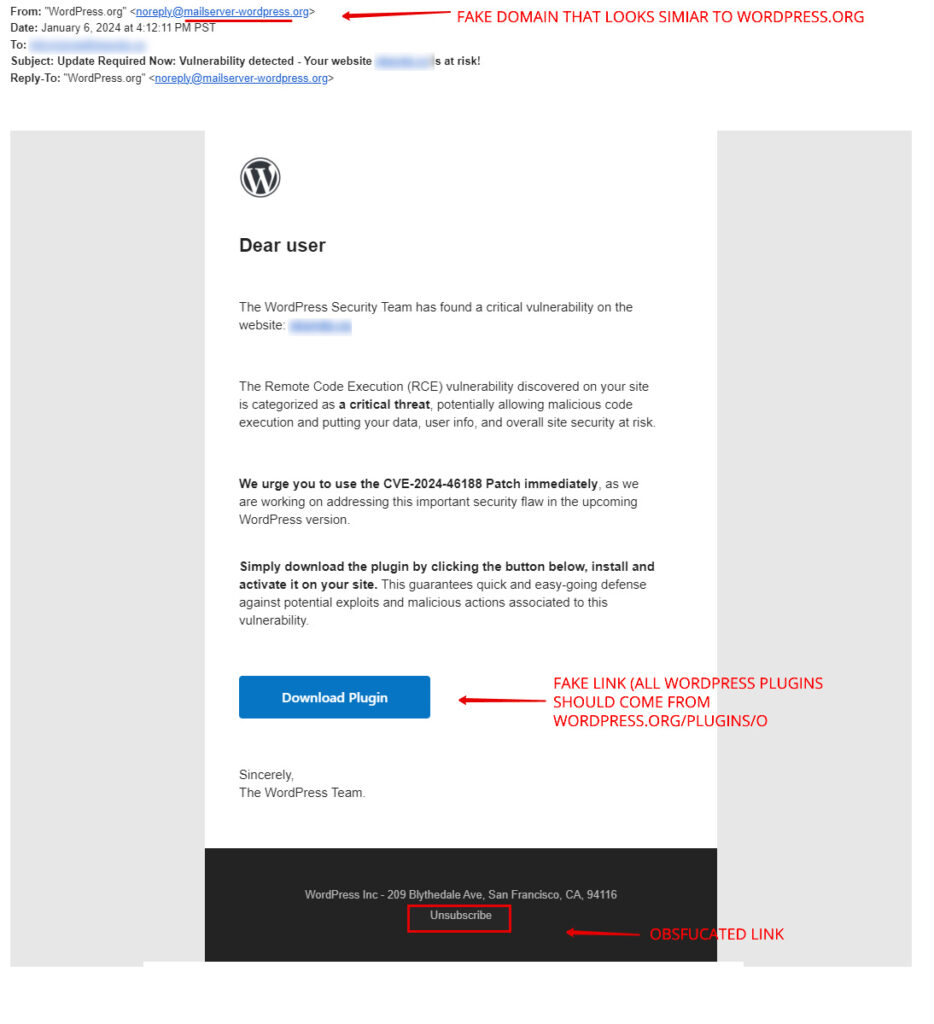
WordPress email problems are common. Emails might not send. Or they end up in spam. Reasons vary. Plugin conflicts often cause issues. Server settings might be incorrect. Or email functions are disabled. SMTP plugins can help fix this. They send emails through a separate server. This improves delivery. Check your email logs. They show failed attempts. Understand the error messages. Fix them quickly.
Debugging is key. Start with simple checks. Verify your email settings. Look for typos. Check the server connection. Use WP Mail Logging plugin. It tracks email activity. See if emails are sent. Check plugin compatibility. Some plugins clash. Disable them one by one. Find the culprit. Use SMTP settings for reliable delivery. They bypass server restrictions. Test your email functions. Ensure they work smoothly. Troubleshooting takes time. Be patient.
Popular Email Plugins
Email plugins make sending emails easy. They save you time. You can send many emails with one click. They help manage email lists. Some plugins offer customizable templates. This makes emails look nice. They also provide analytics. You can see who reads your emails. This helps improve your email strategy. Plugins support automation. Emails go out at the right time. This keeps users engaged.
First, go to the WordPress dashboard. Click on “Plugins“. Then, click “Add New“. Type the name of the email plugin you want. Press “Install Now“. Wait for it to download. After that, click “Activate“. The plugin is ready to use. You can now configure it. Follow the setup steps provided by the plugin.
Security Considerations
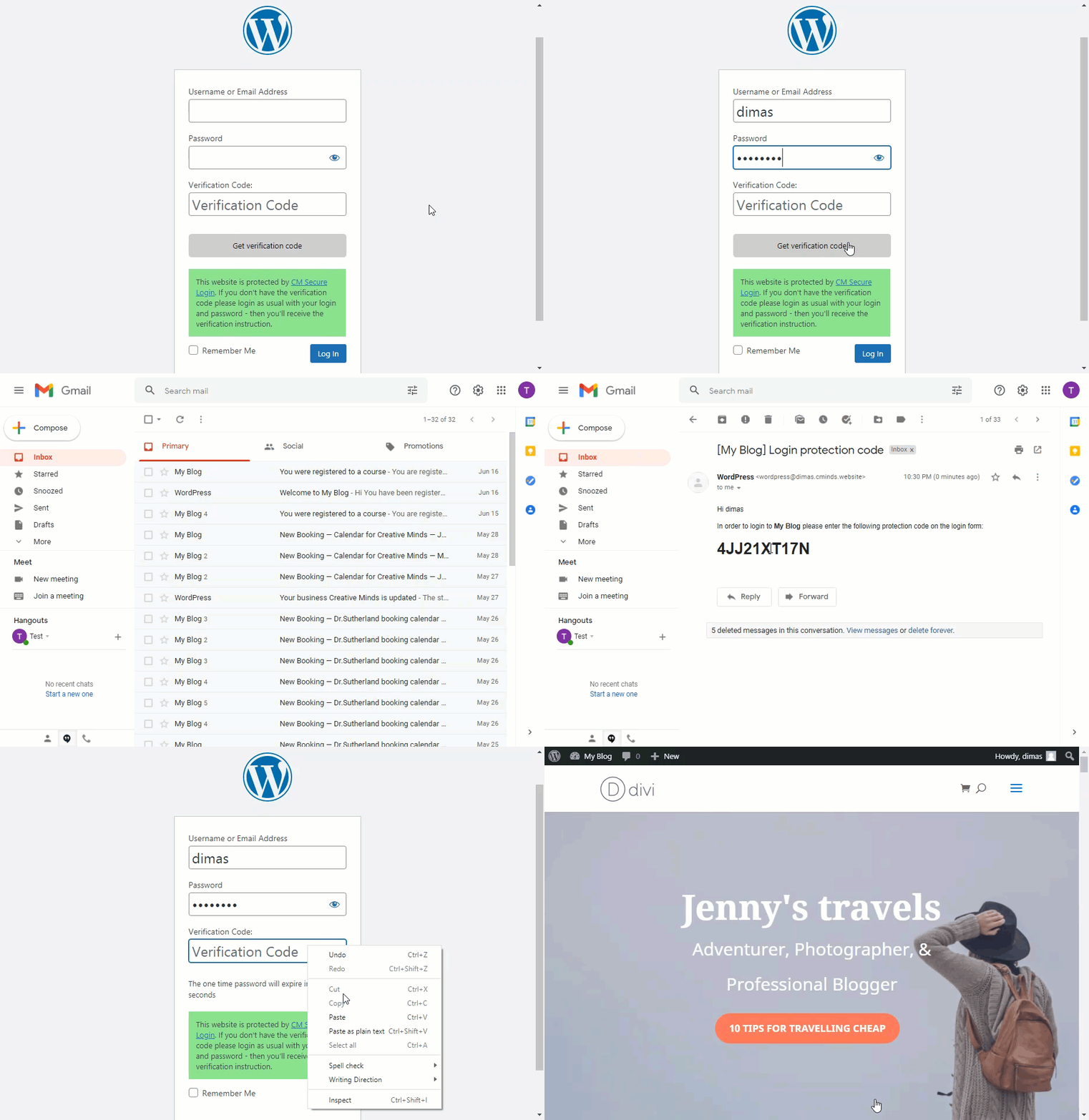
Spam emails can be a big problem. WordPress offers tools to stop spam. Use plugins like Akismet or Antispam Bee. They help keep your inbox clean. A simple code can block spam. Add it to your site. Spammers use bots to send emails. CAPTCHA can stop bots easily. Make sure your forms have CAPTCHA.
Protecting your email data is important. Use encryption to keep it safe. SSL certificates are helpful. They add a layer of security. HTTPS is another way to secure data. It encrypts information sent between server and browser. Make sure your site uses HTTPS. Encrypt sensitive data before sending. This keeps it safe from hackers.
Credit: formidableforms.com
Frequently Asked Questions
How Do I Send Emails In WordPress?
To send emails in WordPress, you can use the `wp_mail()` function. This function allows you to send emails from your WordPress site. Ensure your server supports email sending. You might also consider using plugins like WP Mail SMTP for improved deliverability.
What Is Wp_mail() Function In WordPress?
The `wp_mail()` function is the built-in WordPress function for sending emails. It simplifies email dispatching in WordPress. You can customize the sender, recipient, subject, and message. It’s widely used for contact forms and notifications.
How Can I Improve Email Deliverability In WordPress?
Improving email deliverability involves configuring SMTP settings. Use plugins like WP Mail SMTP to connect to reliable SMTP servers. This ensures better email delivery rates. Authenticating your emails with SPF and DKIM can also help.
Can I Customize Email Headers In WordPress?
Yes, you can customize email headers using the `wp_mail()` function. This allows you to set custom “From” names and addresses. Custom headers can improve your email’s professional appearance. Ensure your headers comply with email standards.
Conclusion
Mastering email code in WordPress is straightforward. With the right tools, you can manage email effortlessly. First, understand the basics of email code integration. It helps in customizing email functions. You can then enhance user interaction on your site. Explore plugins for additional features.
They simplify email management. Remember, practice makes perfect. Regular updates keep your email functions smooth. Stay informed about new WordPress features. This ensures efficient email handling. Your site’s communication improves greatly. Lastly, enjoy the benefits of seamless email integration. It’s all about enhancing user experience.
Keep learning, keep growing.