Are you struggling to find the perfect size for your WordPress featured images? You’re not alone.
In the digital world, where first impressions matter immensely, the size of your featured image can make or break your website’s appeal. Choosing the right dimensions isn’t just about aesthetics; it’s about optimizing loading times, enhancing user experience, and boosting your SEO efforts.
With so many size options available, it’s easy to feel overwhelmed and unsure of where to start. But don’t worry—you’re about to uncover the secrets to selecting the best size for your WordPress featured images. Keep reading to ensure your website stands out, engages visitors, and performs at its best.

Credit: marketingwithwp.com
Importance Of Featured Images
Featured images grab attention fast. They are the first thing people see. These images make your blog look attractive. A clear and high-quality image is crucial. It can make people want to read more. Images also help with SEO. Search engines love images. They can help your post rank better. But the size of the image matters. A small image might look blurry. A big one can slow down your site. This is why size is important. Choose the right size for your images. It makes your blog look professional and neat.
Standard Image Dimensions
WordPress featured images are important. They make your posts look good. The best size is usually 1200 x 628 pixels. This size looks great on most screens. It fits well on desktops and phones.
Smaller images may not look clear. Larger ones can slow your site. Always keep file size low. JPEG format is a good choice. It balances quality and size.
Remember, a good image grabs attention. Make sure it matches your content. A bright and clear image is best.
Impact On Website Performance
Choosing the right size for WordPress featured images can significantly affect website performance. Optimal image dimensions ensure faster loading times and enhance user experience. Aim for 1200 x 628 pixels to balance quality and speed, keeping your site efficient and visually appealing.
Loading Speed
Choosing the right image size affects your site’s speed. Large images take longer to load. This can slow down your website. Visitors might leave if loading is slow. Fast loading keeps them happy. Featured images should be small but clear. A good size is around 1200 x 628 pixels. This size is often recommended. It balances quality and speed. Smaller files help your site run smoothly. Compress images to reduce file size. Many tools can do this. Remember, faster sites get more visits. They rank better in search engines.
Seo Considerations
Image size impacts SEO too. Fast-loading pages rank higher. Search engines like Google prefer quick sites. Smaller images help achieve this. Alt text is also important. It describes the image to search engines. Use keywords in alt text. This boosts your site’s visibility. Descriptive text helps people find your site. Keep images relevant to your content. This improves user experience. Well-optimized images attract more visitors. They enhance your site’s performance. Choose wisely for better SEO results.

Credit: snappa.com
Responsive Design Needs
WordPress images should load fast on phones. Small images work best for mobile. A size of 600×315 pixels fits well. It keeps the image clear and sharp. Large images can slow down loading. Small images save data and time.
Images need to look good on all devices. A 1200×628 pixel image works well. This size fits laptops and tablets too. It makes sure the image is clear on big screens. Consistency keeps the website looking neat. Images should resize automatically. This helps with a smooth user experience.
Choosing The Right Aspect Ratio
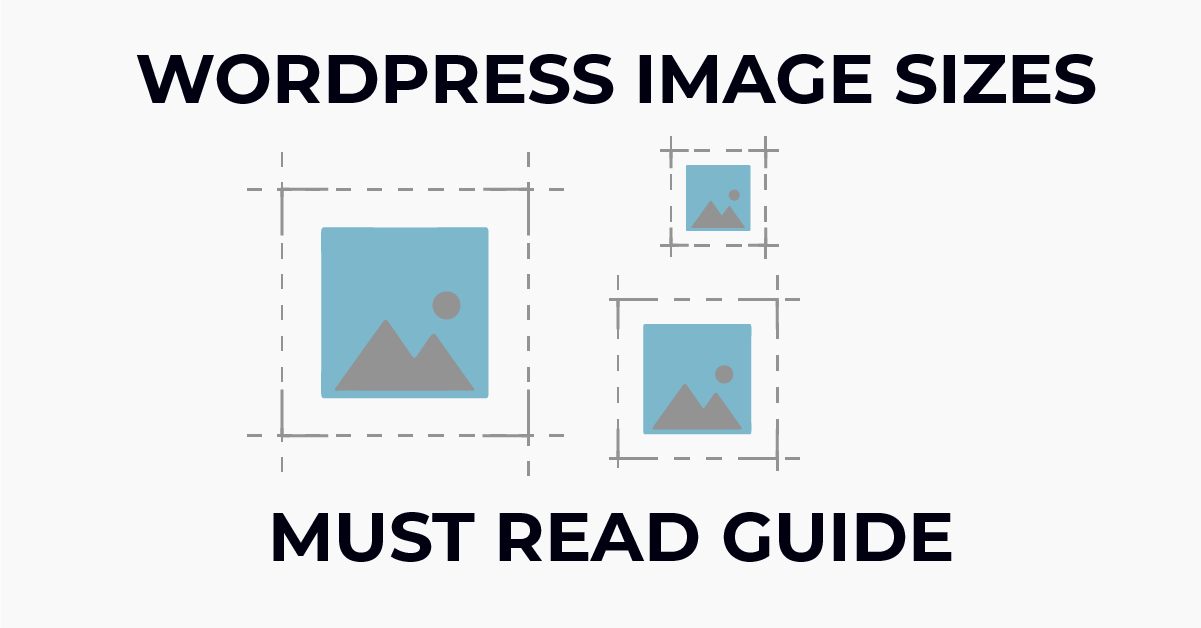
Selecting the correct aspect ratio is key for a featured image. Images with a proper ratio look better. They fit well on the page. The most common ratio is 16:9. This ratio works for most themes. It is also used for videos and TVs.
Another popular ratio is 4:3. It is more square than 16:9. This ratio suits older screens. Some themes need a square ratio. This is a 1:1 ratio. Images are equal in width and height. Always check your theme’s requirements before choosing.
Credit: enginescout.com.au
Tools For Image Resizing
Many online tools help resize images easily. They are simple to use. Upload your image and choose the new size. Some popular tools are Canva and PicResize. They offer free versions. These tools work in browsers. So, no need to install software. Most tools support common image formats. JPG, PNG, and GIF are widely used. You can also crop, rotate, or compress images. This helps manage space. Keep your images sharp and clear.
WordPress offers many plugins for image resizing. These plugins integrate with your site. They resize images automatically. Some popular plugins are Smush and Imsanity. They help with bulk resizing. You can set maximum dimensions for images. Plugins save time and effort. They also optimize images for faster loading. Better site performance is crucial. Ensure your images fit well on your pages.
Best Practices For Image Quality
Choose the right file format for your images. JPEG is great for photos. PNG works well for graphics. Both formats keep images clear. Avoid using heavy formats like TIFF. They slow down your site. Smaller formats load faster.
Image compression reduces file size. This helps pages load quickly. Use tools to compress images. Online tools make compression easy. TinyPNG and JPEGmini are popular. They keep images sharp. Avoid over-compression. It can blur details. Proper compression keeps quality high.
Common Mistakes To Avoid
Choosing the wrong WordPress featured image size can lead to slow loading times and pixelated images. Stick to a 1200 x 628 pixels dimension for optimal clarity and performance. Ensure images are resized and compressed for faster website speed and better user experience.
Using Incorrect Image Dimensions
Many make the mistake of using wrong image sizes. This can slow down your website. Always check recommended image sizes for your theme. A good size keeps your site fast and looking sharp.
Ignoring Image Quality
Some use low-quality images. This makes your site look bad. High-quality images catch the eye. But keep the file size small. This helps with loading speed.
Not Naming Images Properly
Many people upload images with random names. It’s important to use descriptive names. This helps search engines understand your images. It improves your site’s SEO.
Skipping Alt Text
Alt text is crucial for accessibility. It describes the image to users who can’t see it. Always add clear alt text for each image. This helps everyone understand your content.
Case Studies And Examples
Small images load quickly. Big images look sharp. Experts suggest 1200 x 628 pixels for featured images. This size works well for social media shares. It keeps your website looking great. Tests show this size attracts more clicks. More clicks mean more visitors. Some websites use 600 x 300 pixels. This size is smaller. It loads faster on mobile phones. Always check your theme settings. Themes may prefer different sizes. Adjust image size based on theme. This ensures perfect display.
Frequently Asked Questions
What Is The Ideal WordPress Featured Image Size?
The ideal WordPress featured image size is 1200 x 628 pixels. This size ensures your image looks sharp and clear. It’s also optimized for social media sharing. Keeping your images at this resolution helps maintain a professional appearance across different devices.
Why Does Image Size Matter In WordPress?
Image size affects loading speed and aesthetics. Large images can slow down your site, affecting user experience. Properly sized images enhance the visual appeal and maintain fast loading times. Ensuring the right size helps in achieving a balance between performance and appearance.
How Can I Resize Images For WordPress?
You can use online tools or software like Photoshop to resize images. Alternatively, WordPress plugins can automate this process. Ensuring your images are the correct size before uploading helps maintain quality and performance. Always check your images after resizing for any quality loss.
Does WordPress Automatically Resize Featured Images?
Yes, WordPress can automatically resize images using built-in functions. However, manual resizing ensures better quality control. It’s recommended to manually resize for precision. Using the right dimensions before upload ensures consistency and maintains image quality across your site.
Conclusion
Choosing the right size for your WordPress featured image matters. It helps your site look good and load fast. The ideal size balances quality and speed. A common choice is 1200 x 628 pixels. This size works well on most devices.
It keeps your images sharp and clear. Always check your theme’s requirements. Some themes need specific dimensions. Test different sizes to see what looks best. Keep your audience in mind. Their experience on your site is important. A good featured image enhances your content.
It draws attention and keeps visitors engaged.